
Last updated November 16, 2026
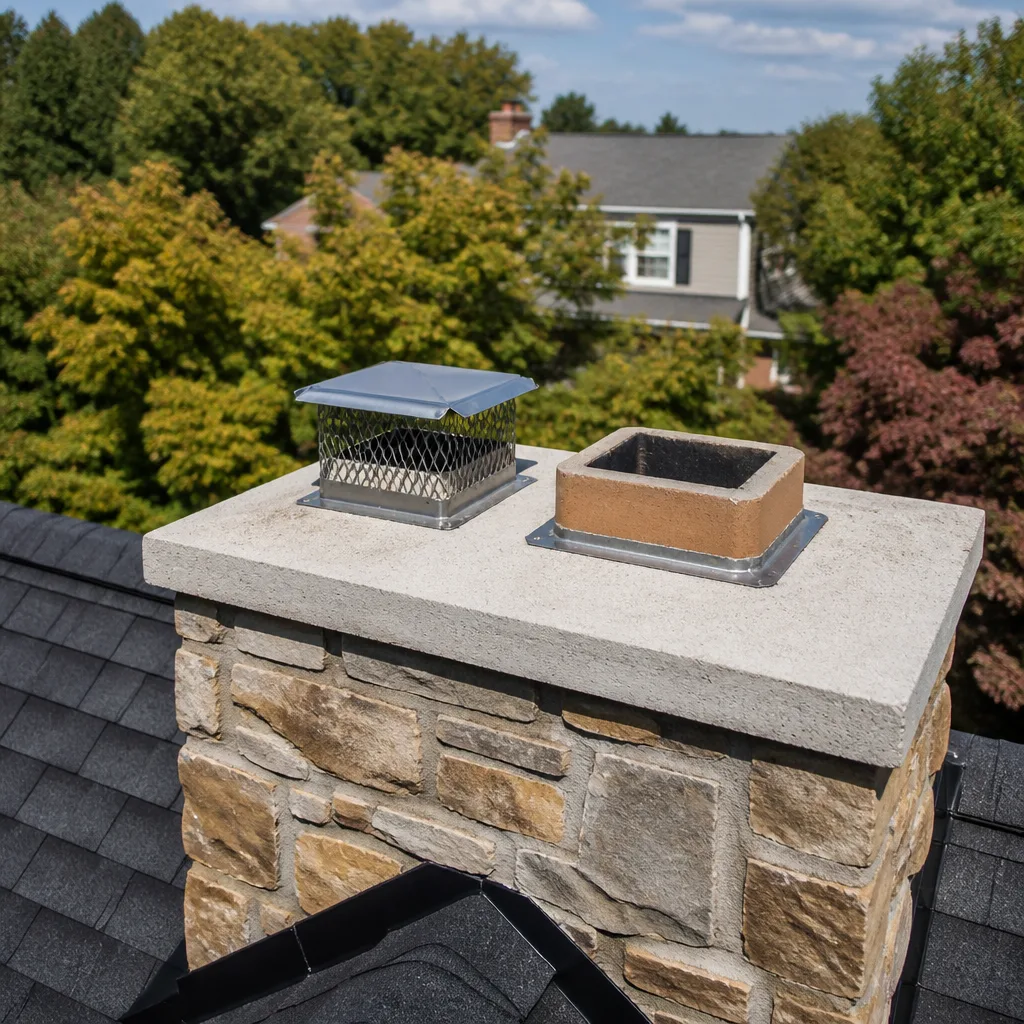 Sweep & inspection
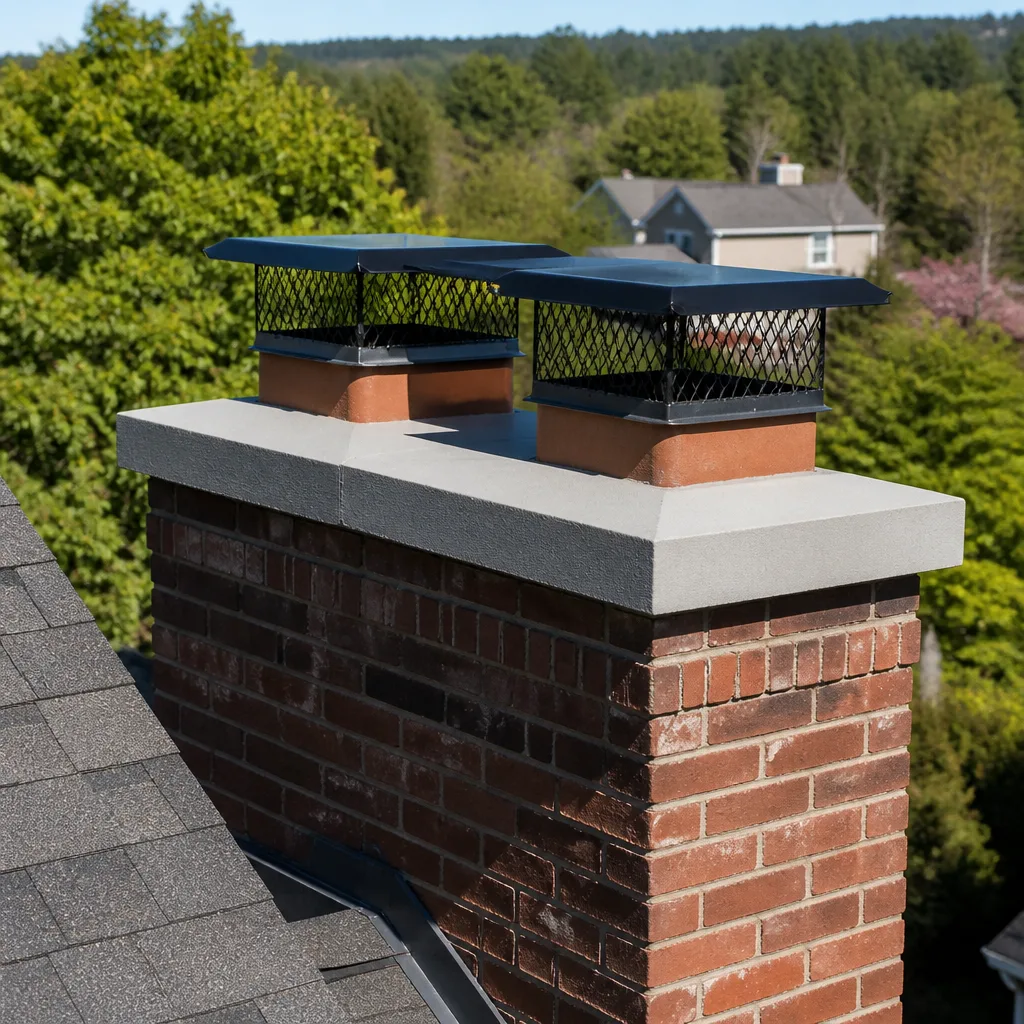 Caps & crowns
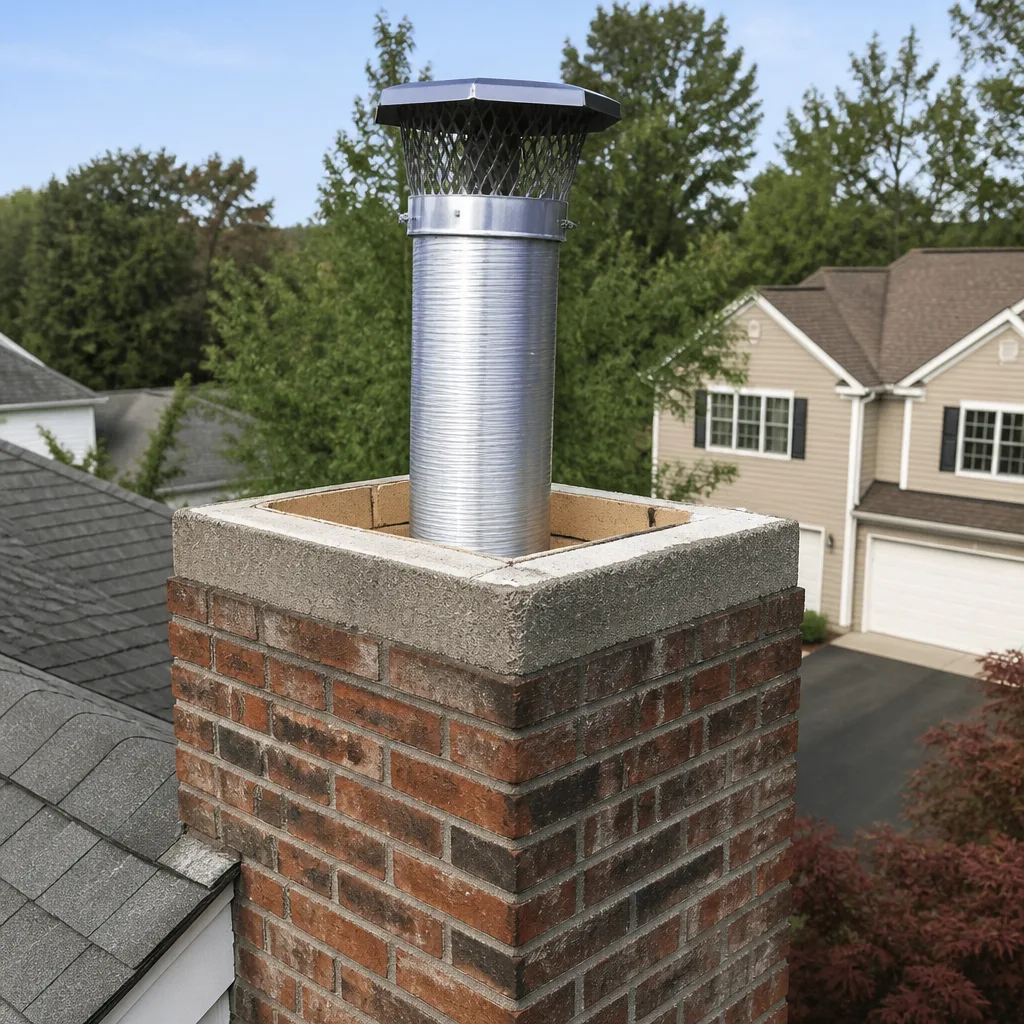 Flue relining
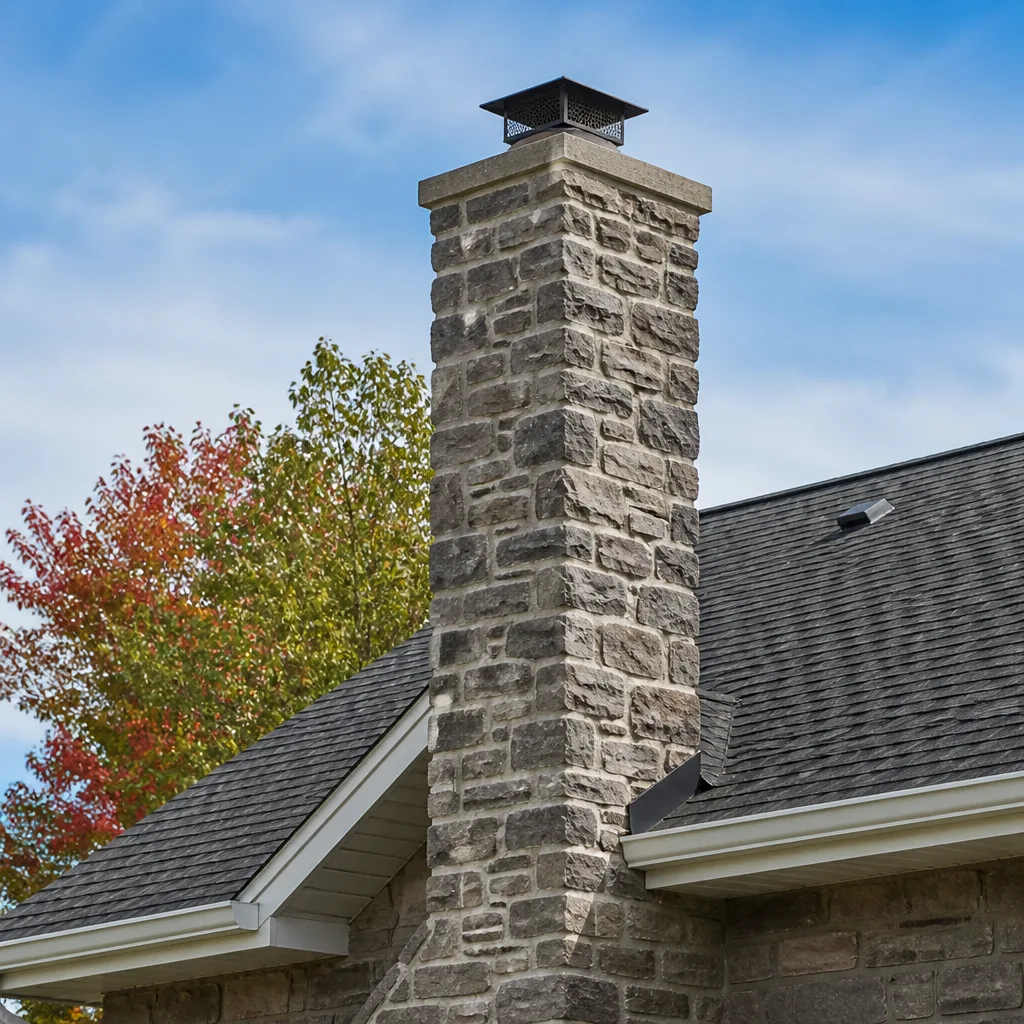 Masonry repair
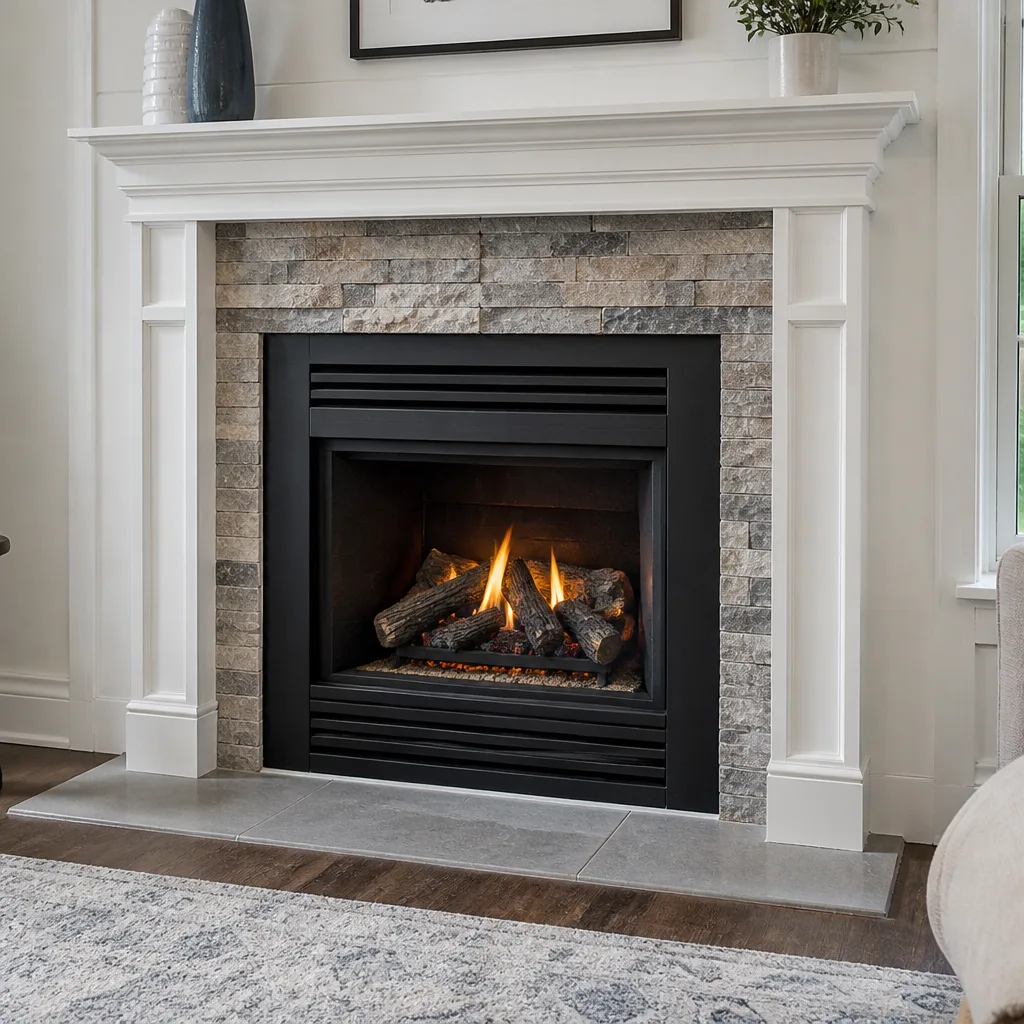 Gas fireplace service
Level 1 sweep and inspection to the NFPA 211 annual standard - flue, crown, cap, and flashing checked and photographed
Chimney sweep logs do not sweep chimneys. They loosen some creosote - which then falls where a brush and vacuum still have to collect it.
How to Hire a Chimney Cleaning Contractor in Tracy: A Step-by-Step Guide
Most homeowners assume the person sweeping their chimney has been vetted by somebody. In California, that assumption is thin. The state doesn’t issue a chimney-specific contractor’s license, so the person quoting you a liner replacement may have passed zero industry competency exams. That’s not meant to scare you. It’s meant to explain why this particular hiring decision needs a process, not a vibe. The good news is that the credentials, insurance, and scope-of-work details that separate a real chimney professional from an inspection-to-upsell operation are all things you can check before anyone climbs on your roof in Tracy. This guide walks you through exactly what to look for, what to ask, and what a legitimate quote should contain.
Quick Answer
To hire a chimney cleaning contractor in Tracy, verify three things before you book: a current CSIA Certified Chimney Sweep credential, a current certificate of insurance that specifically lists chimney work, and a written scope of work that separates the sweep from any recommended repairs. Then ask how the company handles inspection findings and whether you’ll receive photo evidence of anything it recommends. A contractor who leads with those details is usually a contractor who isn’t designing the visit around an upsell.
Styles & brands we work with
- Sweep & inspection
- Caps & crowns
- Flue relining
- Masonry repair
- Gas fireplace service
Table of Contents
- Why Hiring a Chimney Contractor in Tracy Is Different
- The Three Credentials That Actually Matter
- Five Questions to Ask Before You Schedule
- What a Legitimate Written Scope of Work Looks Like
- How to Read an Upsell-Heavy Quote
- Common Mistakes to Avoid
- When to Call a Professional
- Frequently Asked Questions
Why Hiring a Chimney Contractor in Tracy Is Different
Tracy sits in the northern San Joaquin Valley, where winters are mild and summer heat is long. That combination changes how chimneys are used and how they fail. Fireplaces in Tracy often sit dormant for months, then get worked hard during the cooler stretch when homeowners finally light a fire. Wood-burning fireplaces and older appliances build up creosote in pulses, not evenly, and a chimney that went two or three seasons without attention can hold a surprising amount of it.
Mild winters also mean smoke and draft problems often get blamed on the wrong thing. A homeowner notices a little smoke spill into the room in December and assumes the chimney needs rebuilding. In our experience, it’s often a sweeping issue, a flue sizing issue, or a cap that’s damaged. That’s why hiring someone who cleans first and diagnoses honestly matters more here than in a market where every chimney sees constant winter use.
The other factor is market structure. Tracy is a commuter town. Many homeowners moved here from the Bay Area and bought a home with a fireplace that the previous owners never serviced. First-time fireplace owners in Tracy commonly call for a wash-and-check when what they actually need is a full inspection with a camera report, especially on anything built before tighter flue standards were common. Hiring the right contractor for the first visit saves you from learning that lesson twice.
The trade also has almost no visible quality signals from the street. A landscaper’s truck full of equipment is evidence. A chimney contractor shows up with a vacuum and a bag of brushes, which looks the same whether the person holding them has certifications or not. When those surface signals are missing, you check the paper ones.
The Three Credentials That Actually Matter
California doesn’t require a chimney-specific contractor’s license, so the credential conversation shifts almost entirely to industry certifications and insurance. Three items carry real weight: CSIA certification, NFI credentialing, and proof of insurance that covers chimney work specifically. Each addresses a different scope.
1. CSIA Certified Chimney Sweep
The Chimney Safety Institute of America runs a certification that requires passing an examination and staying current through continuing education. When a company states it has a CSIA Certified Chimney Sweep on staff, that’s a credential you can look up. It covers sweeping practice and inspection fundamentals. For a routine chimney sweep in Tracy, CSIA certification is the baseline signal that the person on your roof knows the difference between a checked flue and a hazardous one.
2. NFI Credentialing
The National Fireplace Institute certifies technicians in specific fuel categories: wood, gas, and pellet. NFI matters most when the work involves a gas insert, a pellet appliance, or anything requiring gas line knowledge. If you have a gas fireplace in Tracy and no wood-burning component, asking whether the technician holds an NFI Gas credential for the work is a fair and revealing question. A contractor who can’t answer it is telling you something.
3. Insurance That Covers Chimney Work
A general liability certificate from an unverified source means less than it looks like it means. Ask for the certificate of insurance and read the description of operations. It should name chimney sweeping, chimney inspection, and chimney repair as covered scopes. A certificate that describes only “general handyman services” or “property maintenance” is a flag, not a credential. Roof access carries fall risk, and a sweeping job involves equipment on your roof and inside your living space. Insurance should match the trade.
What We Use
Our technicians have up to experience, and our repair work specifies professional-grade components from brands chimney contractors ask for by name: Famco flashing systems and Copperfield components. For flue restoration, we work with DuraFlex flexible stainless liner systems and HeatShield ceramic resurfacing. The point isn’t a brand sticker. It’s that the parts are the ones a knowledgeable contractor would specify, not whatever was closest on the shelf.
Five Questions to Ask Before You Schedule
These five questions reveal how a company is structured before you’ve paid for anything. Ask them on the phone. The answers are often more useful than anything you’ll find in an online review.
- Who will actually be at my house, and what certification do they hold? Ask for the name of the CSIA or NFI credential the person will carry. A company that can answer clearly is a company that keeps certifications current.
- Is the sweep and the inspection one price, or two? A legitimate quote separates cleaning from inspection and tells you what each covers. If the two are bundled into a price that only makes sense after a repair recommendation, ask why.
- How do you deliver inspection results? A camera inspection with a photo report you can see is the standard you want. If the answer is a verbal “you need a liner” without photos, that’s your signal.
- What happens if you find a problem? The right answer involves a written scope of work with options, not a same-day pressure close on the roof.
- Are you sending a separate crew for repairs? One visit covering sweep, inspect, and repair through a single contractor keeps findings tied to the person who found them.
None of these questions require you to know chimney jargon. They’re structural questions. How a company is set up determines what it’s incentivized to find, and the structure shows in how it answers.
What a Legitimate Written Scope of Work Looks Like
Before any contractor touches your chimney, you should have paper in hand describing exactly what will happen. It doesn’t need to be long. It needs to be specific. A proper scope of work in Tracy should include six things.
- The scope of the sweep. Which flue or flues will be cleaned, what tool method is being used, and what protection will be laid inside the home.
- The inspection method. Level 1, 2, or 3 inspection, as defined by industry standards, and whether a camera will be used.
- Deliverables. A photo report of findings, and a written condition report noting what was found and what’s overdue.
- Recommended repairs, graduated by urgency. Work that must happen now versus work that can safely wait a season should be listed separately. This is the single clearest signal of an honest contractor.
- The materials being specified. A liner replacement should name the product, not the category. “A stainless liner” is not a scope; “DuraFlex flexible stainless, sized to the flue and appliance” is.
- The estimate. A per-job price with the understanding that the written estimate sets the final number.
A contractor who won’t put these on paper is asking you to trust a verbal quote on a service you can’t easily verify afterward. That includes chimney chimney repair recommendations. If the scope is written properly, you can compare it to another quote on the same terms and see where the difference lies.
How to Read an Upsell-Heavy Quote
The lowest quote you receive is frequently not the lowest job. A diagnostic-fee-first structure works like this: a low upfront number gets the company in the door, then an inspection finds a “pressing problem,” then a repair quote a multiple of the initial price follows. That structure isn’t automatically dishonest, but it puts pressure on the inspection findings, which is exactly where a homeowner has the least ability to verify anything.
Here’s how to spot the structure. Watch for a sweep price that’s well below the local market, or a “free inspection” paired with heavy scheduling pressure. Watch for a technician who won’t put a finding in writing until after a verbal conversation. Watch for a liner recommendation that comes with no camera evidence attached, and for a quote that bundles a sweep and a repair into one number so you can’t see what each costs. Watch for a recommendation to replace rather than repair when the contractor won’t say which parts of the flue are actually compromised.
The antidote is the same set of questions every time: What did you find, where did you find it, can I see the photo, and what happens if I wait one season? An honest contractor answers all four. That’s the standard we hold ourselves to in every Chimney Sweep Tracy job: we tell you what we found, not what grows the invoice. If liner work is genuinely needed, we explain why the flue calls for it, and if resurfacing can restore the flue instead of full relining, we say so.
Common Mistakes to Avoid
- Hiring on price alone. The lowest number in Tracy is usually a diagnostic fee designed to generate repair revenue. Compare scope, not sticker price. A quote that doesn’t specify what’s being cleaned and inspected isn’t a real quote.
- Skipping the insurance check. A general liability certificate that doesn’t name chimney sweeping, inspection, and repair is not coverage for the work being done. Ask to see the description of operations before anyone climbs on your roof.
- Accepting a verbal repair recommendation. Anything that costs more than the sweep itself should come with photos and a written scope. If you can’t see the problem, you can’t verify the solution.
- Assuming a gas insert doesn’t need servicing. A gas fireplace with a properly functioning flue still needs the venting checked, and NFI-credentialed technicians are the ones trained to service them. Don’t apply wood-burning assumptions to a gas appliance, or vice versa.
- Waiting until the first cold snap. In Tracy, the cooler months bring a rush of first-fire calls. Book a sweep and inspection before the season turns, and you’ll have time to make repair decisions without weather pressure.
- Not asking whether sweep and repair are handled by the same company. If the sweep finds the problem and a separate crew with a separate inspection handles the repair, findings get lost in translation. One contractor through the whole job keeps accountability in one pair of hands.
- Treating certification as a checkbox. Ask for the specific CSIA or NFI credential and what it covers. A certification that doesn’t match the work being done doesn’t help you.
When to Call a Professional
There are clear signals it’s time to book a professional rather than wait. Any visible creosote buildup inside the firebox, smoke rolling back into the room when you light a fire, a persistent smoky smell when the fireplace is cold, a visible crack in the flue or firebox masonry, or a chimney cap that’s been damaged. If you’ve moved into a Tracy home and don’t know when the chimney was last serviced, book an inspection first. If a chimney has gone more than a season without a sweep, the creosote may already be beyond what a brush can safely address. If you smell gas near a gas insert, stop using the appliance and have it looked at before anything else. Chimney Sweep Tracy offers free estimates in Tracy. Call (833) 766-1560. We answer 24/7. Fast dispatch from 7am to 7pm, Sunday through Friday.
Frequently Asked Questions
California doesn’t require it by law, but a CSIA Certified Chimney Sweep is the clearest credential you can verify when hiring. Ask for it specifically and look it up. A company that holds it will be able to point you to the certification, and a company that doesn’t may be relying on surface signals instead. Call (833) 766-1560 for an exact quote; estimates are free.
CSIA certifies sweep and inspection fundamentals for the trade generally. NFI certifies a technician in a specific fuel category: wood, gas, or pellet. If your appliance is a gas insert, the NFI Gas credential is the one to ask about. If it’s a wood-burning fireplace, both credentials apply to different parts of the work.
Read the description of operations on the certificate of insurance, not just the certificate itself. It should name chimney sweeping, inspection, and repair as covered. If it only describes general handyman or property maintenance work, it isn’t coverage matched to the trade you’re hiring.
A low upfront quote is often a diagnostic fee designed to generate a repair sale. Compare what’s actually included: the sweep, the inspection method, the photo report, and whether repairs are quoted with parts specified. A real quote names what’s being done and what materials are used. Call (833) 766-1560 for an exact quote; estimates are free.
Gas fireplaces need their venting checked and the appliance serviced, and the technician should hold NFI Gas credentialing for that work. Wood-burning fireplaces need sweeping and inspection as well. The two are different scopes, and the credential should match the fuel.
Sometimes, yes, and a good contractor will tell you when. A written condition report should separate repairs that must happen now from work that can safely wait. If the recommendation is for full relining, ask whether HeatShield resurfacing could restore the flue instead, and ask for photos you can see.
The Bottom Line
Hiring a chimney contractor in Tracy comes down to structure, not charm. Verify the CSIA or NFI credential that matches your appliance. Read the insurance certificate to confirm chimney work is covered. Ask whether the sweep and inspection are quoted separately and whether findings come with photos. Make sure a written scope of work names the parts for any repair, whether that’s a DuraFlex liner or a Famco flashing system, and separates what’s urgent from what can wait. If you can get clear answers to those points, you’re hiring a professional. If you can’t, you’ve learned something before you paid for it. The chimney services in Tracy that hold to this standard are the ones worth calling back.
Ready to book a sweep, inspection, or repair? Call Chimney Sweep Tracy at (833) 766-1560 for a free estimate. We answer 24/7. Fast dispatch from 7am to 7pm, Sunday through Friday. We’ll tell you what we found, and we’ll tell you when work can safely wait.
Written by the team at Chimney Sweep Tracy.
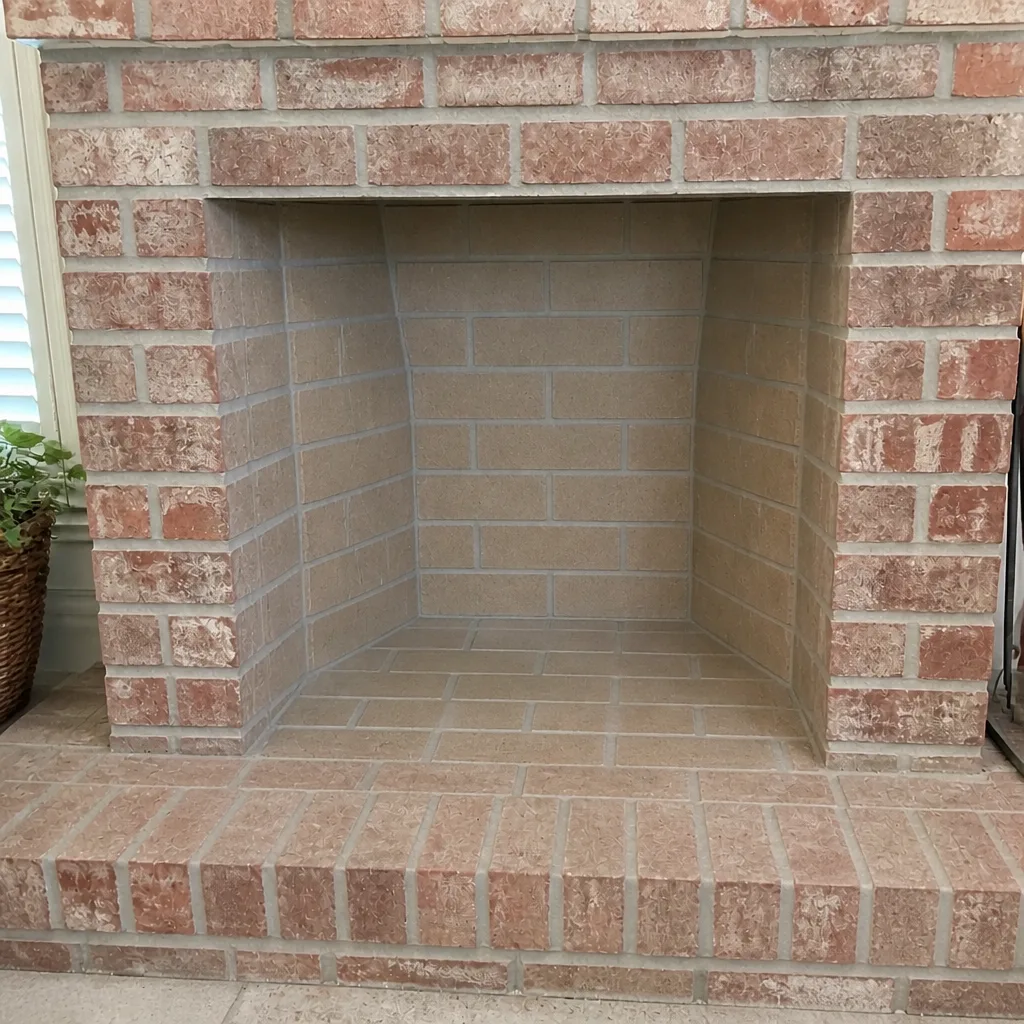
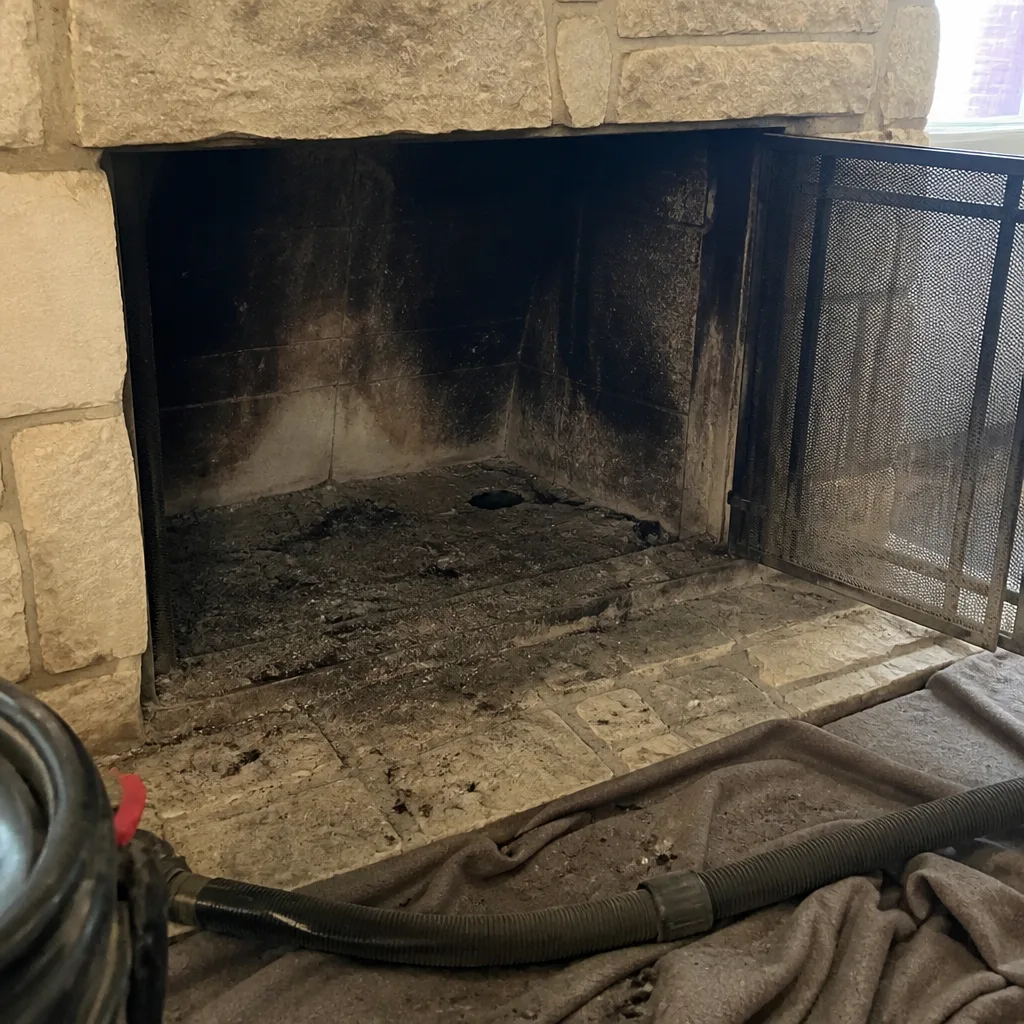
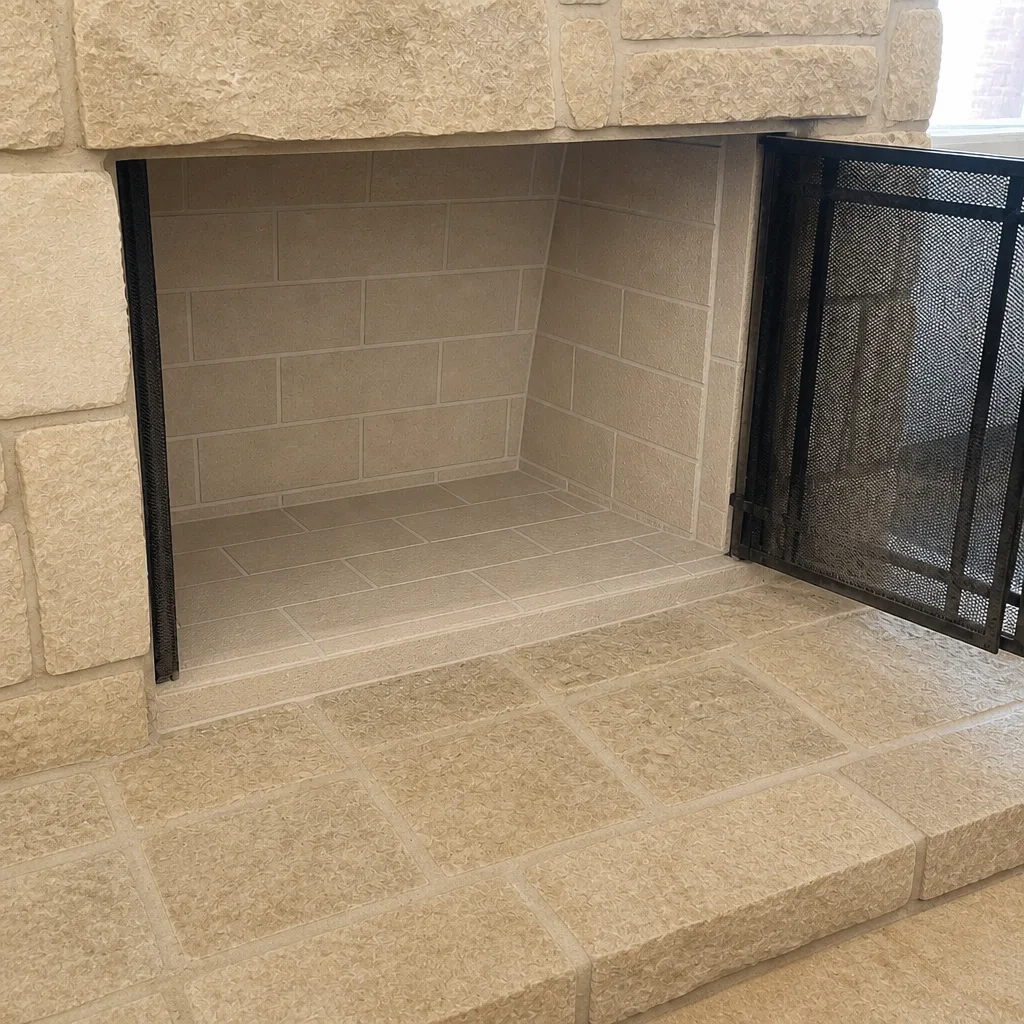
See the difference
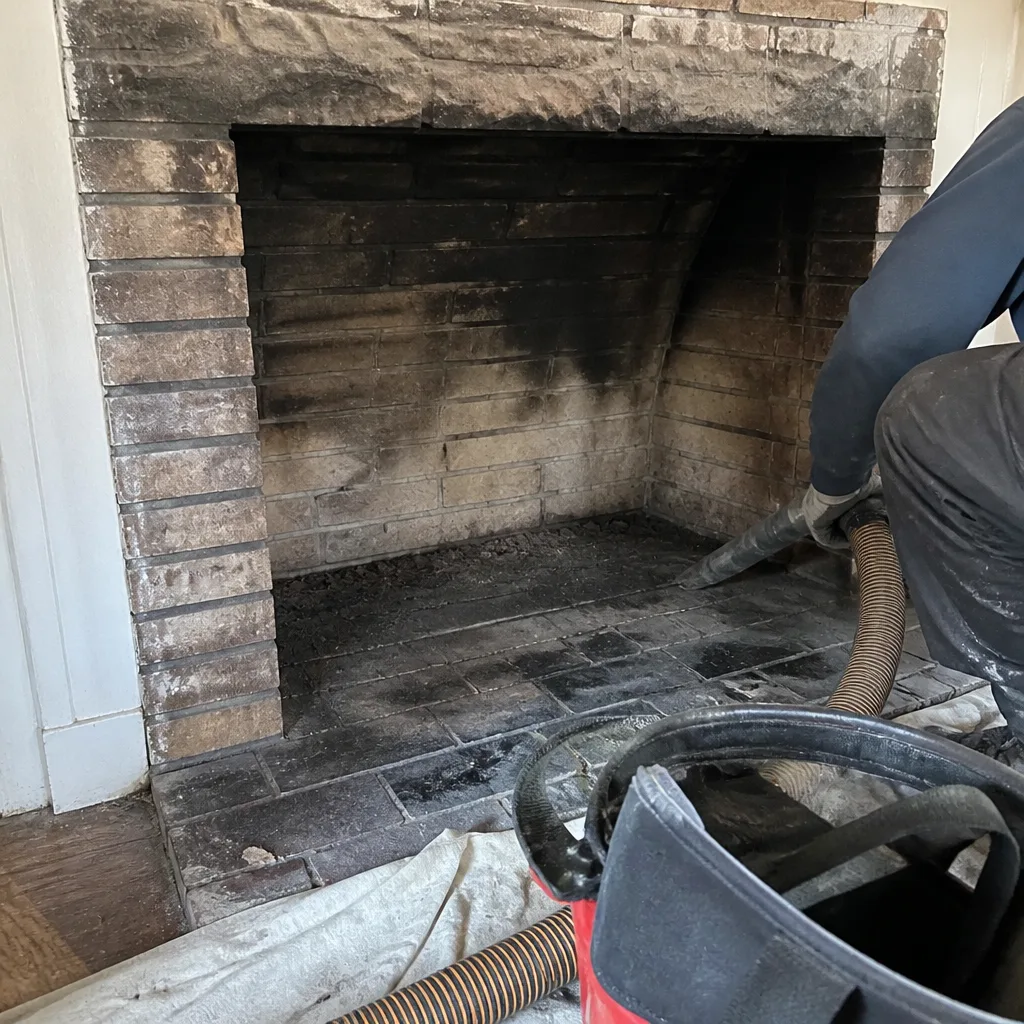 Before
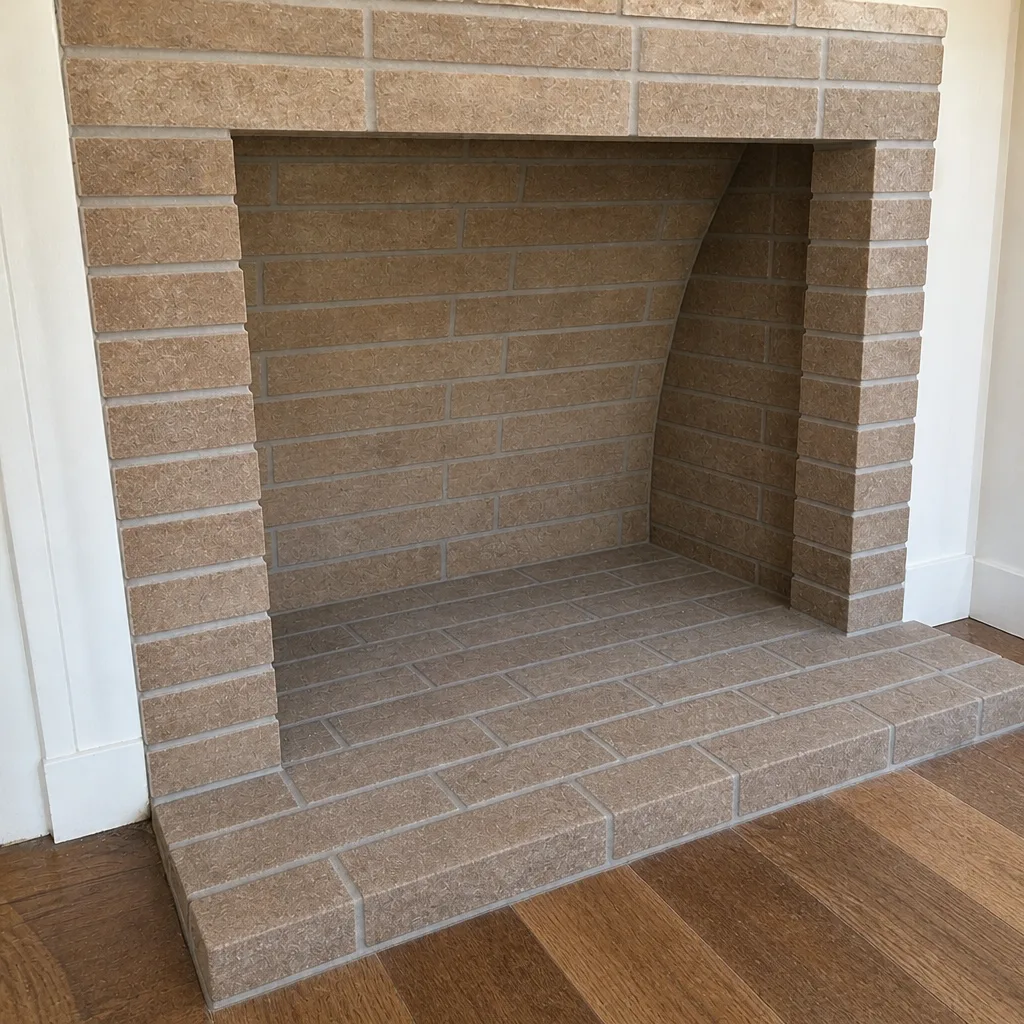 After
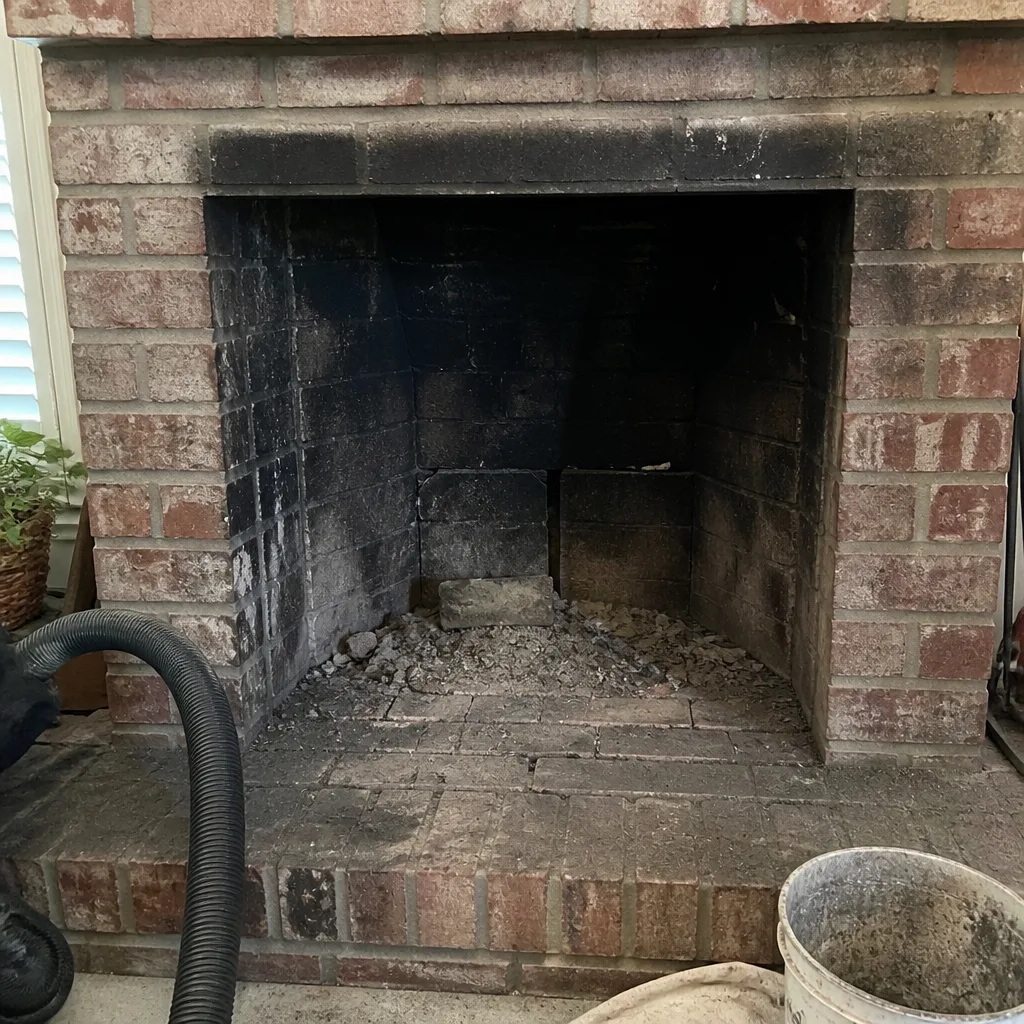 Before
 After
 Before
 After