
Last updated November 16, 2026
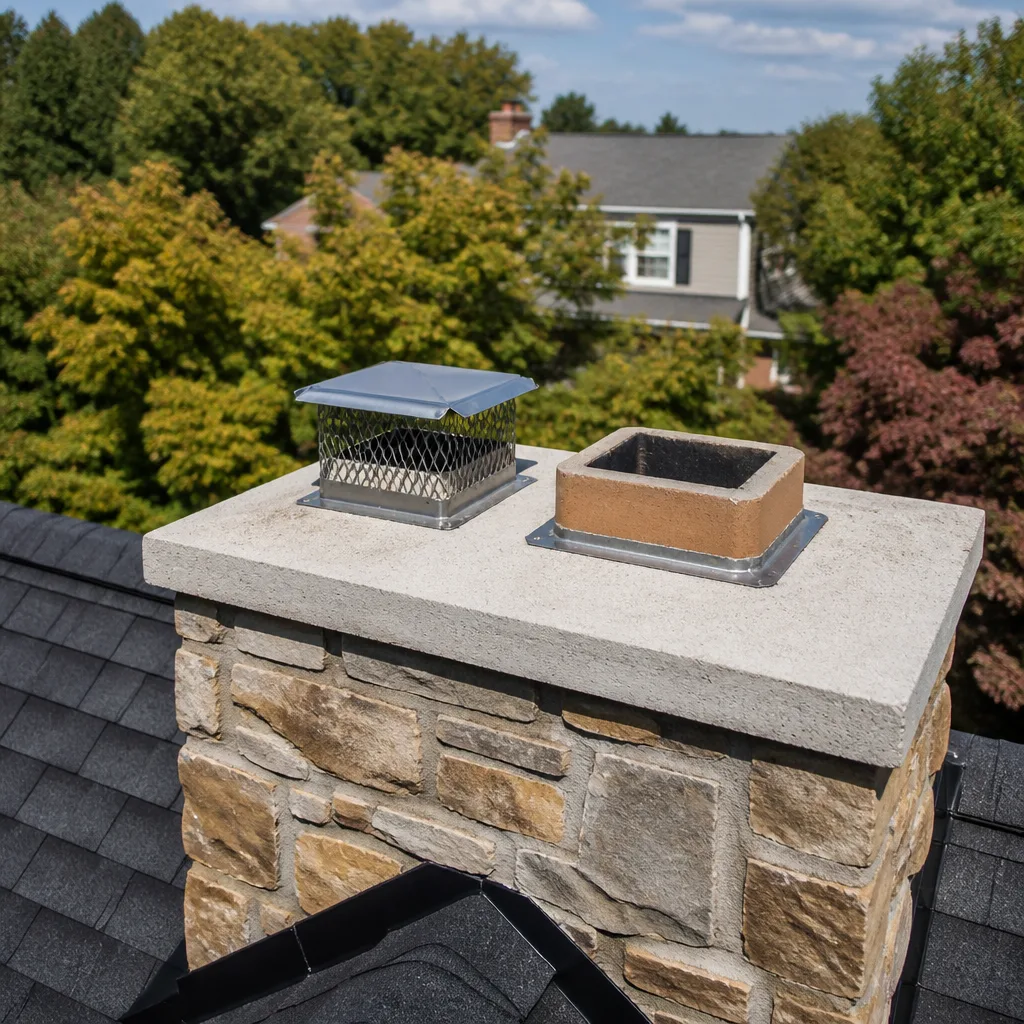 Sweep & inspection
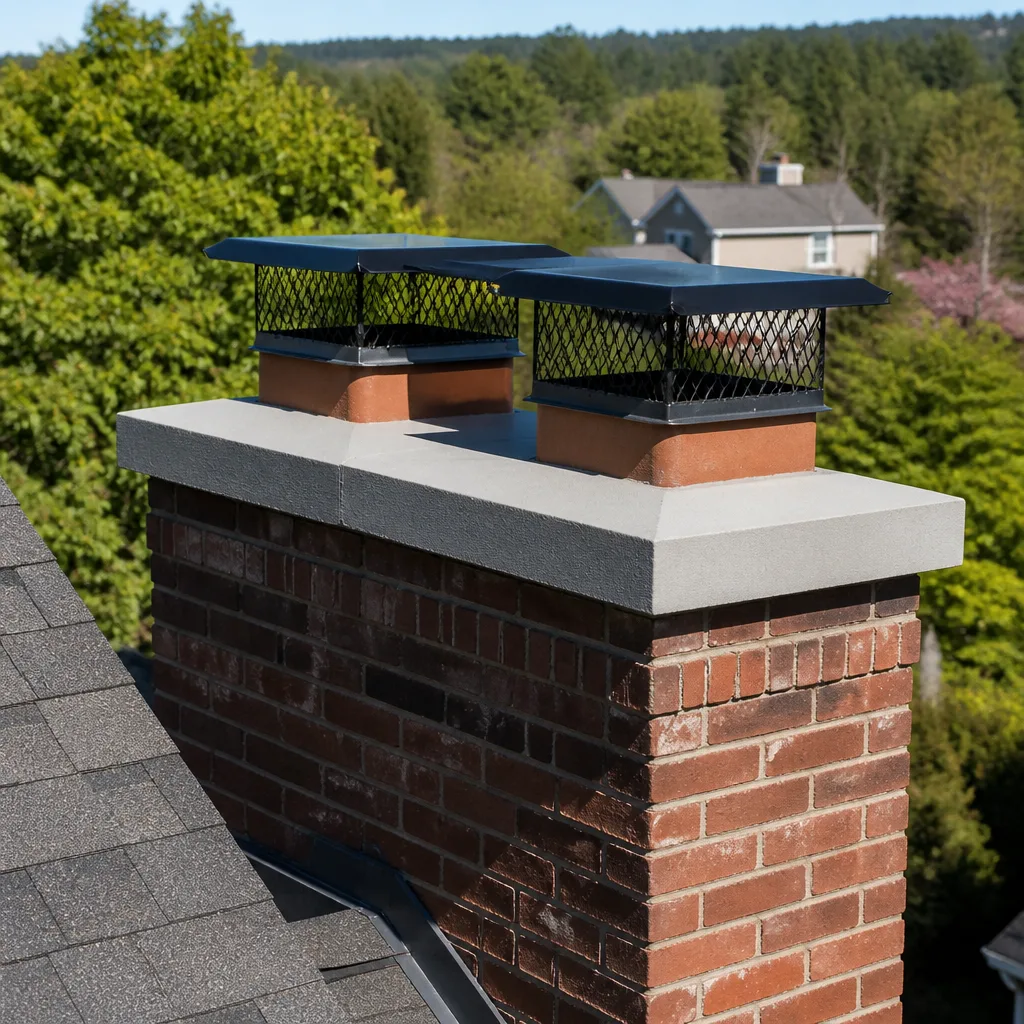 Caps & crowns
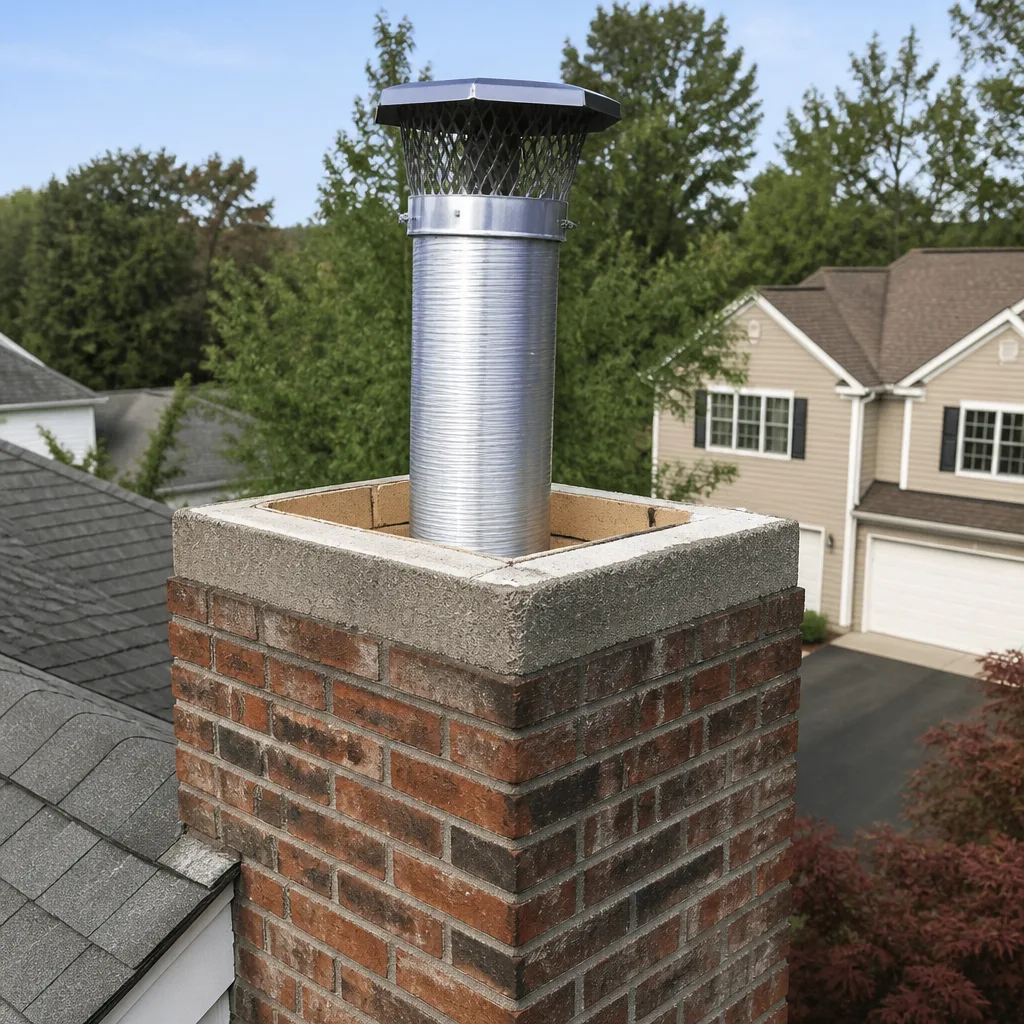 Flue relining
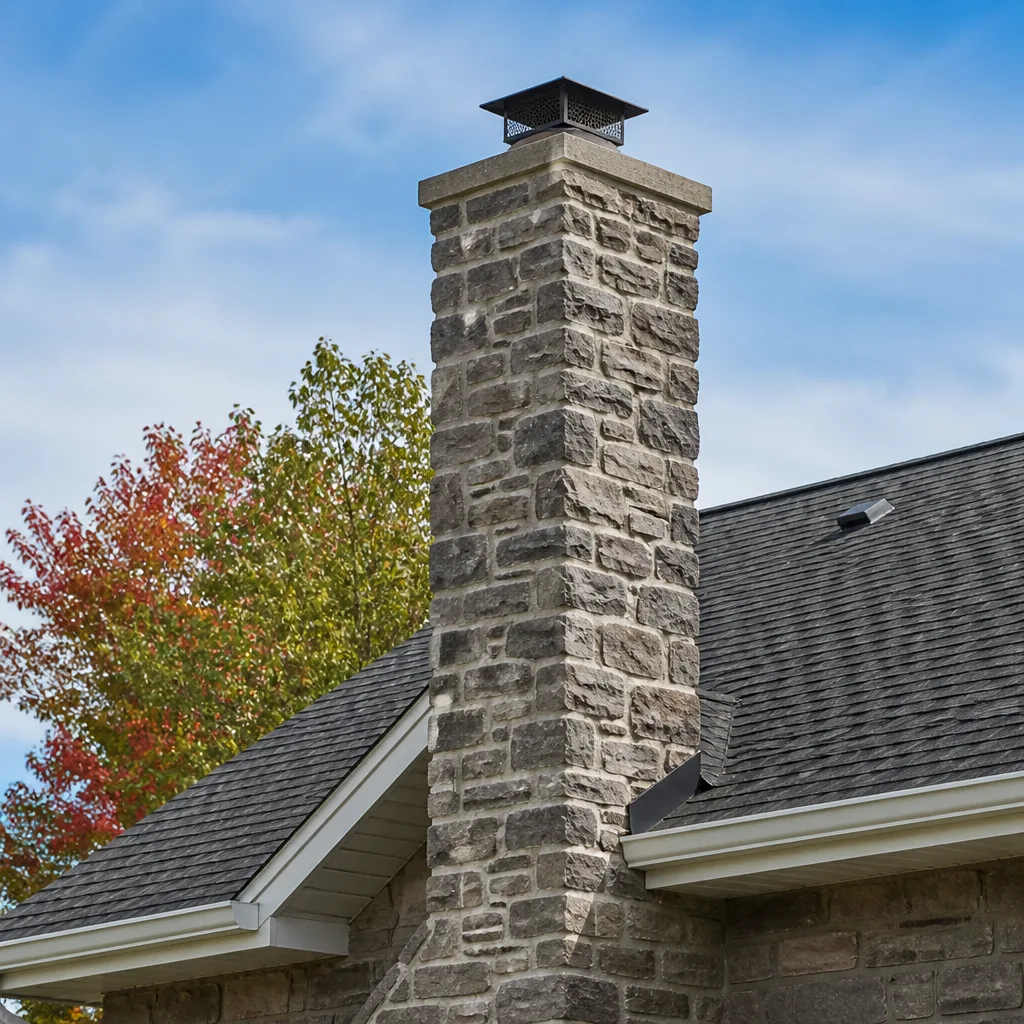 Masonry repair
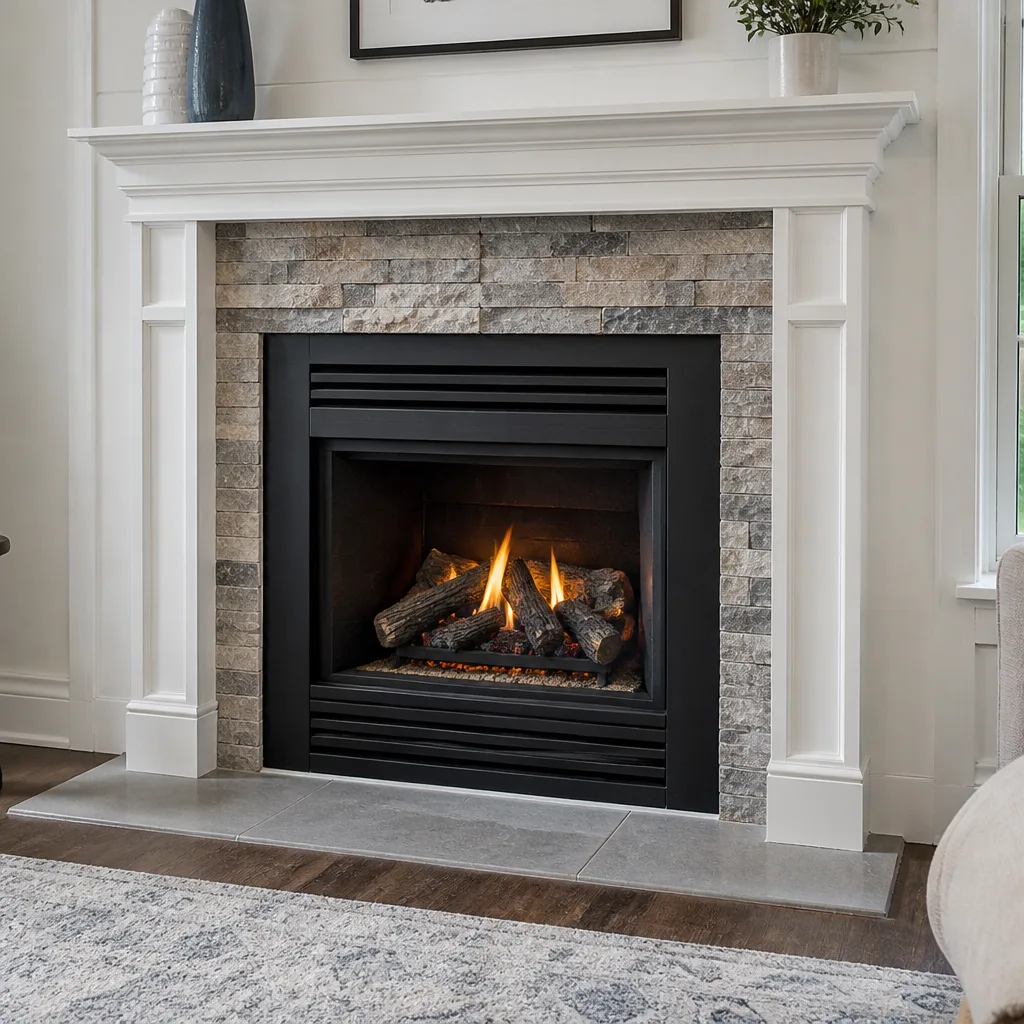 Gas fireplace service
Level 1 sweep and inspection to the NFPA 211 annual standard - flue, crown, cap, and flashing checked and photographed
Chimney sweep logs do not sweep chimneys. They loosen some creosote - which then falls where a brush and vacuum still have to collect it.
Chimney Cleaning Cost Breakdown: The Tracy Homeowner’s Reference for 2026
The price on the phone is rarely the price you pay, and that gap is not an accident. A standard chimney cleaning in Tracy runs about $150 to $220, but the industry’s quiet business model in many shops is a low door-opener that turns into hundreds or thousands in recommended repairs. The cleaning is the hook; the repair quote that follows is the actual product. This guide breaks down every line item a Tracy homeowner is likely to see in 2026, what drives the variation inside each one, and how to tell a legitimate repair from a padded invoice. By the end you’ll know which numbers are reasonable, which recommendations can safely wait, and exactly what to ask for before you sign anything.
Quick Answer
A standard chimney cleaning in Tracy typically costs $150 to $220, and a Level 2 inspection with a camera adds roughly $100 to $250 on top. Repair line items run much wider: a cap replacement is usually $150 to $400, crown coating $300 to $700, and full stainless relining $2,500 to $5,500 depending on flue height and configuration. The written estimate you receive should specify the exact brand and product for every repair, not a generic “stainless liner” or “crown sealant.”
Styles & brands we work with
- Sweep & inspection
- Caps & crowns
- Flue relining
- Masonry repair
- Gas fireplace service
Table of Contents
- What does a chimney sweep cost in Tracy in 2026?
- What does a Level 1 vs. Level 2 inspection cost?
- What do common Tracy chimney repairs cost?
- What actually drives price variation within each category?
- How to read a repair quote and verify it’s legitimate
- Which Tracy repairs need a permit and which don’t
- The repair-to-cleaning ratio that separates fair shops from upsell operations
- Common mistakes to avoid
What does a chimney sweep cost in Tracy in 2026?
A standard chimney cleaning in Tracy typically costs $150 to $220 in 2026. That covers a wood-burning fireplace or a standard solid-fuel flue, a full brush and vacuum of the firebox and flue, and a basic visual check. It is the floor of your total spend, not the ceiling, and the difference between the low and high end comes down to how much work your particular chimney requires.
Within that range, several things move the number:
- Appliance type. A wood-burning fireplace is the baseline. A gas insert or a pellet stove requires different tools and a slightly different procedure, which can land toward the upper end.
- Level of soot and creosote. A chimney that’s been swept regularly cleans quickly. One that has gone several seasons without attention takes longer and produces more debris, and heavier creosote buildup can push the job into a higher tier because it needs staged removal rather than a single pass.
- Access and roofline. A chimney with easy ladder access and a clear cap sweeps faster than one hemmed in by a steep roof pitch or nearby obstructions.
- Flue configuration. A straight flue is simple. An offset or a flue with a damper assembly in the way adds time.
If you’ve skipped a few seasons, don’t assume the worst. The cleaning price stays roughly the same; what changes is what the technician finds once the flue is clear. That’s why a chimney sweep and an inspection belong together. The sweep cleans it; the inspection tells you what it actually needs. A shop that quotes you a cleaning and then hands you a repair list before anyone has looked up the flue with a camera is skipping a step, and that’s the first sign to slow down. Our technicians have up to experience and can walk you through exactly what they find.
What does a Level 1 vs. Level 2 inspection cost?
A Level 1 inspection is usually included free with a cleaning, while a Level 2 inspection with a camera typically adds $100 to $250 in Tracy. The difference matters because the two inspections answer different questions, and the cheaper one cannot see what the other can.
A Level 1 inspection is a visual check of accessible components: the firebox, damper, the visible portion of the flue, the cap, and the exterior. It’s appropriate when your appliance and flue setup hasn’t changed and you just want a routine condition check. It does not use a camera, so it cannot see the full interior length of the flue, behind an offset, or into the smoke chamber above the damper.
A Level 2 inspection adds a camera run through the entire flue, a check of accessible portions of the chimney exterior and attic or crawlspace where the chimney passes through, and a photo or video report. It’s the inspection you want when:
- You’ve just bought the home and have no service history for the chimney.
- You’ve changed the appliance, fuel type, or flue liner since the last inspection.
- You’ve had a chimney fire, even a small one you put out yourself.
- You’ve noticed smoke backing into the room, a persistent odor, or visible cracking.
- It’s been more than a few seasons since anyone looked at it.
For most Tracy homeowners who want a real answer about flue condition, Level 2 is the inspection that delivers it. The camera is the whole point: it produces evidence you can see for yourself, which is the difference between a technician telling you the flue is deteriorated and you being able to look at the footage and agree. When we recommend a repair, we show you the reason. If the footage doesn’t justify the work, we say so, and we tell you plainly when something can safely wait until next season.
What do common Tracy chimney repairs cost?
Repair pricing is where the range explodes, and where an unverified quote can cost you thousands. Here are the typical 2026 Tracy ranges for the most common line items, presented as estimates. The written estimate you receive sets the final price on your specific chimney.
| Repair line item | Typical Tracy range (2026) | What drives the number |
|---|---|---|
| Level 1 sweep (baseline) | $150 – $220 | Appliance type, soot level, access |
| Level 2 camera inspection | $100 – $250 (added) | Flue complexity, camera run length |
| Chimney cap replacement | $150 – $400 | Cap style, flue size, roofline access |
| Crown coating / sealing | $300 – $700 | Crown size, extent of cracking, product used |
| Crown rebuild (partial) | $500 – $1,200 | Repair area, materials, access |
| HeatShield ceramic flue resurfacing | $1,200 – $2,800 | Flue length, diameter, damage extent |
| Localized liner repair | $400 – $900 | Repair location, liner type, accessibility |
| Full stainless relining (DuraFlex) | $2,500 – $5,500 | Flue height, offsets, liner diameter, insulation |
Two of these deserve a closer look because they’re the ones most often misrepresented. HeatShield ceramic resurfacing is a liner-restoration method: it rebuilds the flue interior with a sprayed ceramic compound, which can restore a deteriorated flue without a full reline when the structure allows it. On the right flue it’s a genuine cost-saving alternative to full replacement. On a flue with structural failure, it’s the wrong tool. The right solution depends on your flue, not on what’s easiest to sell.
Full relining with a DuraFlex flexible stainless system is the go-to when the existing flue is deteriorated or non-compliant. Flexible liner handles offset configurations that most rigid liners simply cannot navigate, which matters on older Tracy homes where the flue was built with a jog around a framing member. For repair work like flashing and components, we specify Famco flashing systems and Copperfield parts because those are the names chimney contractors specify by name. If a quote you’ve received says “flashing repair” or “stainless liner” without a product name attached, ask for the specific brand and model before you compare it to another bid. A generic line item is impossible to price-check.
What actually drives price variation within each category?
Two quotes for the same repair can differ by $1,000 and both be honest, because the underlying work is rarely identical. Understanding the four factors below is how you tell a legitimately higher bid from a padded one. In our experience, most price confusion comes down to these variables being left off the estimate.
- Material grade. A 316L stainless liner and a thinner entry-level liner are not the same product, and they don’t carry the same price or lifespan. The same goes for crown coating compounds and caps. When you compare bids, compare product specs, not just totals. This is exactly where naming the brand on the quote pays off: DuraFlex and HeatShield are professional-grade products with known specifications, so you can compare like to like.
- Flue height. A taller chimney means more liner, more material, and more labor hours. A single-story flue and a two-story flue with the same diameter are different jobs entirely.
- Access difficulty. A roofline with a steep pitch, a tight setback, or an obstruction like a nearby tree or vent pipe adds setup time and safety rigging. A quote that ignored your access would be suspiciously low until you get the final invoice.
- Liner diameter. A larger-diameter flue needs more material; a smaller one may need a more specialized liner. Diameter also has to match your appliance’s venting requirements, which is why the correct fix isn’t always the largest liner available.
One more factor that isn’t a price driver but a legitimacy driver: whether the shop does the sweep, the inspection, and the repair through a single point of contact. When those three steps are handled by one contractor, the diagnosis and the fix line up. When they’re split across three shops, the repair crew is trusting the sweep’s one-line summary and the sweep has no stake in whether the repair is done correctly. The chimney repair work you get should trace directly back to what the camera found, not to a chain of handoffs.
How to read a repair quote and verify it’s legitimate
A legitimate chimney repair quote names the product, shows you the evidence, and separates urgent from optional work. If any of those three is missing, you can’t evaluate the price, and you shouldn’t try. Here’s how to read what you’ve been handed.
1. Check for a specific product name on every line
Every repair line should name what is being installed. “Stainless liner” is not a specification; “DuraFlex flexible stainless liner, X inches” is. “Crown sealant” isn’t either; a named crown coating compound is. If the quote can’t name the product, you can’t compare it to another bid or check its lifespan, and that vagueness usually serves the seller, not you.
2. Ask to see the camera footage before approving anything
You’re being asked to spend hundreds to thousands on a flue you’ve never seen the inside of. Legitimate repair recommendations come with a photo or video report. Ask for it. If a shop resists, that’s information. If the footage shows light surface glazing on a flue that’s still structurally sound, you may have room to hold off.
3. Separate the must-fix from the nice-to-fix
A good quote will tell you which items are safety issues, which are code compliance issues, and which are maintenance that can wait. A deteriorated flue liner on a solid-fuel appliance isn’t a wait item; a hairline crown crack is. If everything on the list is presented with the same urgency, ask which ones truly can’t wait and why.
4. Compare at least two quotes on product, not price
A $2,400 reline and a $4,200 reline can both be fair if one uses a heavier-gauge liner with insulation and the other uses a basic uninsulated one for a shorter flue. Compare specs line by line. The lower number isn’t automatically the better deal, and the higher one isn’t automatically a rip-off.
5. Confirm the scope includes cleanup and disposal
Ask whether debris removal, old liner disposal, and a final check are included. These are small line items that shouldn’t balloon the total, but they should be listed so nothing surprises you on the invoice.
Which Tracy repairs need a permit and which don’t
Not every chimney repair requires a permit, but the ones that do are usually the expensive ones, and skipping the permit can create a problem when you sell. The right move is always to confirm with the City of Tracy building department before work starts, because rules shift and your specific scope matters. What follows is a general guide to what typically needs a permit and what’s normally permit-exempt maintenance, not a substitute for checking with the city.
Typically requires a permit
- Full chimney relining where the flue is being replaced or reconfigured, because the flue is part of the structure and the venting system.
- Structural repairs to the chimney stack, rebuilds, or work that affects the load-bearing portion of the chimney.
- Changing the appliance type (for example, converting from wood-burning to a gas appliance) where venting requirements change.
Typically permit-exempt maintenance
- Sweeping and cleaning of the flue and firebox.
- Level 1 and Level 2 inspections.
- Cap replacement where it’s a like-for-like swap and doesn’t alter the structure.
- Crown coating that seals existing cracks without rebuilding the crown.
Permit fees vary by scope and by the city’s current fee schedule, so ask the building department directly rather than budgeting from a guess. When we scope a repair in Tracy, we tell you whether the work as described typically falls under permit or not, and we don’t claim the final say on that; the city does. That’s an honest handoff, not a marketing line.
The repair-to-cleaning ratio that separates fair shops from upsell operations
The door-opener model is the single biggest factor in whether you pay a fair price for your chimney work. The pattern is a low cleaning price that gets you in the door, followed by a repair quote that’s priced to make the visit profitable. The ratio between the two tells you which kind of shop you’re dealing with.
A shop that runs a $179 cleaning and then bills you $800 to $1,400 for repairs has a repair-to-cleaning ratio of roughly 4.5 to 8 times. That’s not automatically wrong; sometimes a chimney genuinely needs several hundred dollars of work, and if the camera shows a deteriorated liner, it’s a real repair. But here’s what to watch for to separate a needed repair from an upsell:
- The repair list is identical across customers. If every visit to a shop produces the same three recommendations, the recommendations aren’t tailored to your flue.
- No camera evidence is provided. The quote is based on a visual glance and a confident tone, not footage. That’s the biggest tell.
- Urgency is applied to maintenance items. Crown cracking that could be sealed next season is described as an emergency. A hairline crack in the crown is not a fire risk by itself.
- Repairs aren’t itemized. One lump sum, no line items, no product names. You can’t verify the price because you can’t see the parts.
- The quote upsells everything at once. A “while we’re up there” list that recommends capping, sealing, relining, and a new damper in one visit is possible but should be justified piece by piece.
A fair shop’s repair-to-cleaning ratio should be close to zero on routine visits, because most chimneys don’t need repair on a cleaning schedule. When one does, the repair should arrive with evidence and a product name, not a pitch. The independent professionals we connect homeowners with work that way, and you should expect it whether you call us or anyone else.
Common Mistakes to Avoid
- Buying a cleaning-only price and assuming the inspection is included. It usually isn’t. A $150 cleaning with no inspection leaves you with a clean flue you know almost nothing about. Confirm up front whether a camera inspection is part of the visit, and if it isn’t, add it.
- Approving a repair quote with no product name. “Stainless liner” and “crown sealant” aren’t specifications. A quote that won’t name the brand is a quote you can’t compare or verify, and that’s usually not because the part is generic; it’s because the price is set to leave room.
- Skipping the inspection when you’ve just bought the home. In Tracy’s established neighborhoods, plenty of homes change hands with no service history for the chimney. A Level 2 inspection on a newly purchased home is the one time the camera evidence saves the most money, because it tells you exactly what you own.
- Assuming a recommended reline is always an upsell. Uncomfortable to hear, but true: a deteriorated flue liner is a real hazard, and a flexible DuraFlex reline is sometimes the correct fix. The mistake in the other direction is refusing it because someone once quoted you an unnecessary one. Ask for the footage and decide from the evidence.
- Going three seasons without a sweep. Creosote builds up in layers, and the heavier the build, the more of a fire risk the flue carries. Regular sweeping keeps the cost predictable by preventing the kind of buildup that requires more work.
- Ignoring smoke or odor as a “draft issue.” A persistent smoky smell or smoke backing into the room is often a sign of a liner or flue problem, not just a chimney that needs cleaning. Get it looked at with a camera before the next fire season, not on the first cold night.
- Booking a repair with whoever answered first. Get more than one bid, on paper, with product names, then compare. The fifty minutes of effort can save more than most people realize, and it makes you a far harder customer to oversell.
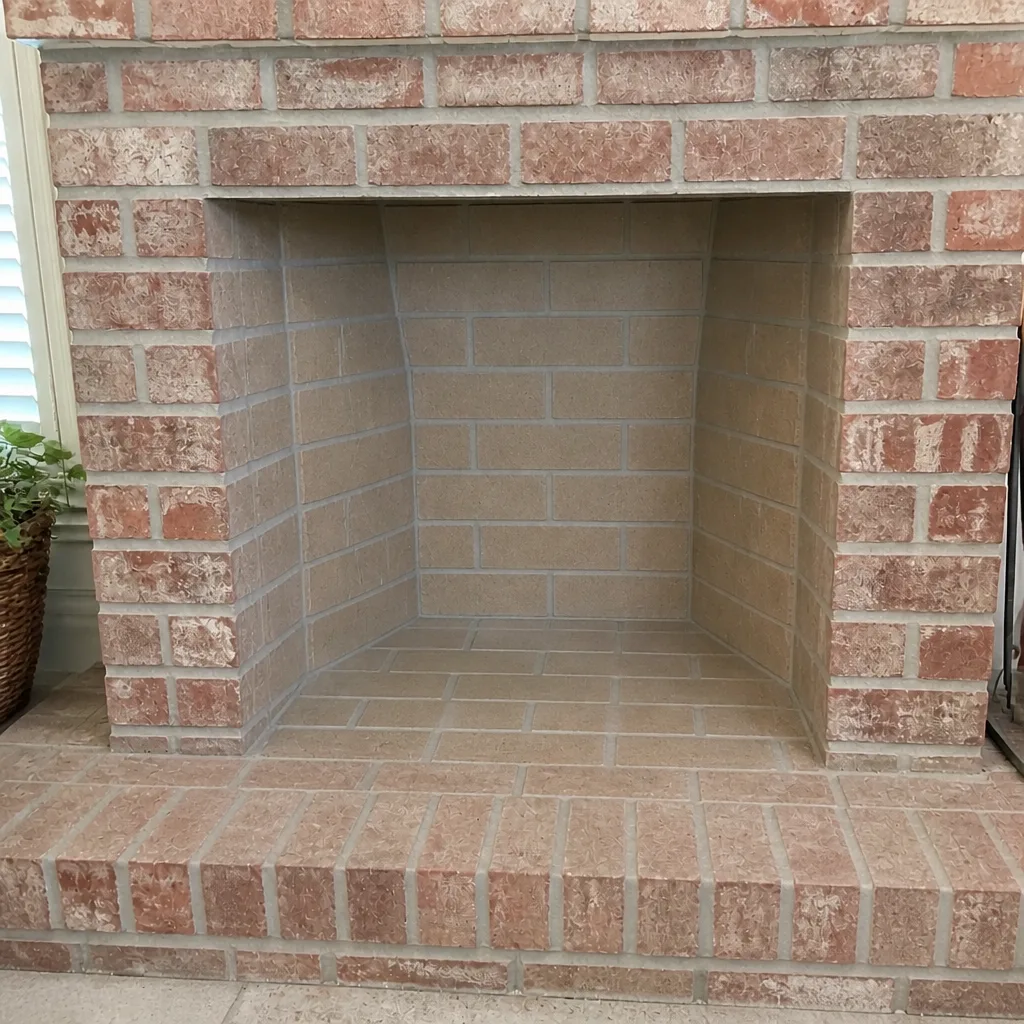
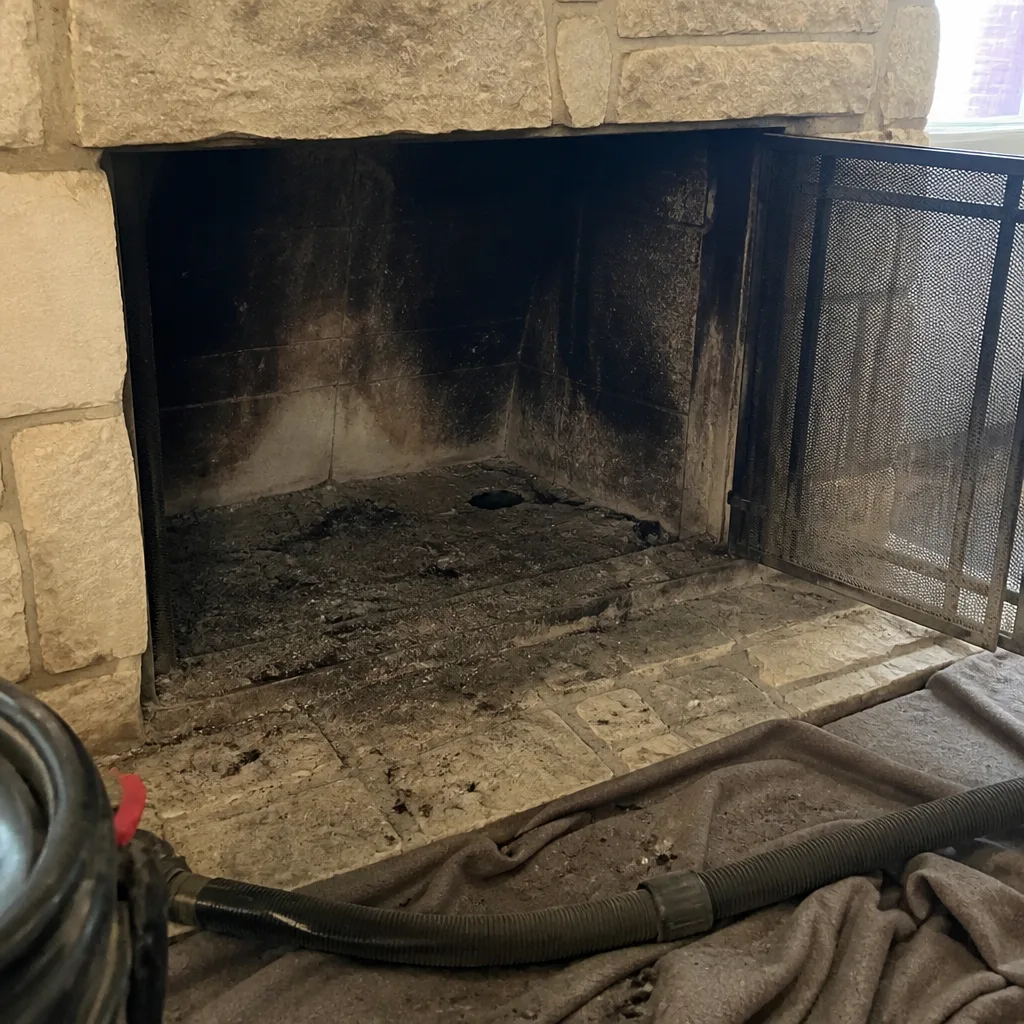
See the difference
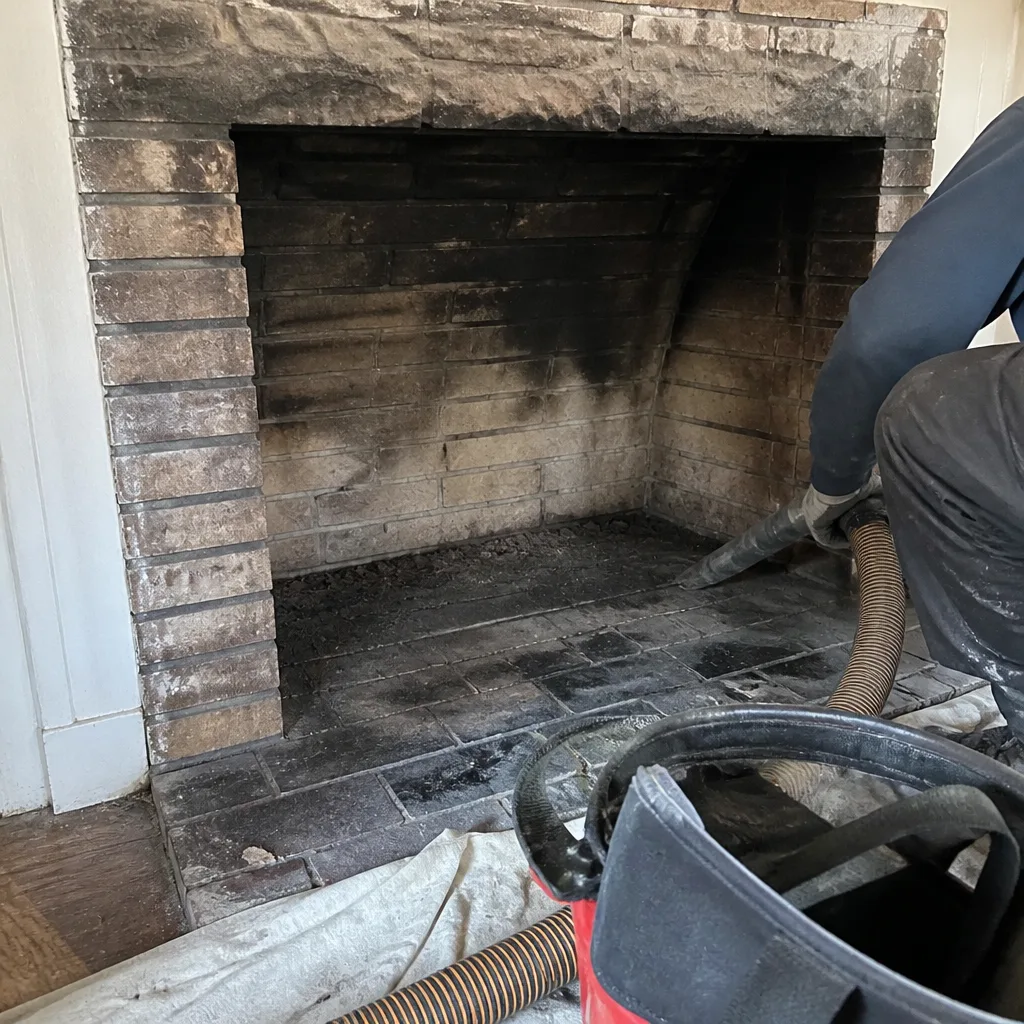 Before
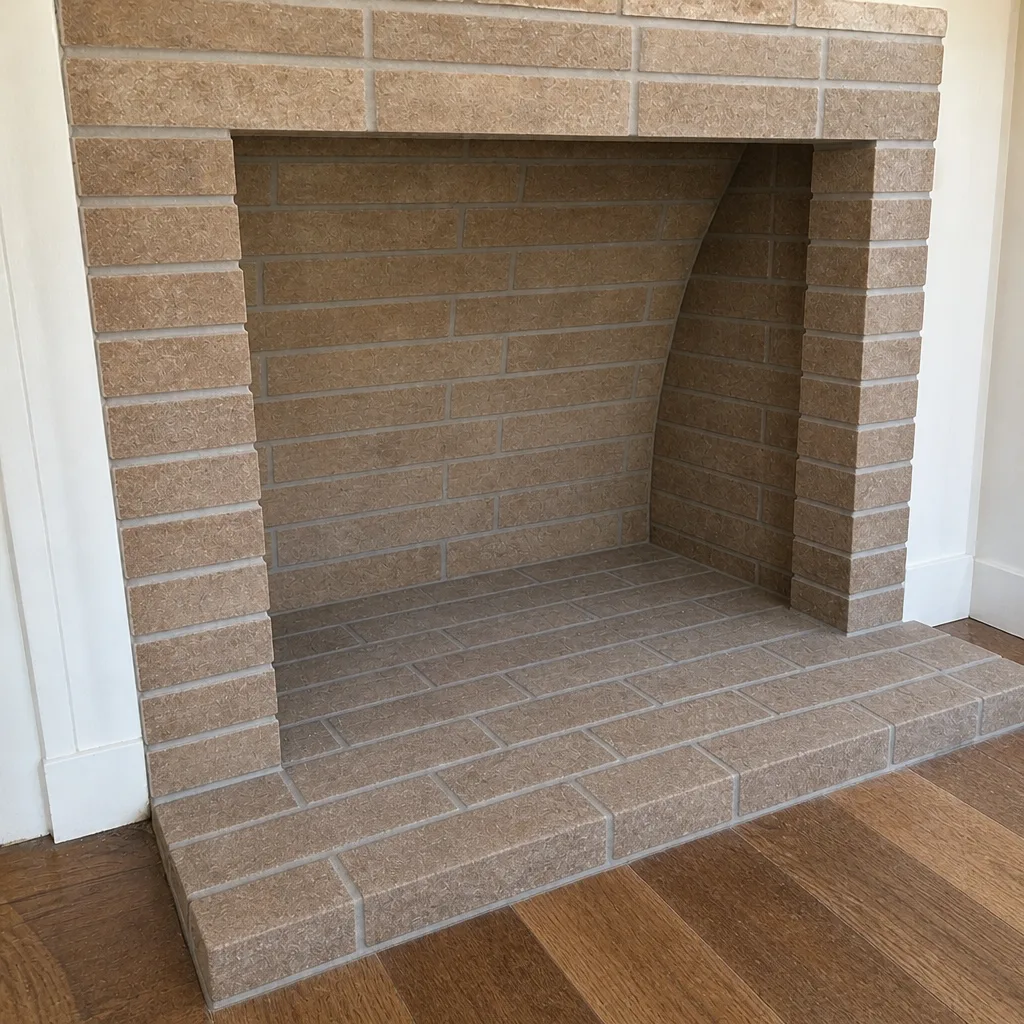 After
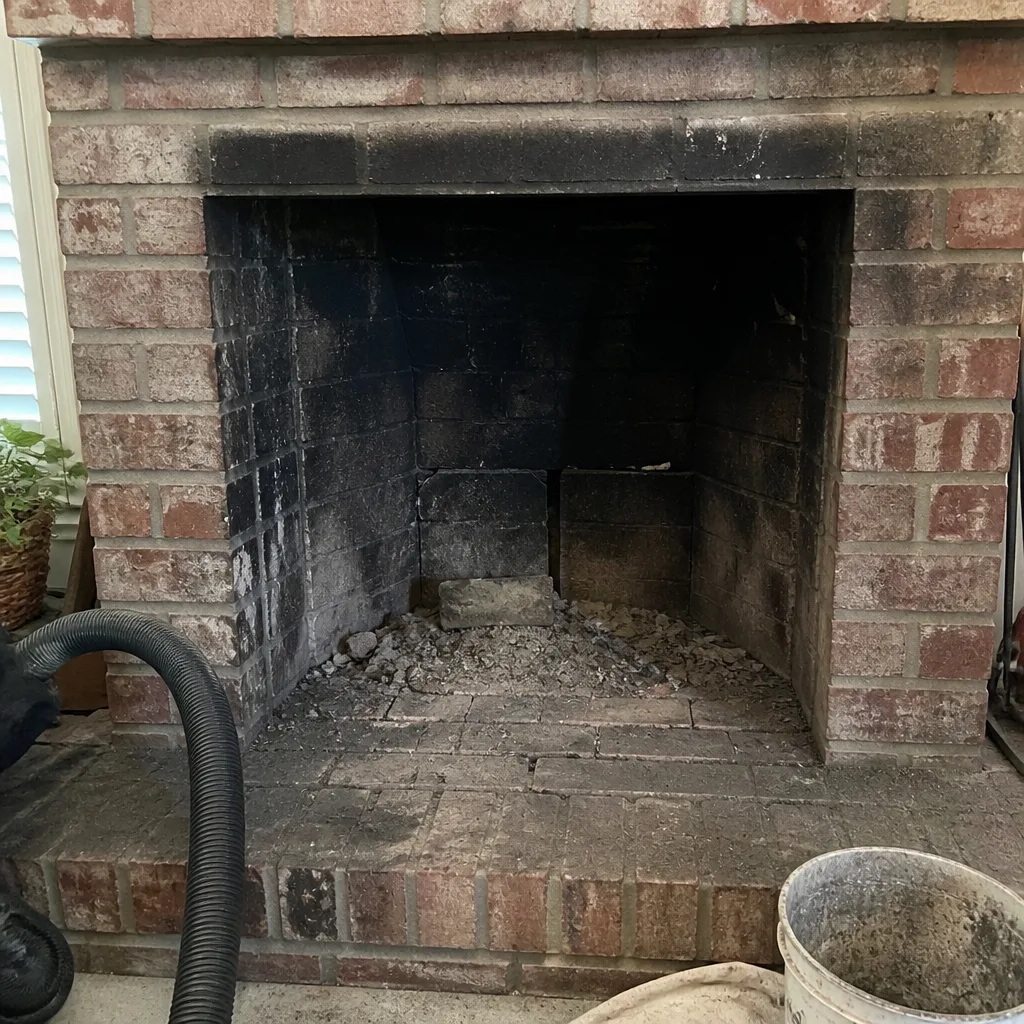 Before
 After
 Before
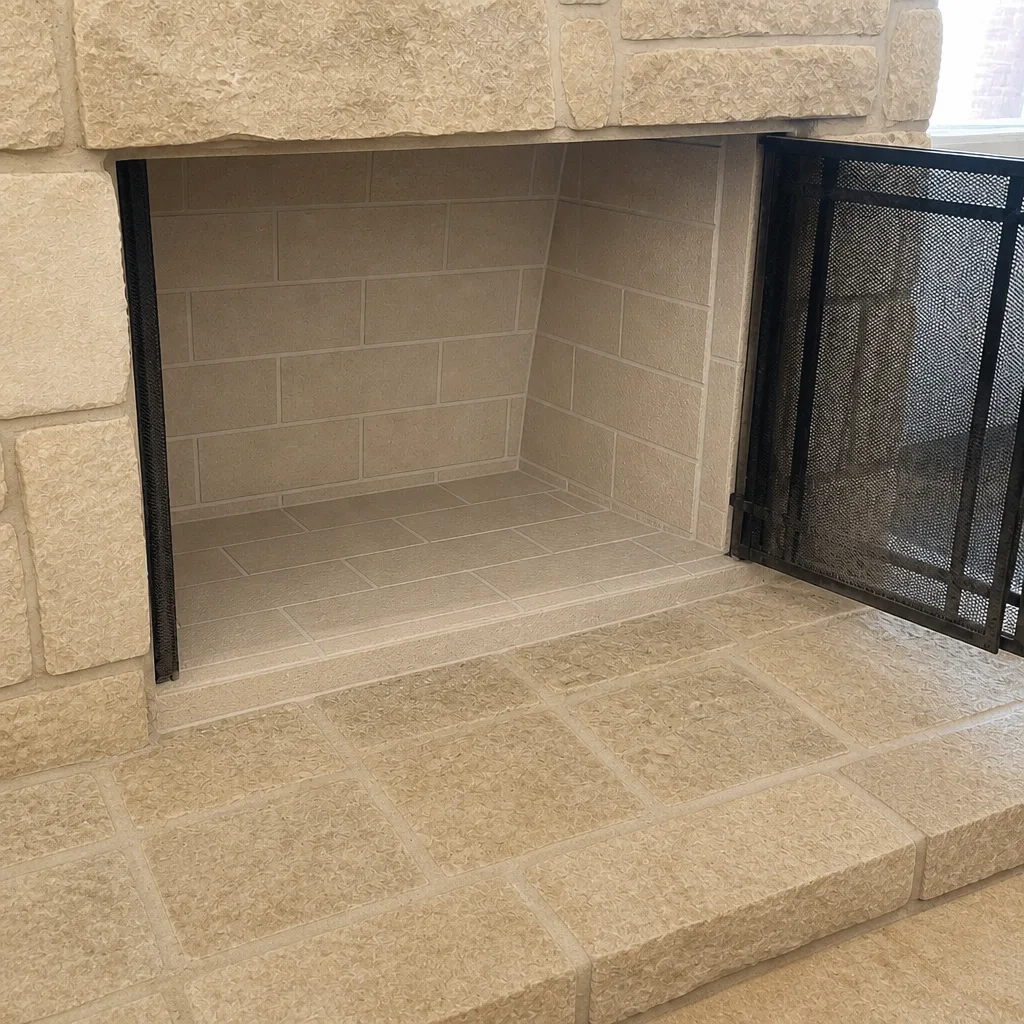 After
When to Call a Professional
Call a professional when you’re seeing active smoke backing into the room, a persistent smoky odor even when the fire isn’t burning, visible cracking in the chimney exterior, or a cap that’s been damaged or blown off in a storm. Those are the situations where a camera inspection is worth doing before you light another fire. Schedule a sweep and inspection when it’s been several seasons since the last one, when you’ve just bought a home with a fireplace, or when you’ve changed the appliance or how you use the fireplace. If a chimney fire has happened, even a quiet one, get it inspected. And if a shop has handed you a repair quote you can’t verify, a second opinion with camera evidence is worth the call.
Chimney Sweep Tracy offers free estimates in Tracy – call (833) 766-1560. The cleaning and inspection are scheduled ahead of burning season, so the earlier in the season you call, the more room there is to sort out any repair before the first fire. We work with professional-grade components from DuraFlex, HeatShield, Gelco, Olympia Chimney, Famco, and Copperfield, and every repair we recommend comes with the evidence behind it.
Frequently Asked Questions
A standard chimney cleaning in Tracy typically costs $150 to $220 in 2026, with a Level 2 camera inspection adding roughly $100 to $250. The written estimate sets the final price for your specific flue. Call (833) 766-1560 for an exact quote – estimates are free.
You need a new liner if the existing one is deteriorated, corroded, cracked, or undersized for your appliance, and the camera footage is the only reliable way to know. A flue liner in good condition doesn’t need replacing just because someone says so. Ask to see the footage, then decide. If the liner is sound but the flue interior is damaged, HeatShield ceramic resurfacing may restore it for less than a full reline. Call (833) 766-1560 and we’ll walk you through what your flue actually needs.
Most wood-burning chimneys should be swept once a year if you burn regularly, and more often if you burn heavily or notice a lot of soot building up. Gas and pellet appliances have their own schedule based on manufacturer guidance. The point of a yearly sweep is to clear creosote before it accumulates and to catch problems while they’re small. Call (833) 766-1560 to book a sweep before the next burning season.
Skipping a sweep lets creosote build up in layers, and heavy creosote is the fuel for a chimney fire. It also means small problems like a cracked crown or a deteriorating liner go unnoticed until they’re larger and more expensive. A chimney isn’t dangerous because it’s dirty; it’s dangerous because it’s dirty and nobody knows what condition the flue is in. Call (833) 766-1560 for a sweep, an inspection, and a straight answer.
The lower number is often a door-opener designed to lead into a repair quote, while the higher one may include a basic inspection. Neither is automatically dishonest, but you should ask each shop exactly what’s included and whether a camera inspection is part of the visit. Compare the full scope, not just the cleaning price. Call (833) 766-1560 for a clear, itemized quote.
Not from a lump-sum quote, but you can from an itemized one that names the product and shows camera evidence. Ask for the footage and a line-item breakdown with brand names on every repair. If it’s justified, the specifics will back it up. If a shop won’t provide either, that’s your answer. Call (833) 766-1560; we show you what we found before we recommend anything.
Full relining, structural repairs, and appliance conversions typically require a permit, while sweeping, inspections, cap swaps, and crown coating usually don’t. Permit fees vary by scope and current city schedule, so confirm with the City of Tracy building department before work starts. Call (833) 766-1560 and we’ll tell you how we scope the job and where a permit is likely to apply.
The Bottom Line
The cheap cleaning is the least expensive part of your chimney’s year, and the repair quote that follows is where the real money sits. A standard sweep in Tracy runs $150 to $220, a camera inspection adds $100 to $250, and the repair line items behind it range from a few hundred for a cap or crown up to a few thousand for a full reline. Price variation is real, driven by material grade, flue height, access, and liner diameter. What protects you is not finding the lowest number; it’s getting an itemized quote with the specific product named and camera evidence you can see for yourself. Ask for the footage. Compare product specs. Separate the must-fix from the nice-to-fix. When you have those things, the number in front of you is one you can actually evaluate. And if it’s the wrong number, you’ll know that too.
Ready to get a straight answer on your chimney? Call Chimney Sweep Tracy at (833) 766-1560 for a free estimate. We answer 24/7. Fast dispatch, 7am-7pm, Sunday through Friday. One call covers the sweep, the inspection, and the repair, and we tell you what we found, not what grows the invoice. Visit Chimney Sweep Tracy to see how the work is scoped and scheduled before burning season.
Written by the team at Chimney Sweep Tracy.