
Last updated November 16, 2026
 Sweep & inspection
 Caps & crowns
 Flue relining
 Masonry repair
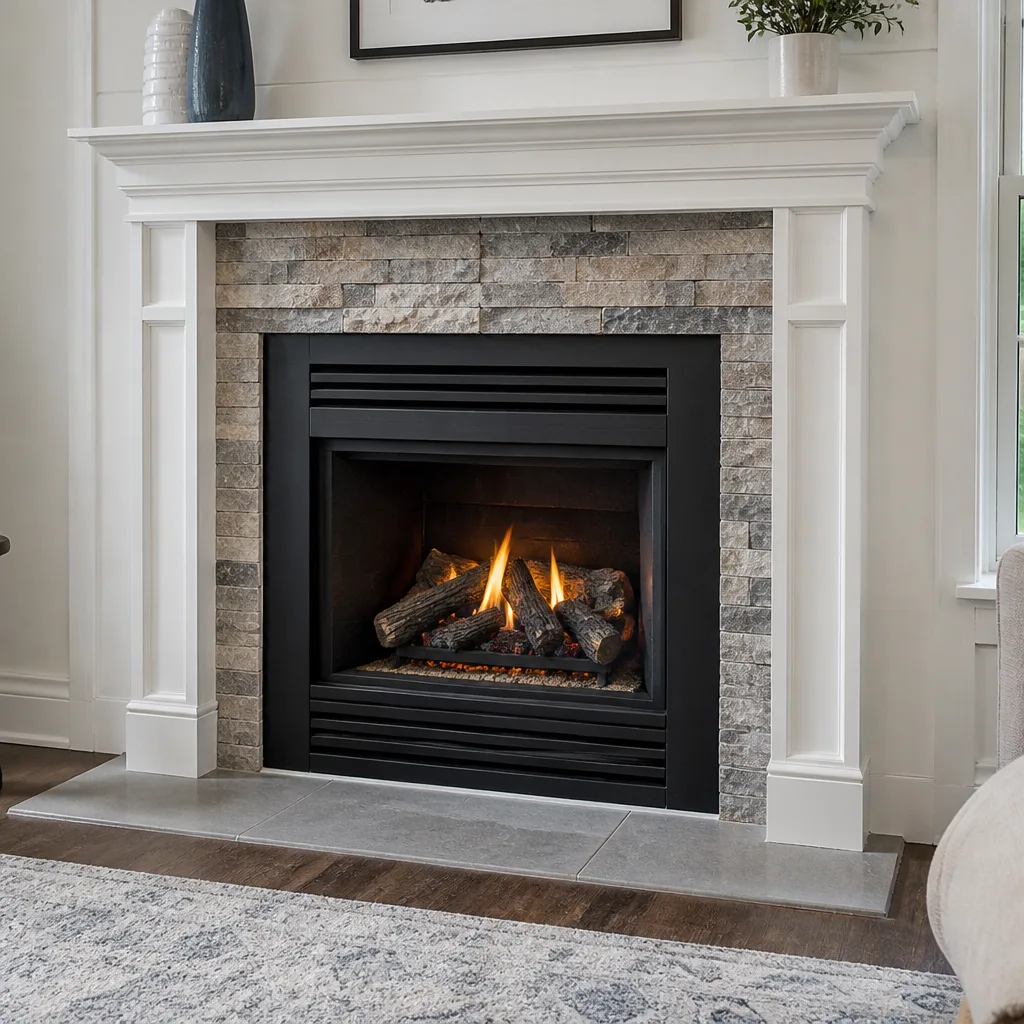 Gas fireplace service
Level 1 sweep and inspection to the NFPA 211 annual standard - flue, crown, cap, and flashing checked and photographed
Chimney sweep logs do not sweep chimneys. They loosen some creosote - which then falls where a brush and vacuum still have to collect it.
Chimney Cleaning Emergency Preparedness Guide for Tracy Homes
Most homeowners think of chimney care as seasonal housekeeping: book a sweep in the fall, forget about it until next year. But the events that actually matter, a chimney fire or a carbon monoxide problem, don’t announce themselves months in advance. They happen on an evening when the house is full and the flue is hot, and the response window is short. A chimney fire in a Tracy home can reach temperatures between 1,800°F and 2,000°F and can move from the flue into surrounding framing in under four minutes. The homeowners who come through it well aren’t the paranoid ones. They’re the ones who made two or three decisions in advance. This guide covers exactly those decisions and nothing more. We’ll walk through what to do in the first sixty seconds, how to tell a real chimney fire from a noisy but safe draft, what has to happen before the fireplace is used again, and how to handle a gas insert that’s quietly smoldering a carbon monoxide problem. If you read only one part, read the numbered steps and keep this page somewhere you can find it fast.
Quick Answer
If you suspect a chimney fire, close the air supply to the fire (shut the damper and any glass doors), get everyone out of the house, and call 911 from outside. Do not open windows to “let smoke out,” and do not throw water on the fire. After any suspected chimney fire, the fireplace or stove cannot be used again until a Level 2 inspection with a camera confirms the liner is intact. For a carbon monoxide alarm sounding with a gas insert or appliance in the home, leave the building immediately, call 911 or the gas utility, and don’t re-enter until professionals clear it.
Styles & brands we work with
- Sweep & inspection
- Caps & crowns
- Flue relining
- Masonry repair
- Gas fireplace service
Table of Contents
- The First Three Steps for a Chimney Fire
- How to Tell a Chimney Fire from a Normal Draft Pull
- After a Chimney Fire: Why the Flue Stays Off Until Inspection
- Carbon Monoxide Preparedness for Gas Inserts
- What to Document for Your Insurance Claim
- Building Your Chimney Preparedness Kit
- Seasonal Timing for Tracy Homes
- Common Mistakes to Avoid
The First Three Steps for a Chimney Fire
When you suspect a chimney fire, close the air supply, evacuate, and call 911. That order matters, and each step has a reason most people don’t think about until they’re standing in a smoky living room.
- Close the air supply. Shut the damper and close the glass doors on the fireplace or stove. A chimney fire feeds on oxygen drafted up the flue; cutting the air starves it and slows the burn. If the fire is in a wood stove, latch the door and shut all air controls.
- Get everyone outside. Leave by the nearest exit, take people first and pets second, and don’t stop to gather belongings. Once outside, stay outside. Move away from the house and away from the chimney side of the building, since flames or debris can come out the top.
- Call 911 from outside. Fire departments would much rather respond to a contained chimney fire than a house already involved. Tell the dispatcher it’s a chimney fire, whether the roof is on fire, and whether anyone is still inside.
Here’s what not to do, and why. Don’t open windows or doors on the fire side of the house. You might think you’re clearing smoke, but you’re feeding the fire fresh oxygen and giving it a path into more of the structure. Don’t throw water into the firebox or down the flue. Water on a fire that hot can flash to steam violently, and the thermal shock can crack a clay flue liner that was otherwise holding together. Don’t try to extinguish it with a home extinguisher aimed up the flue; you can’t reach the fire that way and you risk spraying into a hot chamber in a way that can splash back. And don’t wait to see if it “settles down.” The whole point of a fast response is that the fire gets less time to breach the liner and reach framing.
If you’re in a Tracy home with a wood insert, know where the air control is before you ever light a fire. Same for the damper handle, and the location of every exit. That physical familiarity is the real preparation. A homeowner who’s fumbled for a damper in the dark with smoke building has lost the sixty seconds that mattered.
How to Tell a Chimney Fire from a Normal Draft Pull
A roaring fire in a cold flue can sound dramatic and be perfectly normal. A real chimney fire has a different signature: a loud, continuous roaring that sounds like a freight train or a low-flying jet, not the crackle and pop of burning wood. Learning the difference is the single most useful thing you can do before a fire season starts.
Here’s what a chimney fire usually sounds and looks like from inside the home:
- A roaring or rumbling noise that doesn’t follow the rhythm of the fire, and gets louder rather than settling as the wood burns.
- Dense smoke or visible flame coming from the top of the chimney, sometimes with sparks or embers, and sometimes with a “puffing” pattern as the fire draws.
- A sudden, intense heat through the fireplace surround, mantel, or chimney chase, or discoloration and flaking of paint on the chase or the wall behind the stove.
- A distinct hot, creosote-burning smell in the room, different from ordinary smoke, often described as a sharp chemical or tar-like odor.
- A sudden increase in draft that pulls the fire up stronger than it’s been all evening, like the flue has become a torch.
A noisy but safe draft pull usually happens in the first minutes after lighting, when a cold flue warms up and the draft “catches.” It settles. It’s rhythm follows the wood. It doesn’t get dramatically louder for no reason, carry a molten smell, or come with visible flame and sparks out the top.
If you can safely look outside from a distance, do it. Flame or thick dark smoke rolling out of the chimney crown is a fire. Light grey haze is normal. When in doubt, treat it as a fire. The cost of calling 911 for a chimney that turns out to be a hot draft is embarrassment. The cost of not calling for a real fire is a whole lot worse. The tragedy is that most chimney fires go undetected because the homeowner didn’t know what to listen for, which is exactly why a routine chimney sweep matters: creosote that’s been reducing buildup season after season is the fuel a chimney fire runs on.
After a Chimney Fire: Why the Flue Stays Off Until Inspection
After any suspected chimney fire, the fireplace or stove must not be used again until a Level 2 inspection with a camera confirms the liner and flue structure are intact. This is the single most important post-fire rule, and the one homeowners most often break, usually because the fire “seemed to go out fine.”
A chimney fire can damage a flue in ways you can’t see from the room. Clay tile liners can crack, spall, or separate at the joints. A stainless liner can warp, or the flue can fill with creosote and soot that re-deposits and shifts. Framing that was adjacent to the flue can smolder without visible flame. The failure mode that trips up homeowners is what comes next: the fireplace still draws, still lights, still looks normal. That’s what makes the post-fire inspection essential rather than optional.
A Level 2 inspection is a closer look than a routine sweep. It includes a camera run of the flue to see the condition of the liner top to bottom, an examination of the firebox, damper, and smoke chamber, and a check of the exterior flue and connections. It’s the standard both fire departments and insurers expect after a chimney fire.
If the inspection finds the liner compromised, there are usually two paths, and the right one depends on the flue, not on the invoice. A chimney repair that restores the existing flue with HeatShield ceramic resurfacing can be the right answer when the liner has cracks or gaps but the structure holds. Full relining with a DuraFlex flexible stainless liner is what’s called for when the flue is deteriorated, non-compliant, or has offset sections that a rigid liner can’t follow. A sweep cleans it; an inspection tells you what it actually needs. We tell you what we found, not what grows the invoice.
Carbon Monoxide Preparedness for Gas Inserts
A gas fireplace insert with a blocked or disconnected flue is a carbon monoxide risk that doesn’t announce itself. Unlike a wood fire, there’s no smoke, no smell, and no roaring sound. The insert vents through the same chimney, and if the flue is blocked by a bird’s nest, a collapsed liner, or accumulated debris, combustion gases vent into the living space instead of up and out.
This scenario is especially common in older Tracy neighborhoods where inserts were retrofitted into chimneys designed for wood. The insert goes in, the chimney ages, and nobody ever inspects the flue behind it. During the cooler months, when the insert runs for hours on end and the house is closed up tight, a blocked flue can push carbon monoxide into rooms without a single visual clue.
What to do:
- If a CO alarm sounds, get everyone out immediately, call 911, and don’t re-enter. Do not open windows and try to “air it out” while people stay inside. Do not search for the source. Leave the building.
- If you smell gas, leave and call the gas utility. A rotten-egg smell is natural gas, not carbon monoxide, and the response is the same: get out, call from outside.
- Test every CO alarm before the heating season starts. Press the test button on each unit, and check the date on the label. Replace units per their manufacturer’s instructions.
- Have a CO alarm on every level of the home and outside each sleeping area. That’s the standard recommendation, and it’s worth confirming your setup against it.
The prevention step is straightforward: any gas insert that vents through a chimney should have that flue inspected. An inspection is the only way to know the flue is clear and connected. If you’ve never had the insert’s flue looked at, or you bought the home with the insert already in place, that’s the call to make. In our experience, most blocked-insert problems are found long before anyone gets sick, and that’s the way it should be.
What to Document for Your Insurance Claim
After a chimney fire, document everything before anyone cleans or repairs anything. Many insurance adjusters expect a chimney fire claim to be supported by a professional inspection report, typically a Level 2 inspection with camera evidence of the liner and flue condition, so the inspection itself becomes part of your claim file.
Here’s what to gather, in order:
- Photos of the exterior and interior, before cleanup. The chimney top and crown, any visible smoke or soot staining on the chase, the firebox, and any damaged areas. Take them wide and close up.
- A written timeline. When you noticed the fire, what you did, when you called 911, and what the fire department reported. Keep it factual.
- The fire department’s report number or incident report. Ask the responding officer how to get a copy.
- The Level 2 inspection report. This is the document most adjusters ask for, and it should include camera photos of the flue. Have it done by a professional who provides the report as a matter of course, not as an extra.
- Any medical or hotel costs from displacement, with receipts. Keep them in one folder.
- Your policy number and a call log. Note each conversation with the insurer by date and the name of the person you spoke with.
Don’t have the chimney cleaned before the inspection and don’t authorize repairs until you’ve talked with your adjuster. Soot and creosote patterns can tell an inspector what happened and where it started; cleaning first erases that evidence. A written estimate for the repair is useful to the adjuster, and any repair work we do specifies Famco flashing systems and Copperfield components so the claim file reflects named, professional-grade parts rather than a vague line item.
Building Your Chimney Preparedness Kit
The best time to prepare for a chimney emergency is when nothing is burning. A small kit kept in one known place does more good than a perfect plan nobody can find at 10 p.m. in December.
- A working CO alarm on every level and outside each sleeping area, tested before the season.
- A working smoke alarm on each level and inside each bedroom, with fresh batteries.
- A fire extinguisher rated for wood fires near the fireplace, checked annually, and everyone in the house knows how to use it.
- A flashlight in a drawer near the fireplace, so you can check the flue and damper without fumbling.
- A copy of this page or a short note taped inside a cabinet with the three steps for a chimney fire.
- Your chimney professional’s number and your insurer’s claim line, written down, not just saved in a phone that may be left inside.
Two decisions are worth making well in advance. The first is knowing your flue’s condition before the season starts, which means a sweep and inspection rather than an assumption. The second is knowing who you’ll call if something happens, so you aren’t comparing numbers while smoke is building. A sweep, an inspection, and any repair can all come through one point of contact, which matters more than it sounds when you’re trying to get answers fast.
Seasonal Timing for Tracy Homes
Tracy’s winters are mild compared to the mountains, but the burning season still has a rhythm: cool evenings from late fall through early spring, with the fireplace or insert running more than it does the rest of the year. The right time to prep a chimney here is before the first serious cold snap, not after the first fire has already run for a few weeks and re-deposited creosote on a flue nobody has looked at.
Late summer and early fall are the window we recommend for a Chimney Sweep Tracy visit. That’s when the season’s buildup from the previous winter gets cleared, the flue gets inspected, and any needed repair is finished before the fireplace is needed. A wood burner with a well-used fireplace should be looked at once a year. A gas insert’s flue should be checked too, even though it doesn’t build creosote the same way, because birds, debris, and disconnected liners are the risks there.
The mild climate here also changes how a repair should be timed. Because there’s no hard freeze to work around, there’s more flexibility to schedule liner work outside the peak heating weeks. But that flexibility only helps if you’ve had the inspection done, so you know whether there’s work to schedule. Our technicians have up to experience, and across that span the call that stays with us is the one that comes in right after a chimney fire, when the homeowner says they’d meant to book an inspection. An inspection is the difference between knowing your flue is sound and hoping it is.
Common Mistakes to Avoid
- Waiting to see if a chimney fire “goes out on its own.” Every extra minute is a minute the fire has to find the framing. Close the air, evacuate, and call 911.
- Opening windows to clear smoke during a chimney fire. This feeds oxygen to the fire and can give it a path into the house. Stay calm, close the air supply, and get out.
- Reusing the fireplace after a fire without a Level 2 inspection. A flue that still draws fine can be cracked inside. Use it again only after the camera inspection clears it.
- Assuming a gas insert needs no chimney inspection. Inserts vent through the chimney, and a blocked flue is a carbon monoxide risk with no visual warning. Have it checked.
- Cleaning up before documenting. Soot patterns help the inspector and the adjuster. Take photos before anything is swept.
- Skipping CO alarms because “the gas insert is vented.” Vented is the normal state, but the alarm is what tells you when venting has failed.
- Booking a sweep only after a problem. A pre-season sweep and inspection finds cracked liners and heavy creosote before they have a chance to turn into an emergency.
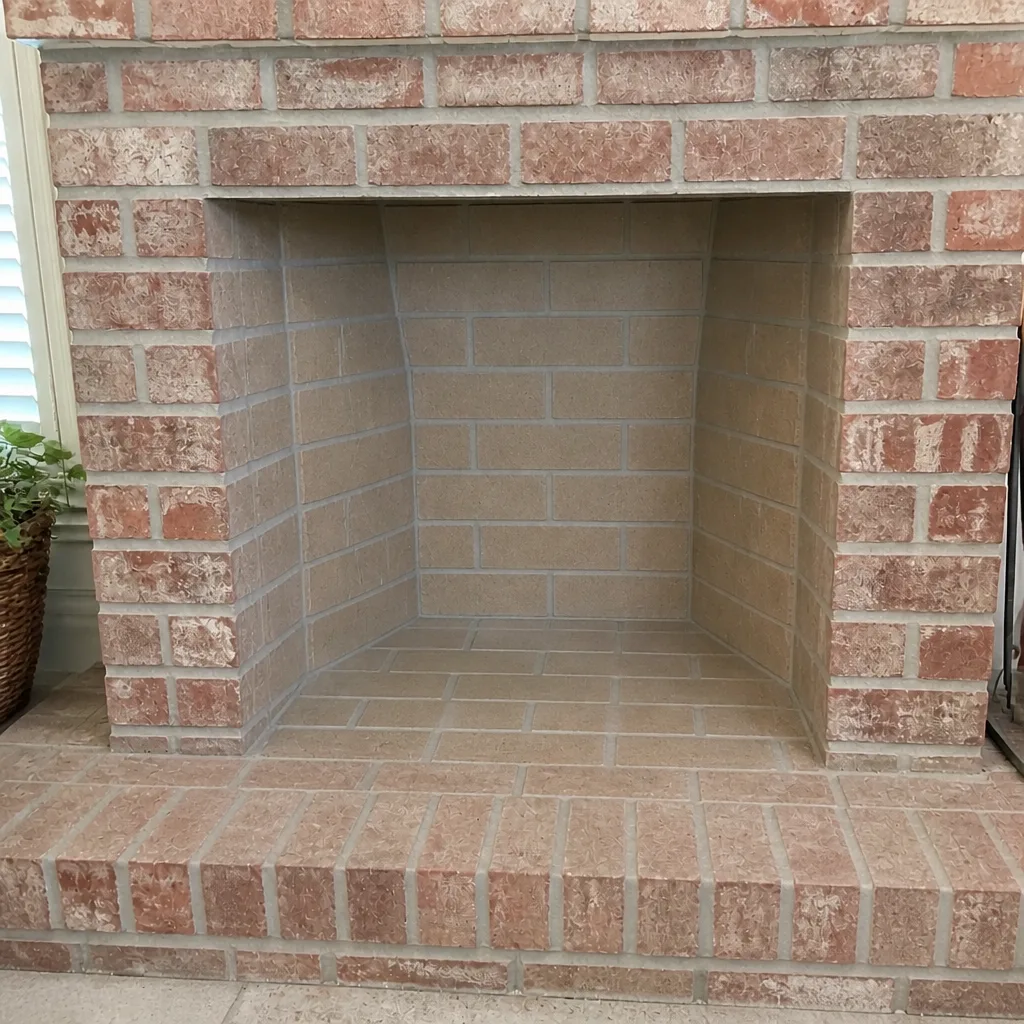
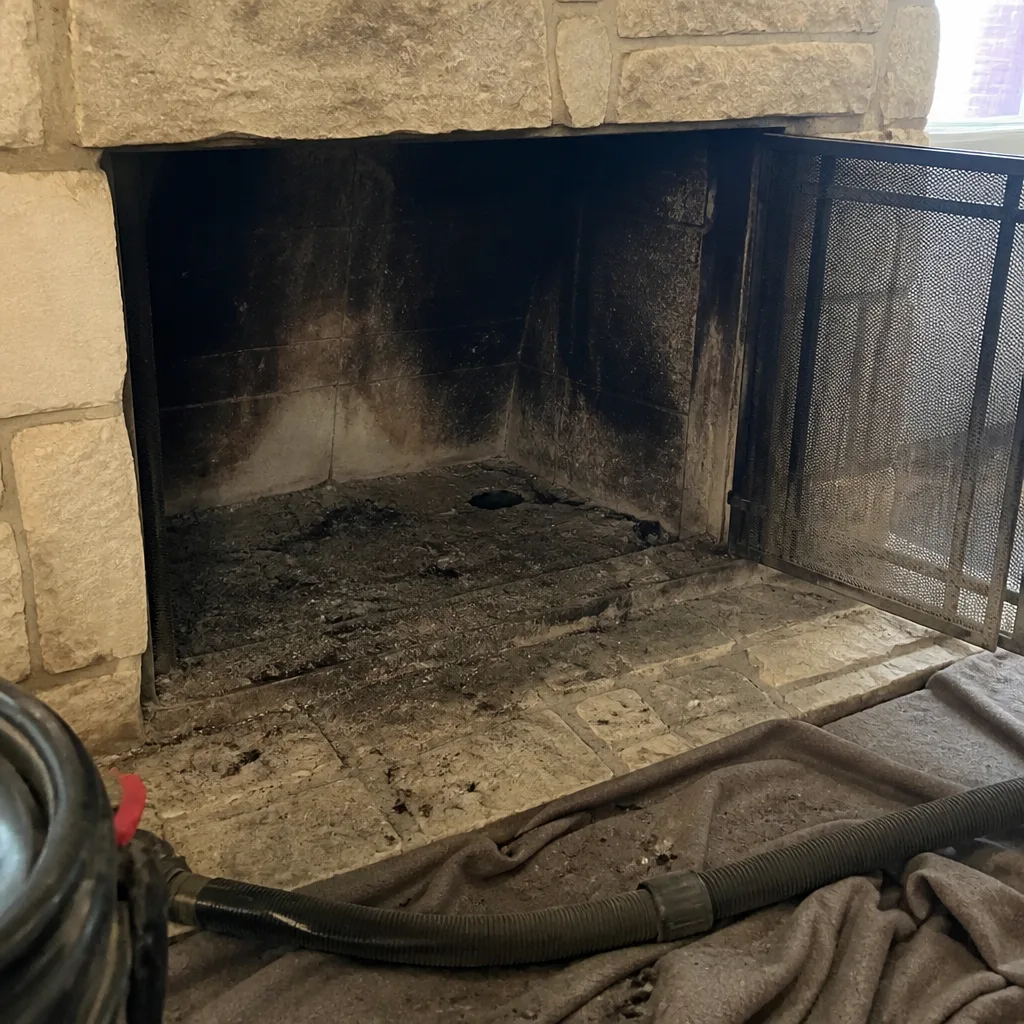
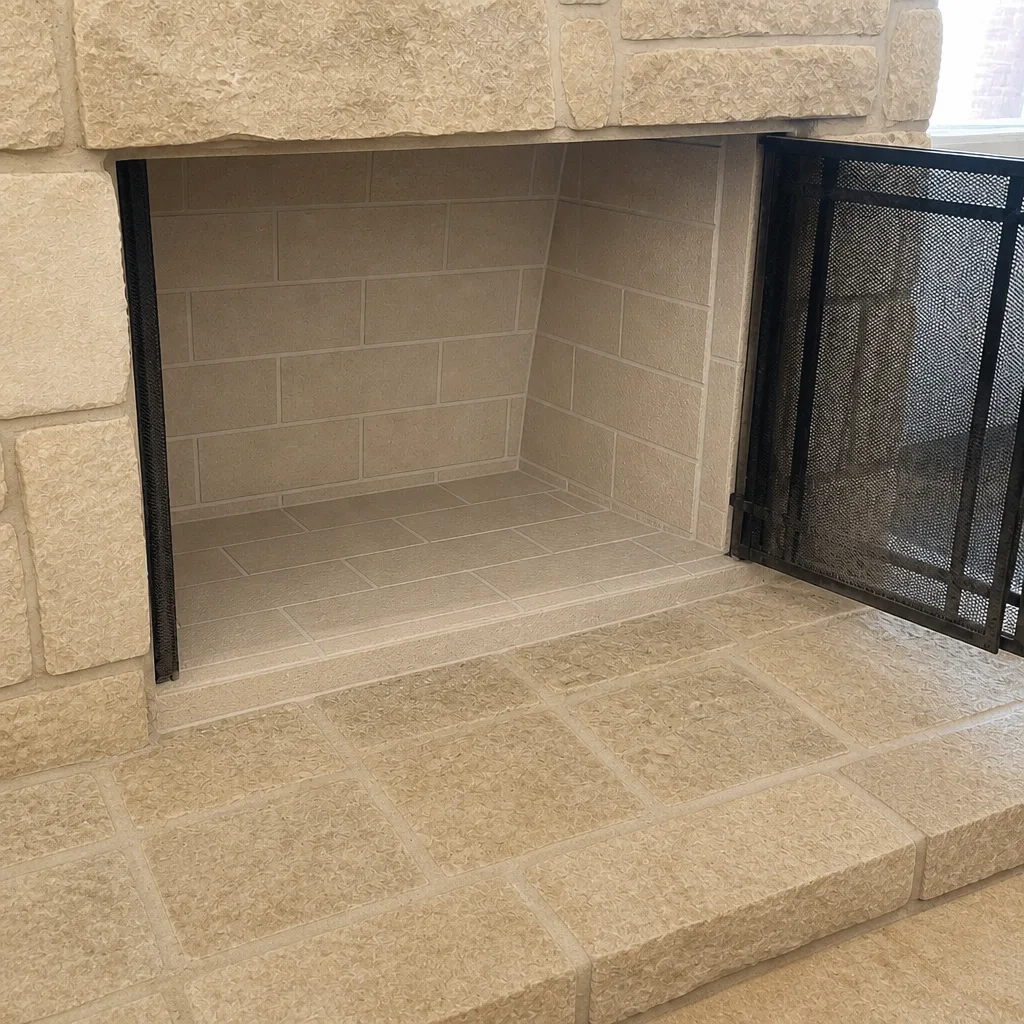
See the difference
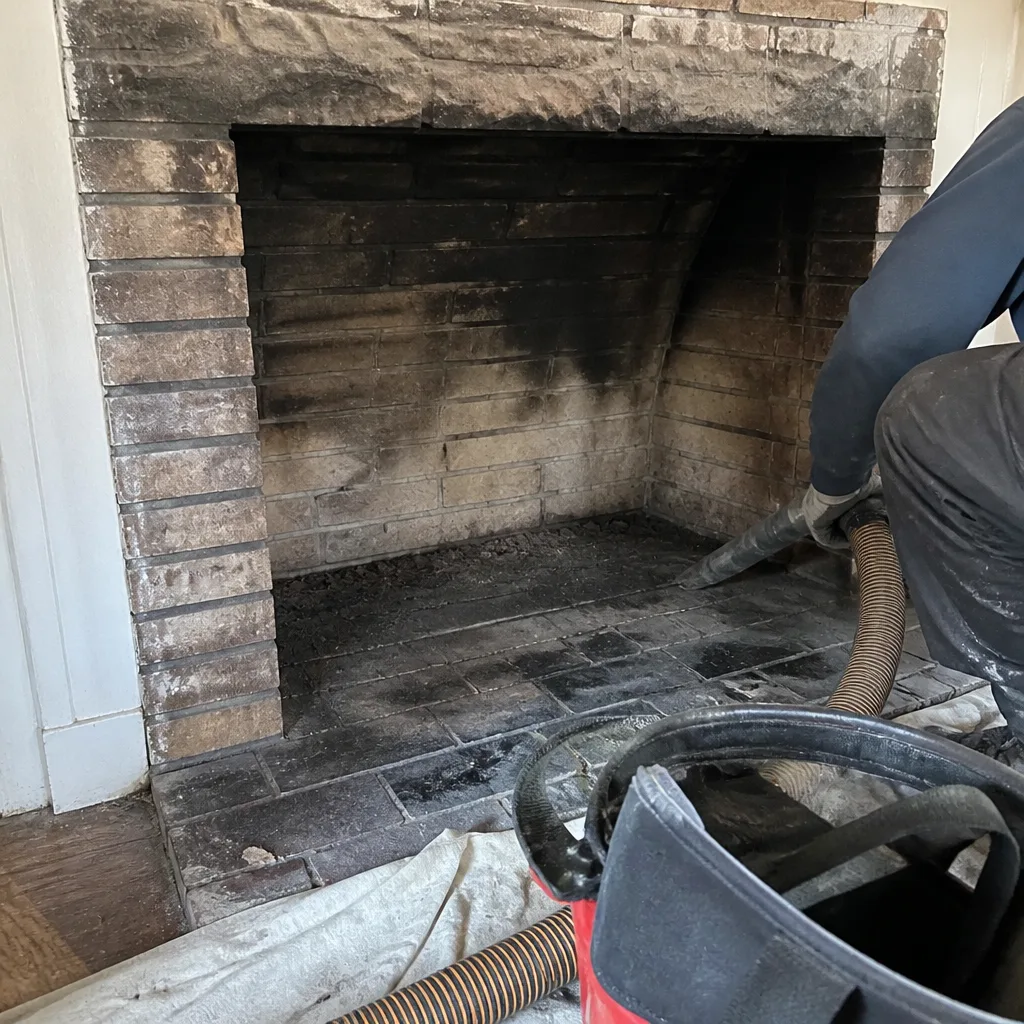 Before
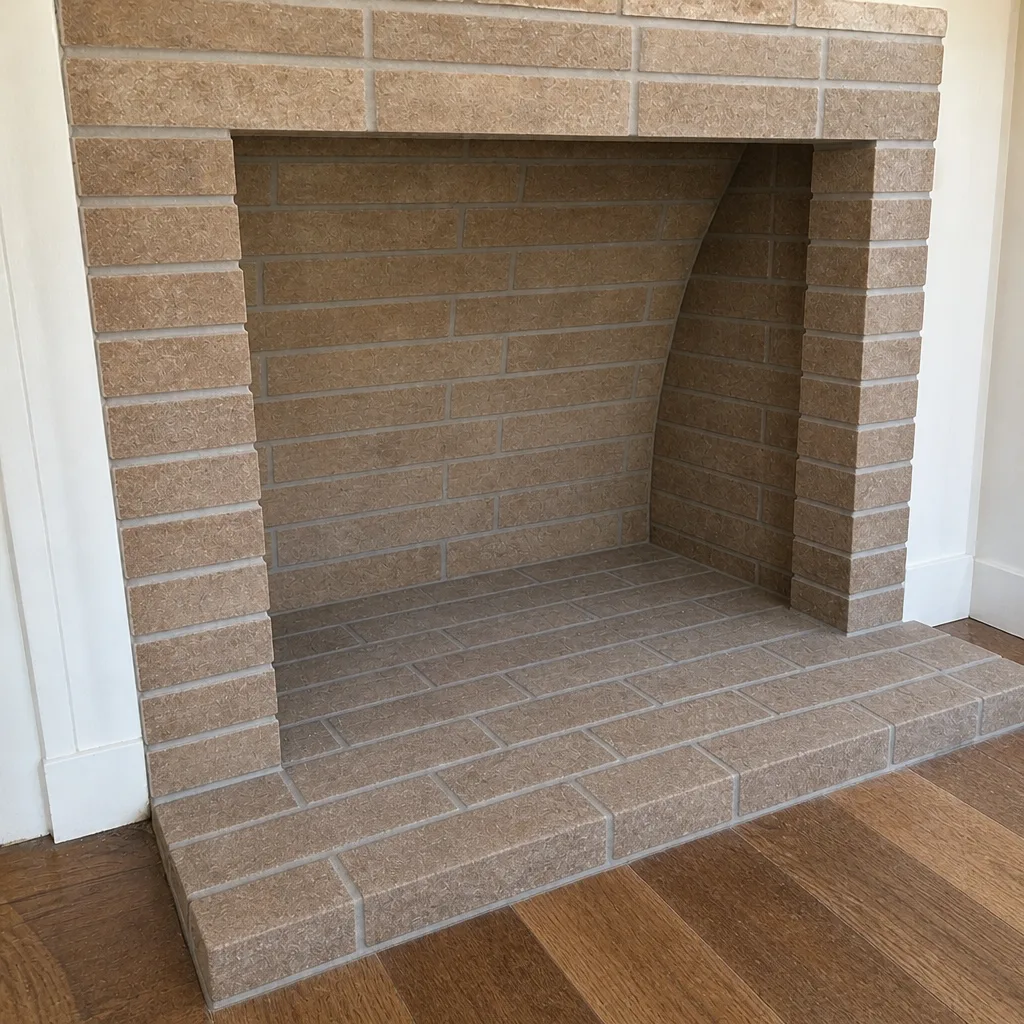 After
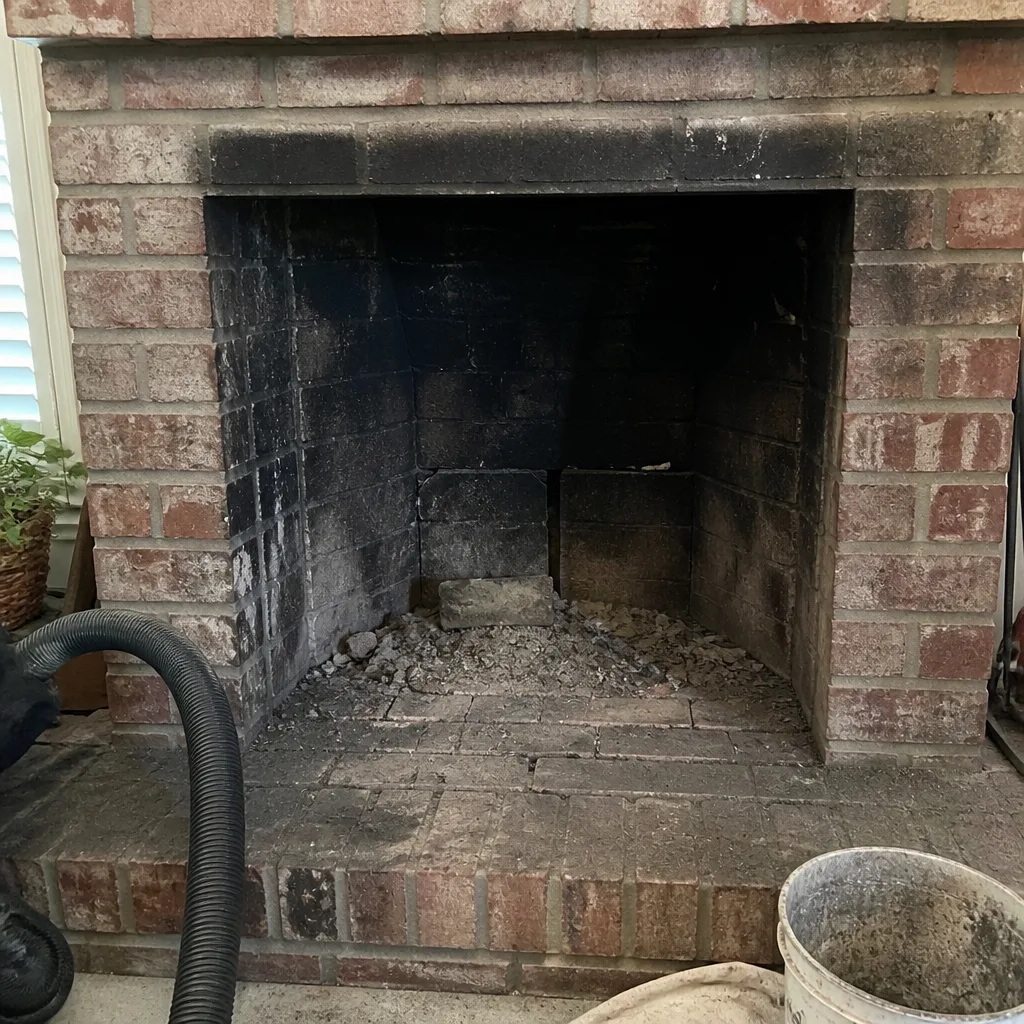 Before
 After
 Before
 After
When to Call a Professional
Call a chimney professional if you’ve had a suspected chimney fire, if your CO alarm has sounded, if you see visible cracking in the firebox or flue, or if smoke or odor is entering the room when the fireplace is running. Call if you’ve moved into a home whose chimney history you don’t know, or if an insert was installed by someone whose work you can’t verify. Call if it’s been more than a season since the last inspection, or if the creosote in the flue is heavy enough that you’re worried about it. And call before you relight after any event that disturbed the flue. Chimney Sweep Tracy offers free estimates in Tracy and covers the full sweep, inspection, and repair workflow with one point of contact. Call (833) 766-1560. We answer 24/7. Fast dispatch from 7am to 7pm, Sunday through Friday.
Frequently Asked Questions
Close the air supply to the fire, get everyone out of the house, and call 911 from outside. Shut the damper and any glass doors to starve the fire of oxygen, then leave without stopping for belongings. Don’t open windows on the fire side and don’t pour water down the flue. Once outside, stay clear of the chimney side of the house. If you’re not sure it’s a chimney fire, treat it as one and call. Call (833) 766-1560 for a post-fire inspection quote. Estimates are free.
A chimney fire makes a continuous roaring or rumbling that sounds like a freight train and doesn’t settle as the wood burns. A normal draft pull is noisy for a few minutes after lighting and then smooths out, following the rhythm of the fire. Other signs of a real fire include thick smoke or flame with sparks out the top of the chimney, intense heat through the surround, and a sharp creosote smell in the room. When in doubt, call 911 and have the flue inspected afterward. Call (833) 766-1560 to book an inspection. Estimates are free.
No. The fireplace or stove cannot be used again until a Level 2 inspection with a camera confirms the liner is intact. A flue that still draws can be cracked or separated inside, and reusing it risks a second fire or carbon monoxide entering the home. The inspection is also what your insurer will likely want for a claim. Call (833) 766-1560 to schedule the inspection. Estimates are free.
Yes. A gas insert vents combustion gases through the chimney, and a blocked or disconnected flue sends those gases into the living space instead of outside. Because there’s no smoke or smell, a CO alarm is often the only warning. This is a real risk in older Tracy neighborhoods where inserts were retrofitted into wood-burning chimneys that were never inspected afterward. Have the insert’s flue inspected, and if a CO alarm ever sounds, leave the house and call 911. Call (833) 766-1560 to book an insert inspection. Estimates are free.
The exact price depends on the flue and the level of inspection, and we set it per job with a written estimate. The estimate itself is free. After a chimney fire, a Level 2 inspection with camera photos is the standard, and that report is what adjusters and fire departments expect. Call (833) 766-1560 for a free estimate. We answer 24/7. Fast dispatch from 7am to 7pm, Sunday through Friday.
Document before cleanup: photos of the chimney, firebox, and any smoke or soot staining, plus a written timeline and the fire department’s incident report. The key document is a Level 2 inspection report with camera evidence of the flue, which most adjusters ask for on a chimney fire claim. Keep receipts for any displacement costs and note each conversation with your insurer. Don’t clean or authorize repairs before the inspection and before talking with your adjuster. Call (833) 766-1560 to schedule the inspection report. Estimates are free.
The Bottom Line
Chimney emergencies reward preparation and punish delay. The first three moves in a chimney fire are close the air supply, get out, and call 911, and none of them require equipment. After any suspected fire, the flue stays off until a Level 2 inspection with a camera confirms it’s intact. Gas inserts need the same attention, because a blocked flue produces carbon monoxide with no warning. A CO alarm, a pre-season sweep and inspection, and one trusted contact for any repair work cover most of the risk. If you’re in Tracy and you haven’t had your flue inspected, that’s the decision to make now, while nothing is burning.
If it’s time to schedule a sweep, an inspection, or a repair, reach out. We work with professional-grade components from DuraFlex, HeatShield, Gelco, Olympia Chimney, Famco, and Copperfield, and we tell you what we found rather than what grows the invoice. Call (833) 766-1560 for a free estimate. We answer 24/7. Fast dispatch from 7am to 7pm, Sunday through Friday.
Written by the team at Chimney Sweep Tracy.