
Last updated November 16, 2026
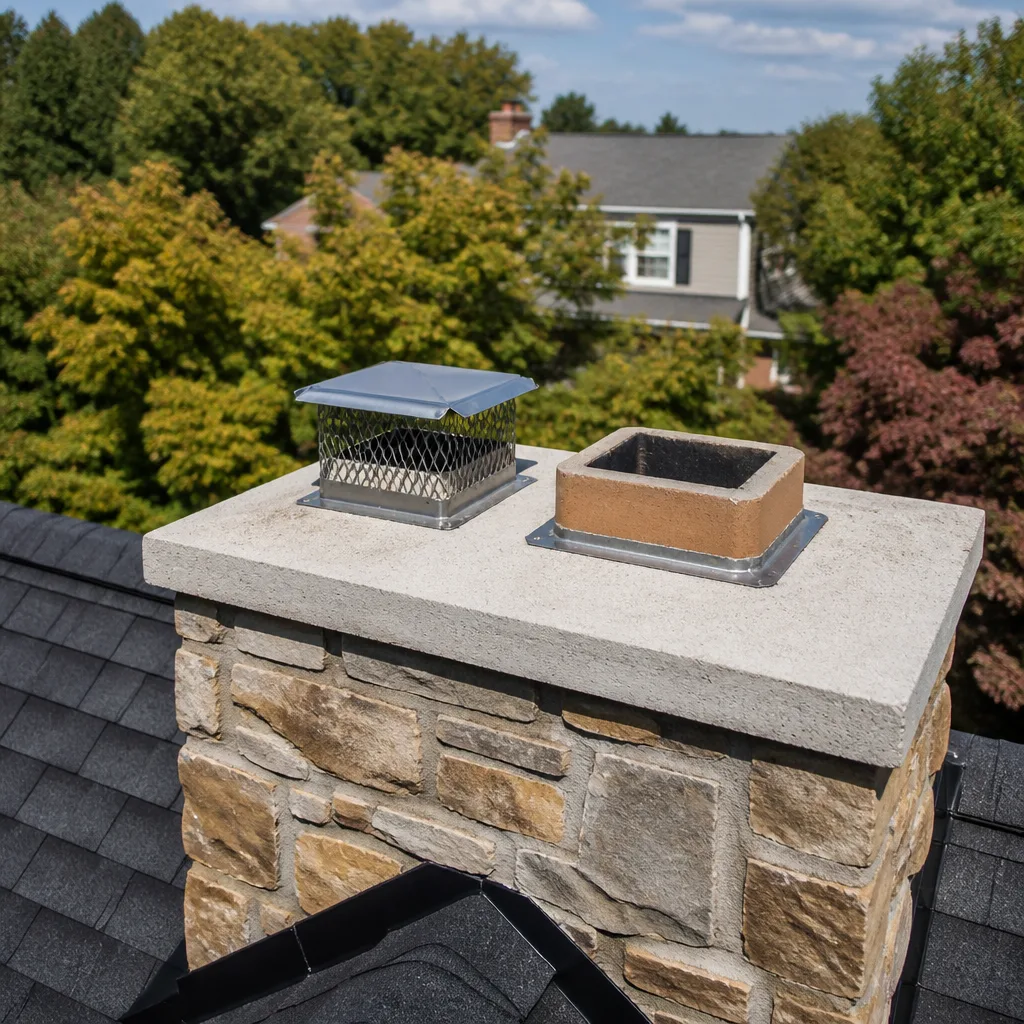 Sweep & inspection
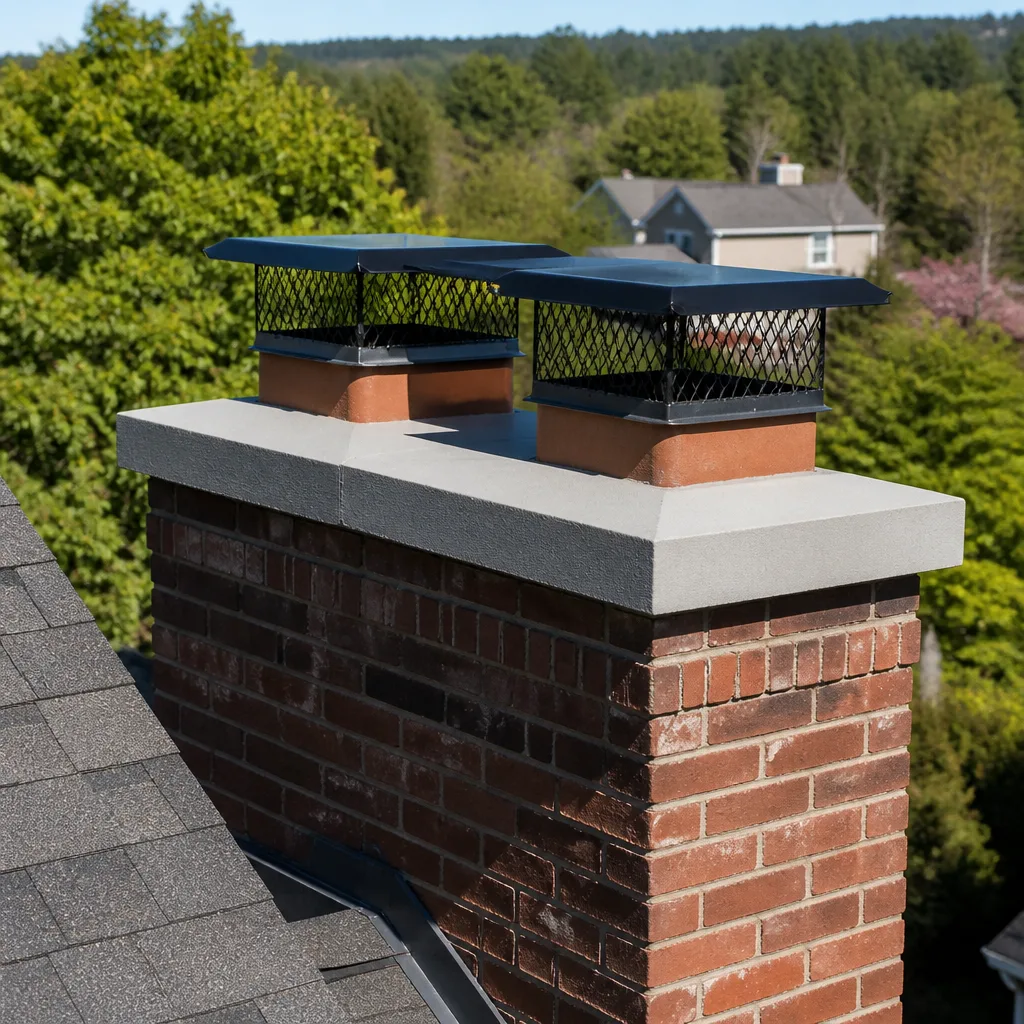 Caps & crowns
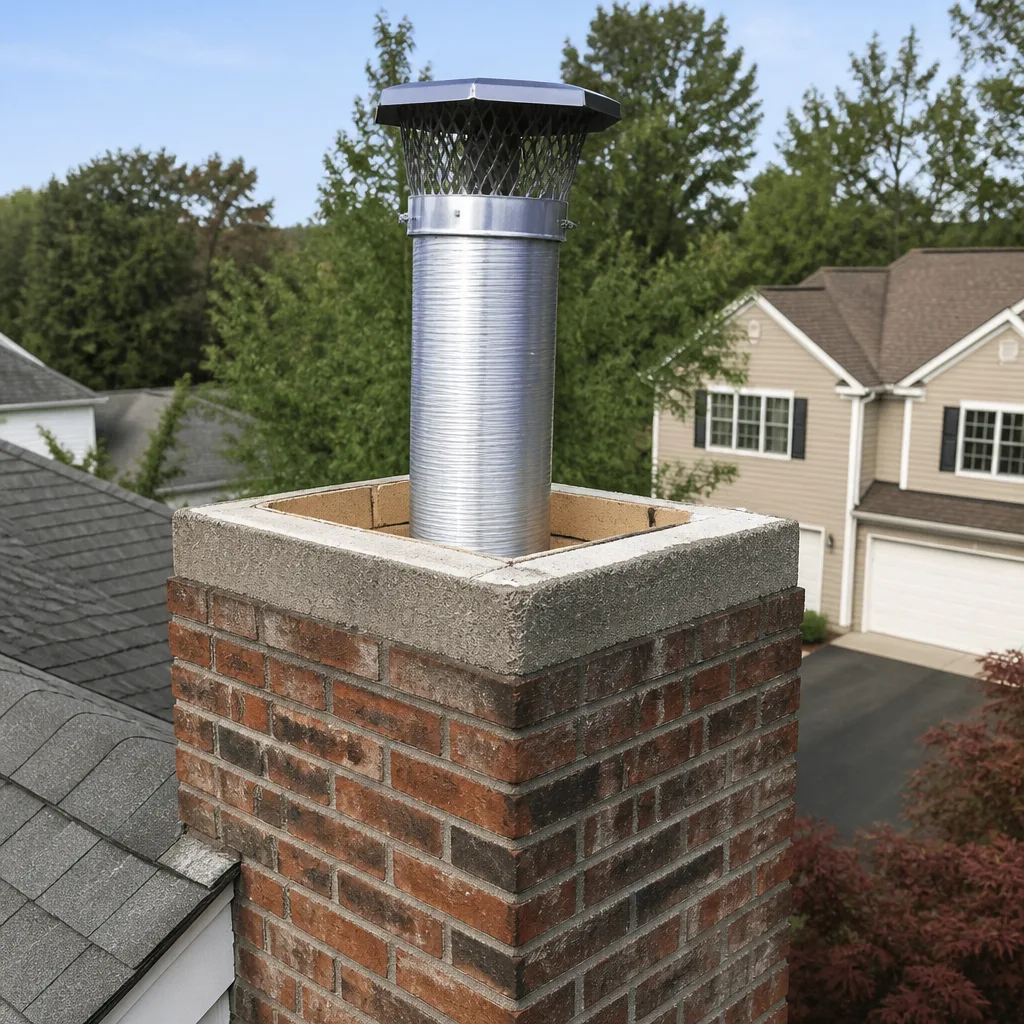 Flue relining
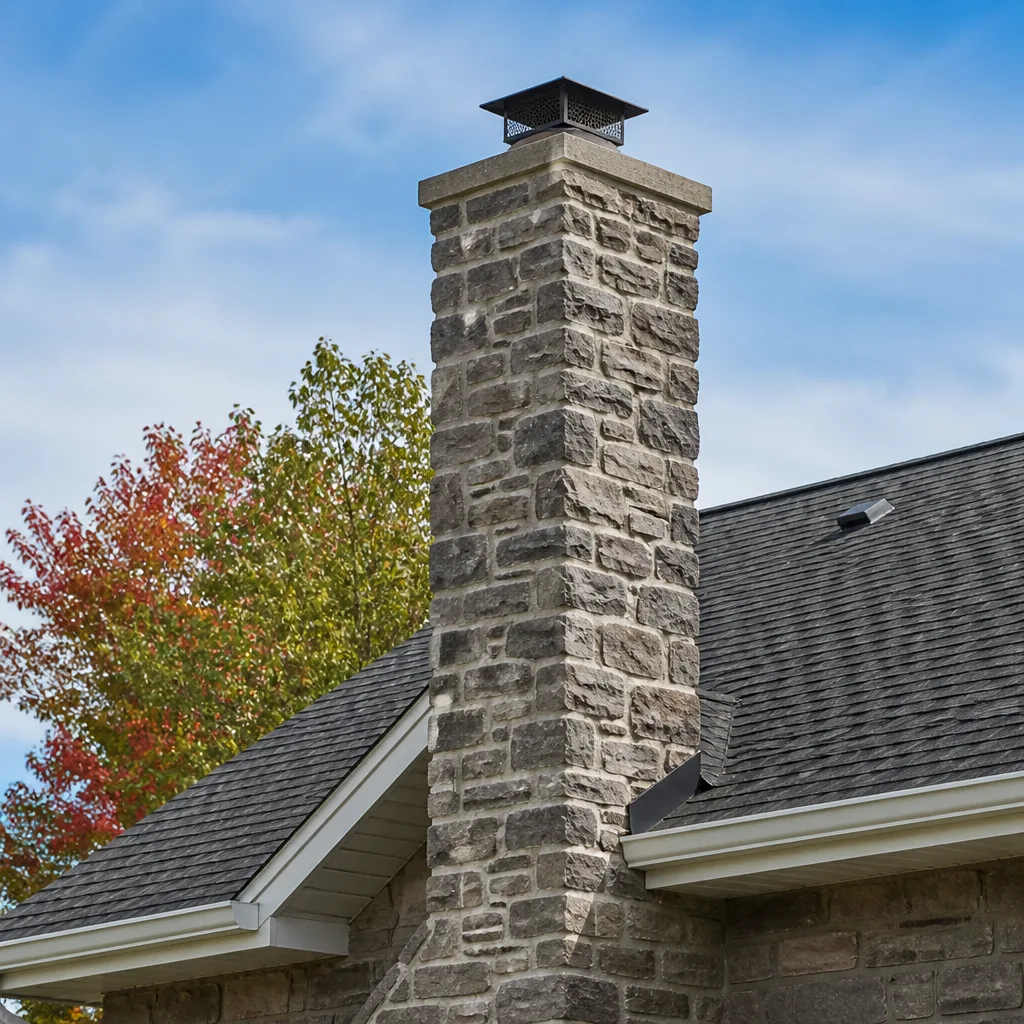 Masonry repair
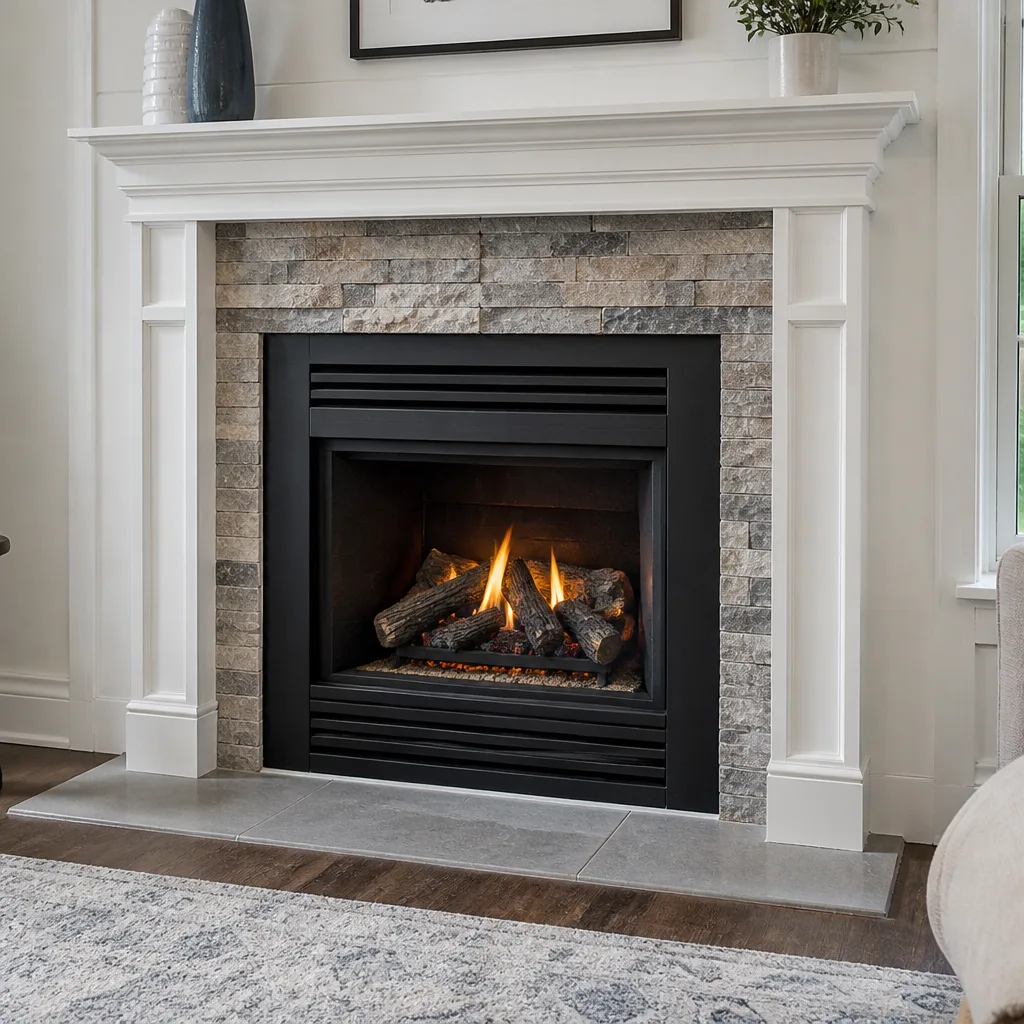 Gas fireplace service
Level 1 sweep and inspection to the NFPA 211 annual standard - flue, crown, cap, and flashing checked and photographed
Chimney sweep logs do not sweep chimneys. They loosen some creosote - which then falls where a brush and vacuum still have to collect it.
Seasonal Chimney Cleaning Care for Tracy: Year-Round Homeowner’s Guide
The chimney on a Tracy home that sits unused from April through October isn’t resting. It’s collecting valley dust, absorbing condensation cycles, and potentially hosting starlings. A fireplace that goes cold in spring and stays cold until the first cool evening in November is still aging every day in between, and the damage that builds up off-season is the kind homeowners end up paying to fix in December, when they’d rather be burning wood. We treat chimney care as four seasons of work, not one. This guide walks through what actually happens to a chimney in Tracy month by month, what to check and when, and how to line up a sweep, an inspection, and any repair through one point of contact.
Quick Answer
Chimney care in Tracy is a year-round job, not a fall-only one. Spring is for assessing mortar and moisture after the burn season, summer is when an uncapped flue bakes under intense Central Valley heat and degrades fastest, fall is the correct window to sequence cap, crown, flue, and damper before the first fire, and winter is for monitoring creosote against your actual burn rate. Homes here typically burn two to four fires a week through a short December-to-February season, so a single annual sweep scheduled before that season is what keeps the flue safe and a written condition report gives you something to act on.
Styles & brands we work with
- Sweep & inspection
- Caps & crowns
- Flue relining
- Masonry repair
- Gas fireplace service
Table of Contents
- Why Year-Round Chimney Care Matters in Tracy
- Spring (March-May): Post-Season Moisture and Mortar
- Summer (June-August): Uncapped Flues and Heat Stress
- Fall (September-November): The Correct Pre-Season Sequence
- Winter (December-February): Mid-Season Creosote Monitoring
- Wildlife: How Starlings Become a Fall Fire Risk
- Common Mistakes to Avoid
- When to Call a Professional
Why Year-Round Chimney Care Matters in Tracy
Most homeowners in Tracy think about the chimney twice: when they light the first fire and when something smells wrong. The problem is that a chimney doesn’t wait for a fire to deteriorate. It’s exposed to the weather 365 days a year, and in this part of the Central Valley the weather is doing real work on it outside the burn season.
Here’s the compression problem. Tracy’s fireplace season runs roughly December through February, maybe a little into March on a cool year. That’s four months of active burning and eight months of the flue sitting idle. During those eight months, three things keep happening:
- Thermal cycling. Summer afternoons push the masonry and the metal components hot, then they cool overnight into the 50s and 60s. That expansion and contraction works on mortar joints and on the bond between clay tile and the surrounding masonry.
- Moisture intrusion. Winter rains soak into an uncapped or poorly capped chimney. Once moisture is inside the flue structure, it migrates through the masonry and finds the weakest mortar. When it evaporates under summer heat, it leaves efflorescence (the white salt staining) and, over time, crumbling mortar.
- Dust and debris. Tracy sits in a valley, and the wind moves fine dust and agricultural particulate year-round. A flue that’s open and unsealed collects it, along with leaves and whatever the birds bring in.
The homeowners who understand these off-season threats spend less on repairs over time. Not because they’re lucky, but because they catch early-stage problems while they’re still cheap. A mortar joint that’s starting to recede in April is a small repair. The same joint after a summer of heat and a winter of rain is a rebuild. We’d rather you hear the honest assessment in spring than the expensive version in November.
Spring (March-May): Post-Season Moisture and Mortar
Spring is the assessment season. The last fire has burned down, and before the summer heat starts stressing the structure, this is the window to find out what the winter did.
What a spring assessment looks at, in order:
- Water staining and efflorescence. White powdery deposits on the exterior masonry are a sign moisture is moving through the brick or stone. That moisture is coming from somewhere, and the source matters more than the stain.
- Crown condition. The crown is the sloped concrete cap at the very top of the chimney. It’s supposed to shed water away from the flue. A cracked crown sends water straight down into the masonry. Small hairline cracks are common after a wet winter; a crown that’s separating from the flue is a repair.
- Mortar joints. Recessed or crumbling mortar between bricks is the classic sign of moisture damage. Spring is the ideal time to catch it, because you have the whole summer to schedule the work before the burn season returns.
- Flashing. The metal where the chimney meets the roof is a leak point on nearly every chimney. Famco flashing systems are the professional-grade choice for this kind of work because they’re specified by chimney contractors specifically, not chosen off a general hardware shelf.
- Interior flue condition. A camera inspection from the top down and the bottom up shows whether the clay tile liner has cracked or spalled over the winter. This is also where you find out if a bird has taken up residence.
Spring is when we recommend scheduling a full inspection. A chimney sweep and inspection in spring catches the winter’s moisture damage while it’s still a small repair, and the written report gives you a list to work from over the summer. It’s also the least crowded time of year for chimney work, which means less waiting between the call and the appointment.
Summer (June-August): Uncapped Flues and Heat Stress
Tracy regularly sees summer temperatures over 100°F, and an uncapped flue under that kind of heat is doing something a capped one isn’t: cycling hard every single day.
Here’s the mechanism. During the day, the sun heats the clay tile liner and the masonry around it. At night, both cool. This daily expansion and contraction works on the liner tile joints, on the mortar bonding the tiles, and on the crown. A clay tile liner that’s already got a hairline crack in spring can spall and separate by August under that cycling. Once the liner is compromised, the next fire sends heat and combustion gases past it into the surrounding masonry, which is exactly what the liner exists to prevent.
A cap solves most of this. What a proper cap does:
- Blocks direct sun off the flue opening, which moderates the daily temperature swing on the top of the liner.
- Keeps rain, dust and debris out of the flue during the eight months the chimney isn’t in use.
- Stops birds and other wildlife from entering the flue to nest (more on that below).
- Maintains the draft. The cap sits on legs or a screen that allows exhaust out while keeping rain and animals out. A cap that’s too restrictive or incorrectly sized will hurt draft, which shows up as smoke in the room on the first fall fire. Getting the cap specification right matters more than most homeowners expect.
The brands we work with matter here too. A cap that’s built to be part of a proper termination system, rather than a decorative insert, is what holds up. We use Olympia Chimney and Gelco components as part of full systems because they’re the same product lines professional chimney contractors specify by name, and they’re sized to fit the flue properly rather than approximately.
Summer is also the right window to schedule any liner work. If the spring inspection found a compromised clay tile liner, relining with DuraFlex stainless liner systems in July gives the new liner months to settle before you’re burning in December. DuraFlex flexible liner systems handle complex offset configurations that rigid liners can’t, which is a real advantage on older Tracy homes where the flue doesn’t run perfectly straight. If the flue structure is still sound and the issue is surface cracking, HeatShield ceramic resurfacing can restore the liner without full relining. Which option is right depends on the flue, not on what sells the bigger job.
Fall (September-November): The Correct Pre-Season Sequence
Fall is when everyone thinks about the chimney, and it’s the season where the order of work matters most. Doing the steps out of order means redoing some of them.
The correct sequence:
- Cap first. Get the cap on before any rain or debris gets in. If you sweep the flue before capping it and it rains the next week, you’ve got a wet flue again. The cap goes on and stays on.
- Crown second. Any crown repair needs to be done, sealed, and given time to cure before the rain season. A crown that’s still curing in October when the first real storm comes through will have water sitting against it during the cure window, which compromises the repair.
- Flue third. This is where the sweep and inspection happen. Sweep the flue, run the camera, document the condition. If the inspection shows a needed reline or resurfacing, you have a few weeks to get it scheduled before the first fire. If the flue is sound, you’re done.
- Damper last. The damper is checked and adjusted at the end, after everything above it is done. A damper that’s been sitting all summer can stick or fail to seat. Checking it as the last step means you’re not disturbing freshly cleaned flue components when you open and close it.
We’ve seen plenty of homeowners sweep in September and cap in November, and that’s backwards. Every rain event between the sweep and the cap puts moisture back into the flue. Sequence matters as much as the individual work.
Fall is also when the annual inspection should happen. The written condition report is the single most useful document a homeowner gets, because it lists exactly what the flue needs in order, so you can decide what to do now and what can safely wait. That’s the work of a proper chimney repair plan, and it should be on paper.
Winter (December-February): Mid-Season Creosote Monitoring
Most Tracy homeowners burn two to four fires a week through the season. That’s a useful benchmark, because creosote accumulation depends on burn rate and burn conditions more than on total hours.
Creosote forms when wood smoke cools before it exits the flue. It deposits as a tar-like substance on the liner wall, and it builds faster under three conditions:
- Burning green or unseasoned wood. The moisture in wet wood has to boil off, which cools the flue gas and deposits more creosote.
- Smoldering fires. A fire that’s starved of air produces more smoke than heat, and smoke is what deposits.
- A cold flue. The first fire of the season on a cold flue deposits more than later fires on a warm one.
At two to four fires a week, a typical Tracy home is looking at one sweep per season. If you’re burning more than that, or if you’ve had a chimney fire, the frequency goes up. The creosote stages are worth knowing: first-degree is a light soot you can brush off; second-degree is a crusty deposit; third-degree is glazed, tar-like, and is a genuine fire hazard that requires professional removal. A mid-season check in late January, when you’re halfway through the season, tells you which stage you’re at and whether the flue needs attention before the season ends.
The damage from a chimney fire doesn’t always announce itself. It can crack the clay tile liner or open joints in the masonry, and the next fire sends combustion gases through that crack. A chimney fire is a reason to get a full camera inspection, not a reason to sweep and move on. If it’s carbon monoxide you’re concerned about, that’s the mechanism: a compromised flue letting exhaust enter the home instead of exiting it.
Wildlife: How Starlings Become a Fall Fire Risk
European starlings are the most common chimney squatter in Tracy, and their nesting season in spring is why fall inspections turn up problems no one expected.
The pattern is consistent. Starlings find an uncapped flue in April or May and build a nest in it. The nest consists of twigs, grass, and whatever else the bird finds, jammed up against the flue wall or partially blocking the flue. The birds leave or are evicted, and the nest stays behind. Through the summer it dries. By fall, the flue has a dry, highly combustible bird nest in it that’s often invisible from the firebox.
When the first fire lights in November or December, that nest is directly in the path of the hot exhaust. It can ignite, or it can restrict draft enough to push smoke into the living space. Homeowners notice either a smell they can’t place, a fire that doesn’t draft right, or a visible obstruction when the camera goes down the flue.
Starlings also carry pests. A nest that’s been in the flue all summer can leave behind mites or other insects that work their way into the firebox area. That’s one more reason the annual inspection should include camera documentation rather than a quick visual check from the firebox.
The prevention is simple and it’s the same cap specification from the summer section. A screen-topped cap sized correctly to the flue opening keeps birds from entering at all. The work of a proper animal guard is a chimney cap, not a separate product, and it’s the upgrade we recommend most often to Tracy homeowners who haven’t had one.
Common Mistakes to Avoid
- Treating fall as the only season that matters. The eight off-season months are when mortar, crown, and flue liner actually degrade, and a fall-only sweep misses everything that happened between March and September. Spring assessment catches moisture damage before the summer bakes it in.
- Burning before the flue has been inspected. Lighting a fire in an uninspected flue is how a bird nest, a cracked liner, or heavy creosote turns into a chimney fire. A camera inspection isn’t optional if you haven’t burned the previous season.
- Sweeping before capping. In Tracy’s fall, rain events between a September sweep and a November cap put the moisture right back into the flue. The cap goes on first.
- Using hardware-store generic chimney caps. A cap sized approximately to the flue doesn’t do the job. Draft restriction, improper fit, and rust-through are the usual failure modes. Use caps from professional-grade lines like Olympia Chimney and Gelco that are specified for the application.
- Skipping a camera inspection because the sweep “looked fine.” A sweep cleans it; an inspection tells you what it actually needs. The inside of a flue at the top and the bottom is where the real condition shows up, and that’s what the camera documents.
- Burning wet or unseasoned wood to save money. Green wood cools flue gas and deposits creosote faster. It costs more in chimney cleaning than it saves in firewood.
- Treating a chimney fire as “just noise.” If you’ve had one, get a full inspection. The liner damage from a chimney fire is often invisible from outside.
When to Call a Professional
Some of this guide is check-and-observe work you can do. The actual flue work, camera inspection, liner assessment, and anything involving masonry at height is work for a trained chimney professional. Here’s what warrants a call:
- A cracked or separating crown, or mortar joints that are visibly crumbling.
- Efflorescence (white staining) on the exterior masonry.
- Smoke backing into the room, or a persistent smell in the firebox.
- A chimney fire, even a small one, or a rumbling noise you can’t explain.
- Any flue that’s never been inspected, or hasn’t been inspected in a few seasons.
- A bird nest, or birds visible near the flue opening in spring.
Chimney Sweep Tracy offers free estimates in Tracy. One call covers the sweep, the inspection, and any repair through a single contractor, so you’re not sourcing a sweep, then waiting on a separate repair crew, then waiting again for a second inspection. Call Chimney Sweep Tracy at (833) 766-1560. We answer 24/7. Fast dispatch from 7am to 7pm, Sunday through Friday. Our technicians have up to experience, and the work uses components from DuraFlex, HeatShield, Gelco, Olympia Chimney, Famco, and Copperfield.
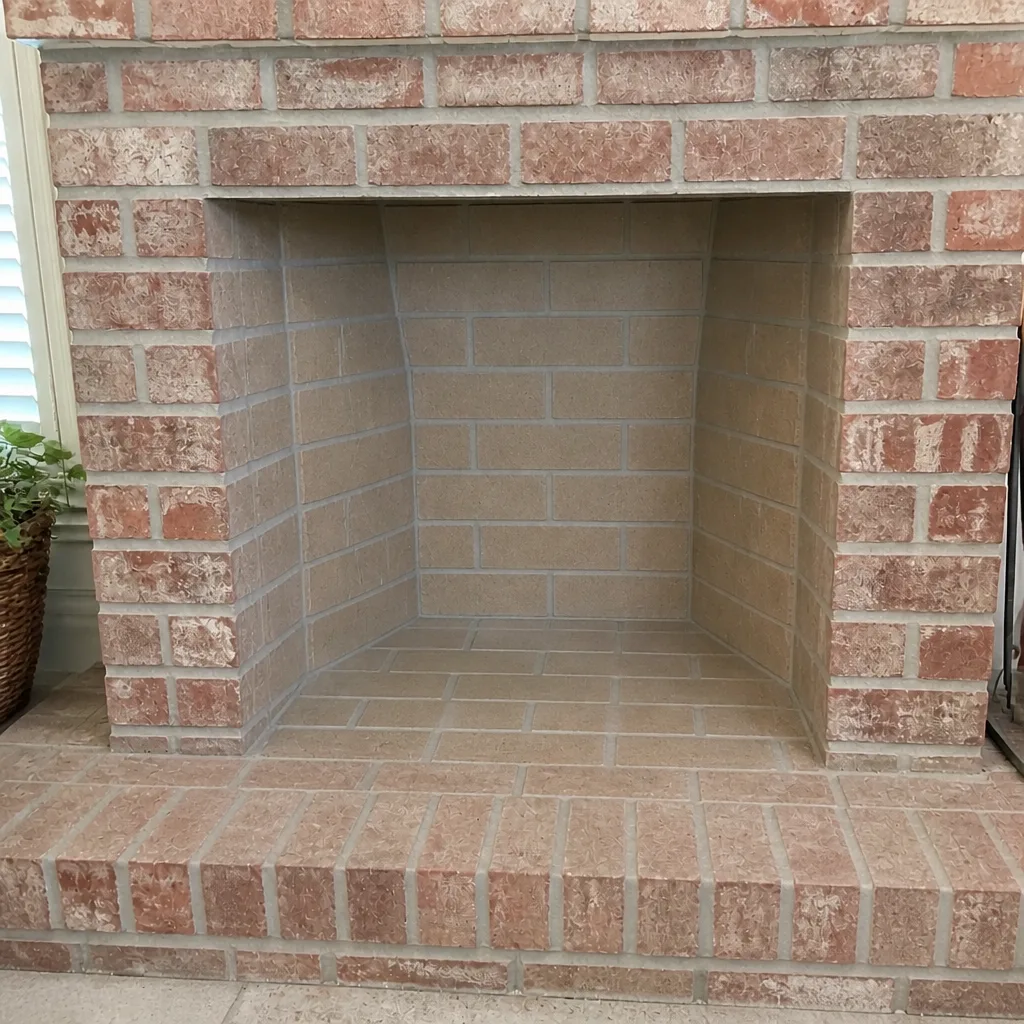
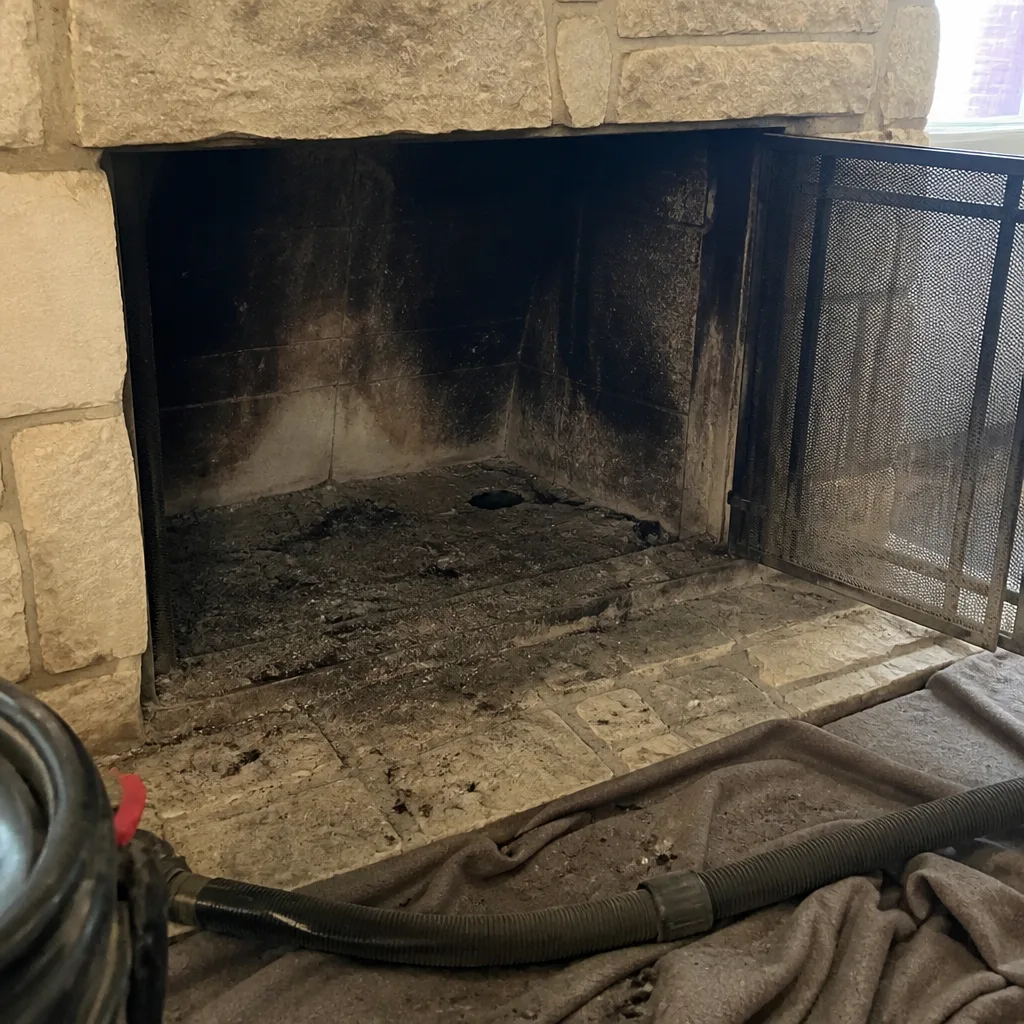
See the difference
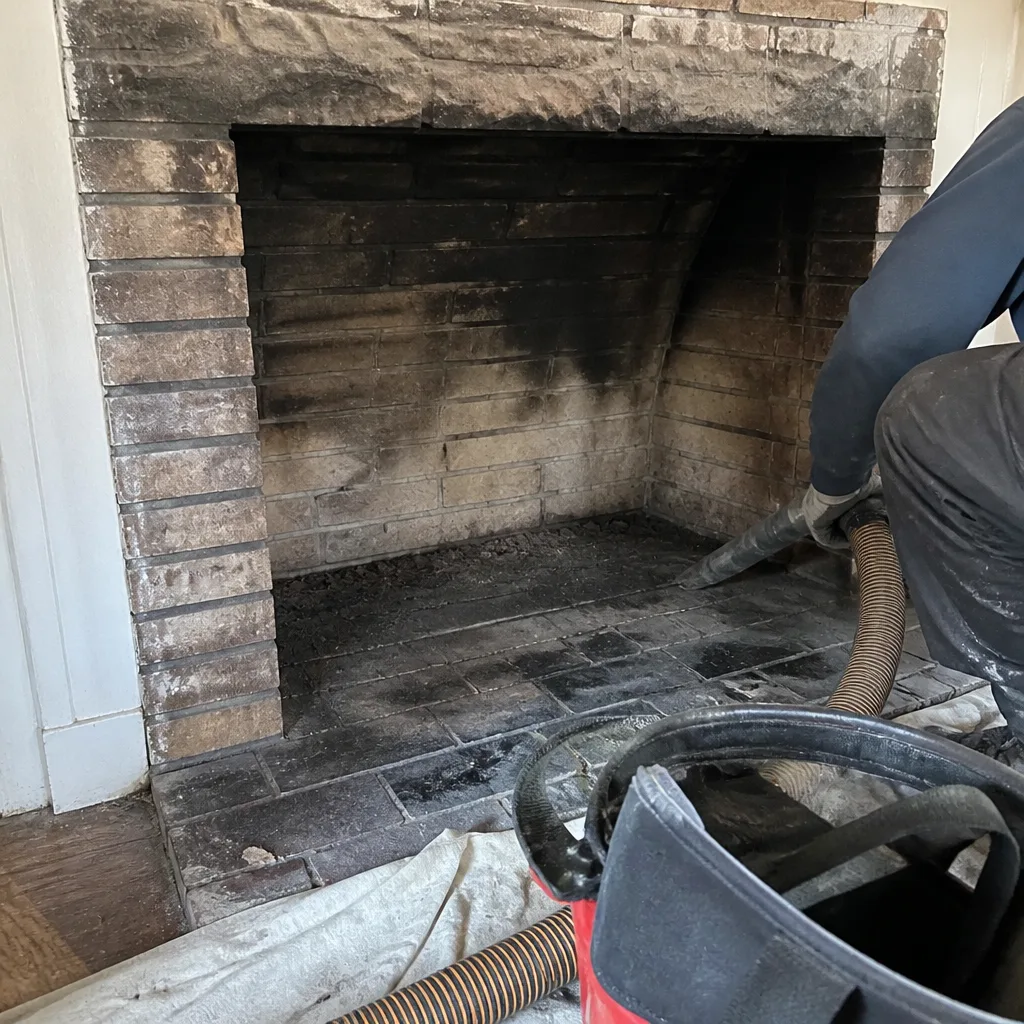 Before
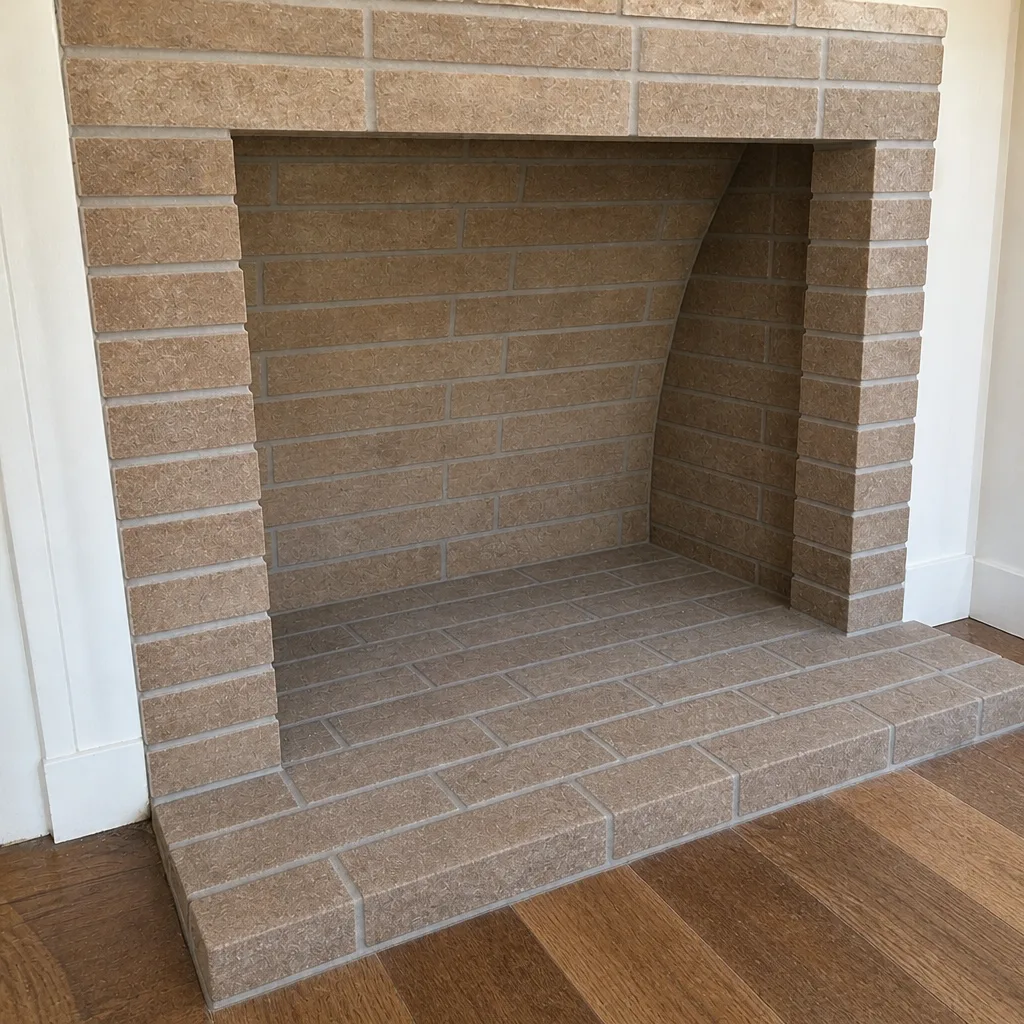 After
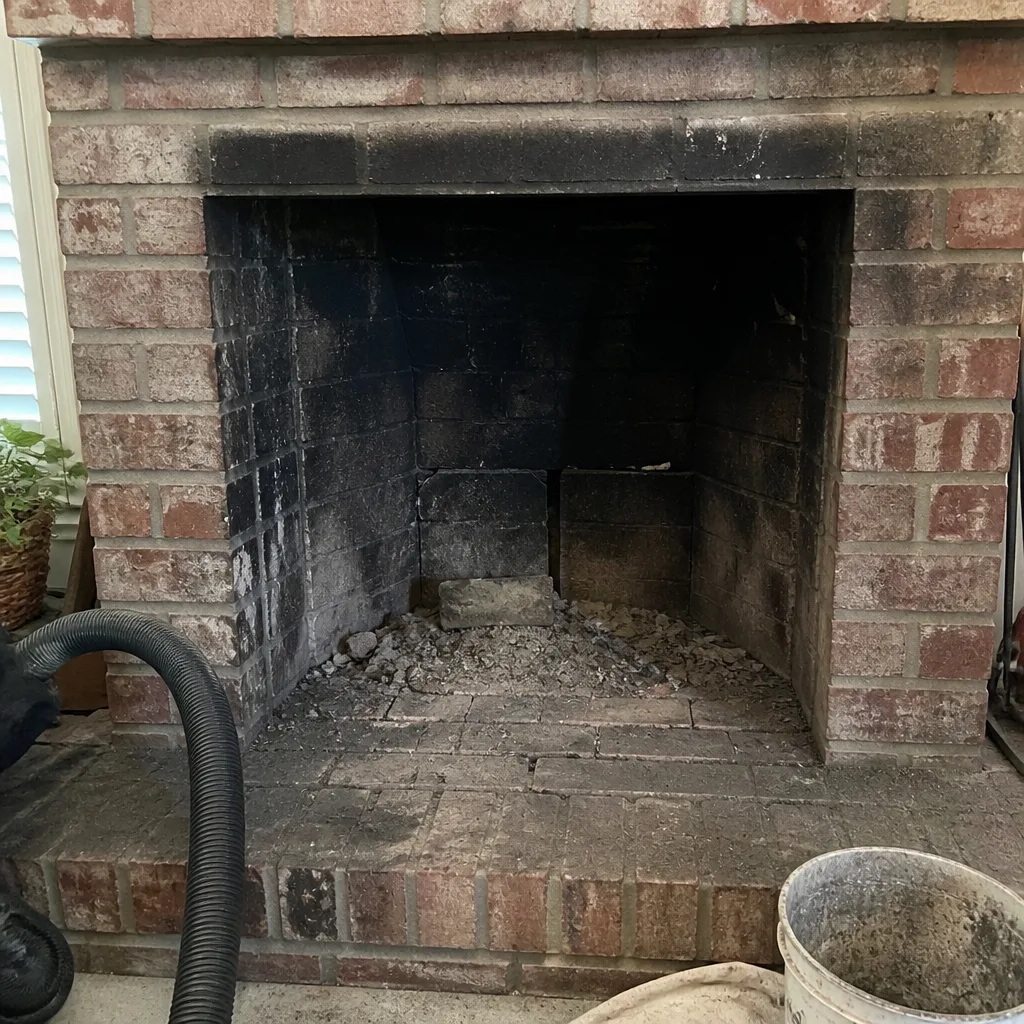 Before
 After
 Before
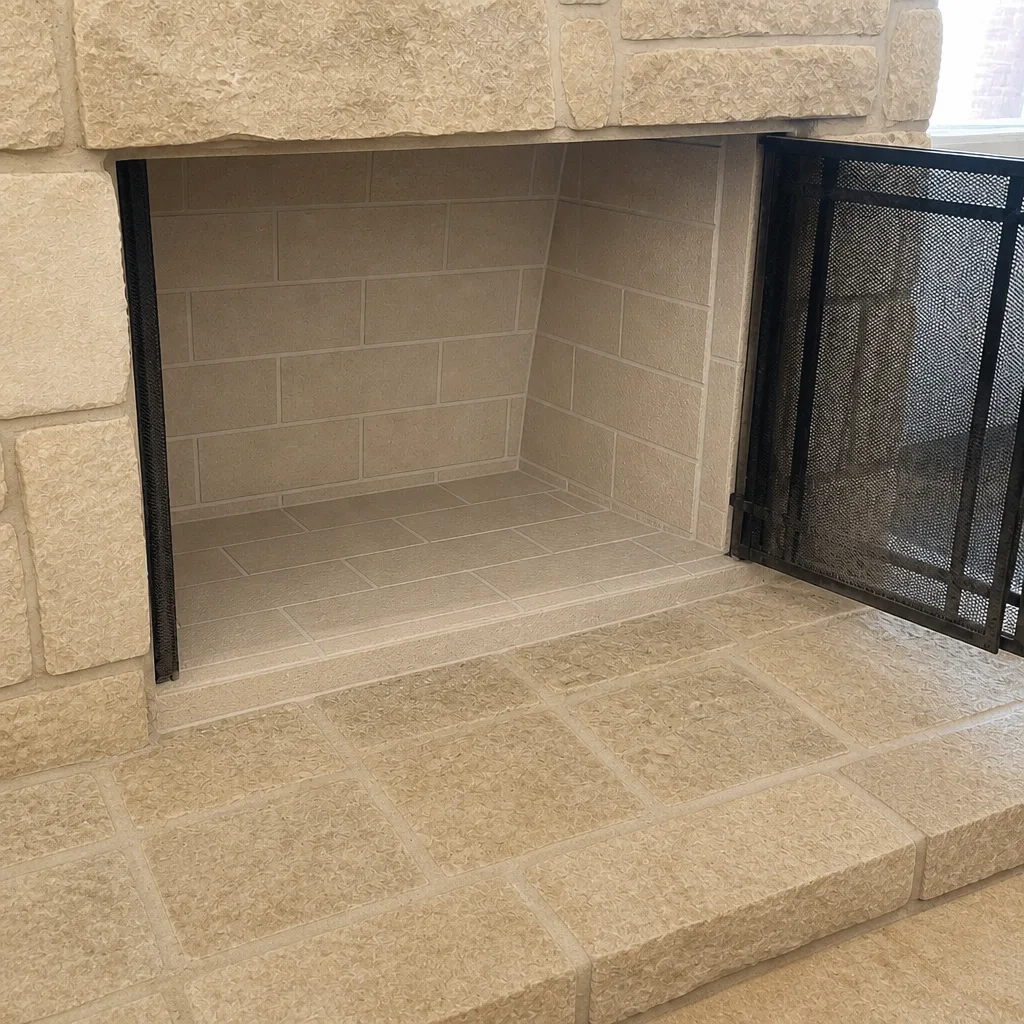 After
Frequently Asked Questions
Yes, if you burn at all. At the typical Tracy rate of two to four fires a week through a short season, a single annual sweep before the burn season handles the creosote load. If you burn more or burn wet wood, the frequency goes up. Call (833) 766-1560 for a free estimate if you’re not sure what your flue needs.
Once a year for a home that burns through a normal season, and more often if you burn heavily or notice smoking or odor. The annual inspection in spring or fall is the right time to confirm the flue is sound before the next burn season. Call (833) 766-1560 for a written assessment of what your chimney actually needs.
Creosote builds to third-degree glazed stage, which is a chimney fire hazard, and the off-season moisture damage to mortar and crown progresses. The repair costs grow faster than the sweep costs, which is the honest reason a single annual sweep pays for itself. Call (833) 766-1560 for a free estimate before the next season.
Yes. Summer temperatures over 100°F cycle the clay tile liner daily through expansion and contraction, and an uncapped flue collects dust, rain, and bird nests through the eight off-season months. A correctly specified cap blocks all of it and protects the liner. Call (833) 766-1560 to get the cap done before the burn season.
The estimate is free and the price is set per job by the written estimate after we’ve inspected the flue. The written report tells you what needs doing now and what can safely wait, so you’re not guessing. Call (833) 766-1560 for the free estimate and the written condition report.
Yes. European starlings build nests in uncapped flues in spring, and a dried nest sitting in the flue through the summer is combustible by the time the first fall fire lights. A screen-topped cap prevents the nest entirely. Call (833) 766-1560 to have the cap and the flue checked.
The Bottom Line
Every season in Tracy is chimney season, even the eight months the fireplace is cold. Spring assessment catches winter moisture damage before summer heat bakes it in. Summer capping protects an uncapped flue from heat cycling, dust, and starlings. Fall is the sequence season: cap, crown, flue, then damper. Winter is for monitoring creosote at your actual burn rate. The homeowners who treat the chimney as a year-round system spend less on repairs over time, and they get a written condition report they can act on rather than a bill they have to take on faith. Chimney Sweep Tracy handles the sweep, the inspection, and the repair in a single workflow. Call (833) 766-1560. We answer 24/7. Fast dispatch from 7am to 7pm, Sunday through Friday.
Written by the team at Chimney Sweep Tracy.