
Last updated November 16, 2026
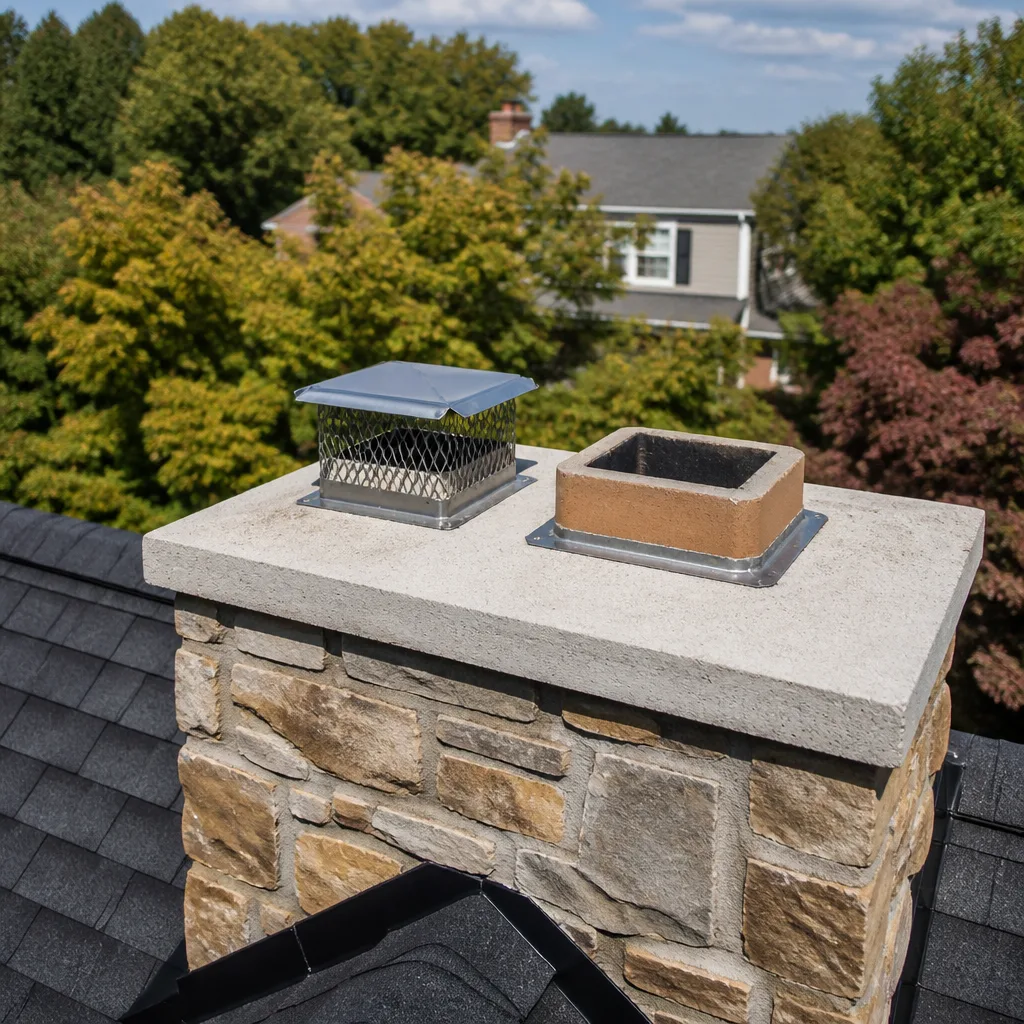 Sweep & inspection
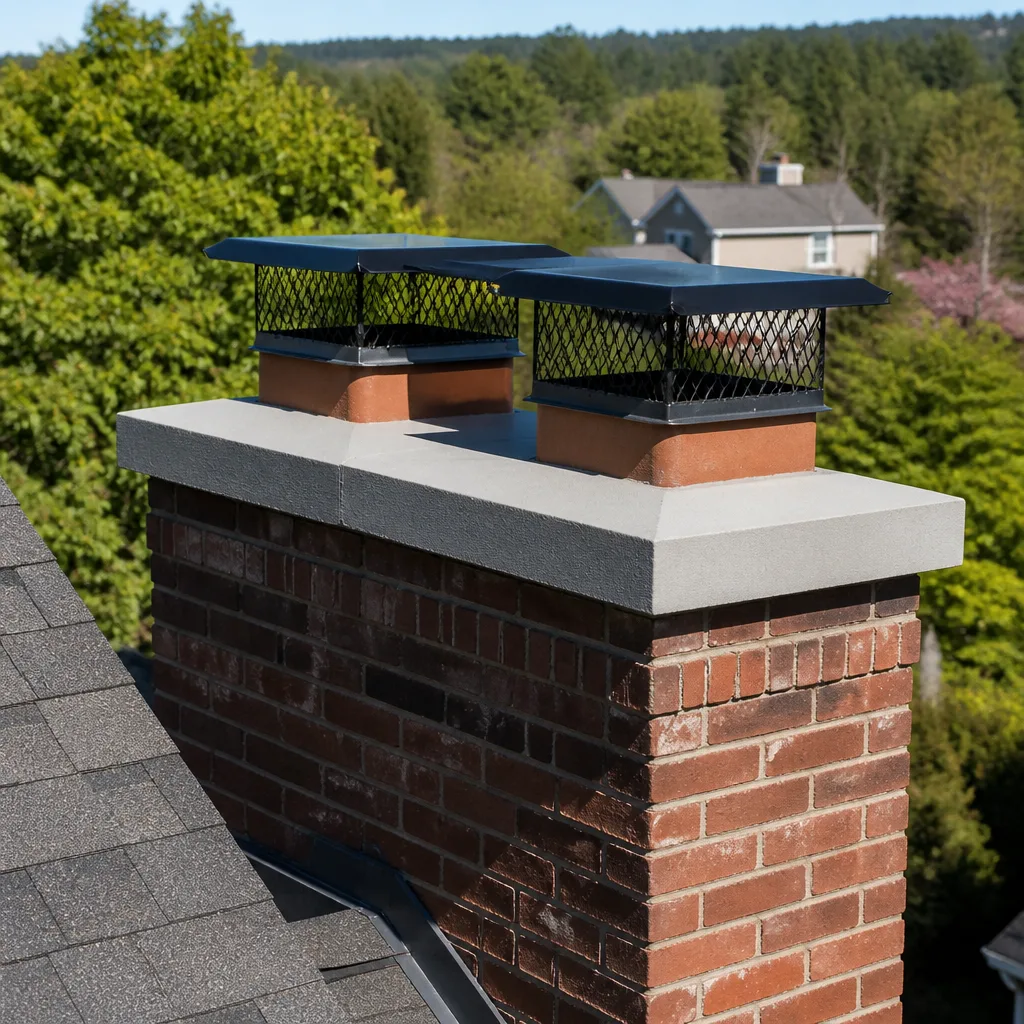 Caps & crowns
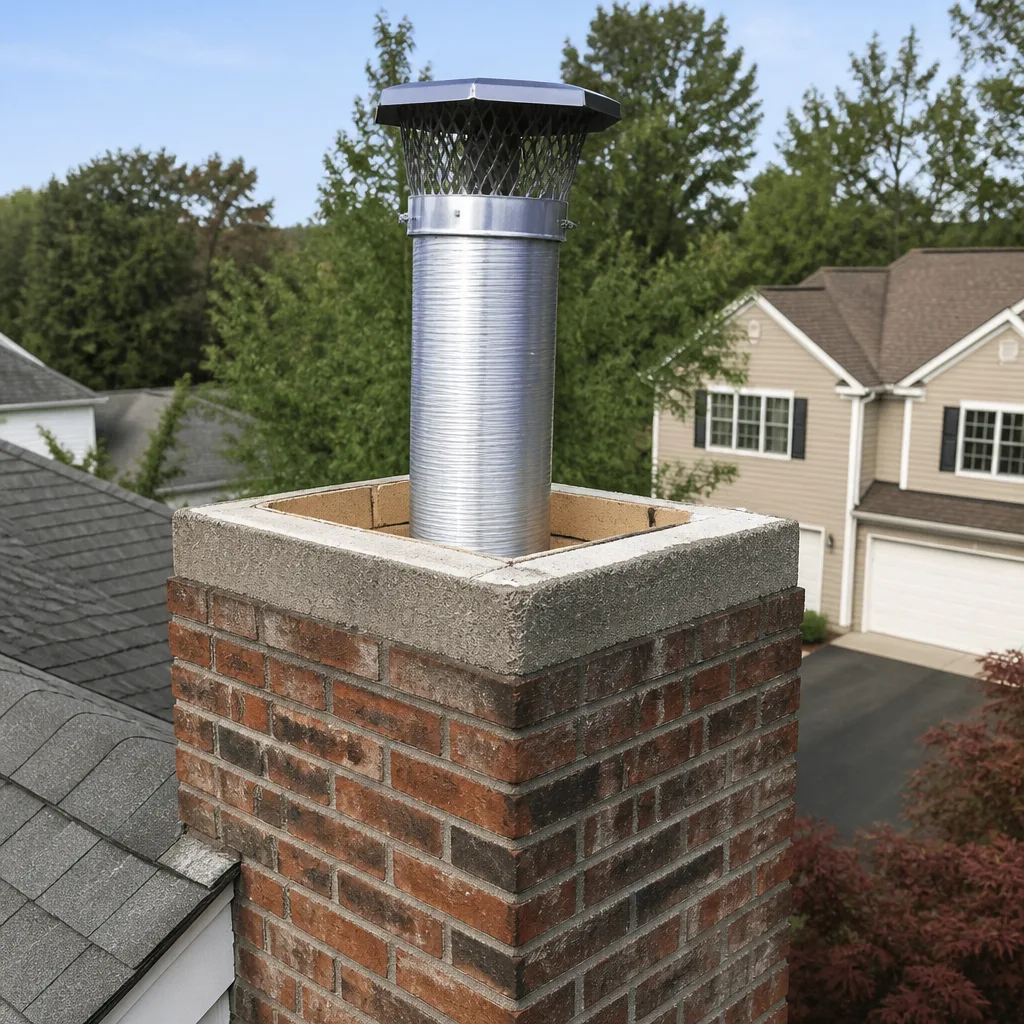 Flue relining
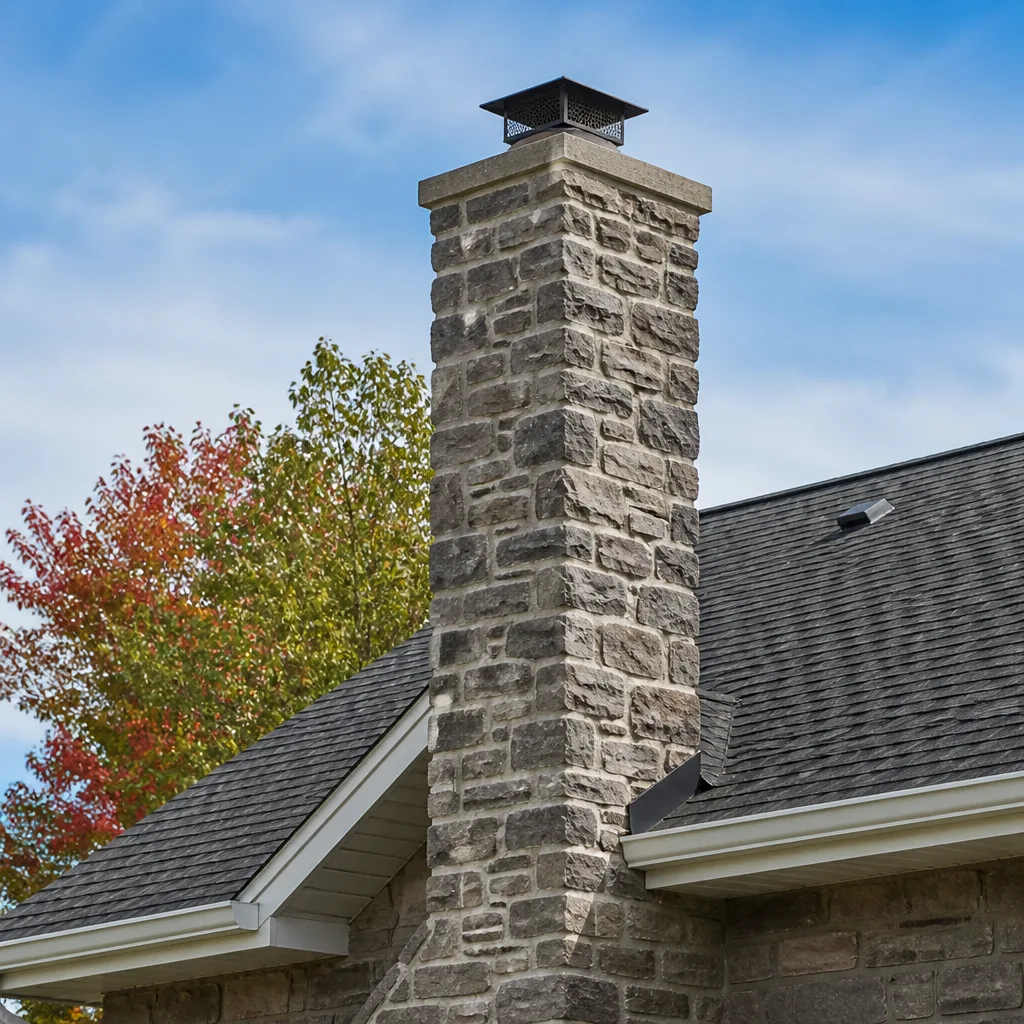 Masonry repair
 Gas fireplace service
Level 1 sweep and inspection to the NFPA 211 annual standard - flue, crown, cap, and flashing checked and photographed
Chimney sweep logs do not sweep chimneys. They loosen some creosote - which then falls where a brush and vacuum still have to collect it.
Chimney Cleaning Permits, Codes & Inspections in Tracy, CA: What You Need to Know
Here’s the split most homeowners never hear about. Sweeping a chimney is maintenance, and maintenance doesn’t need a permit. But the moment a sweep finds a cracked flue liner and that liner gets replaced, the job can cross into permitted construction work under California code. That distinction matters in Tracy because the repair usually happens in the same visit as the cleaning, often before anyone has asked whether a permit is required. Do the work without one and the problem sits quietly in the house until a sale, a refinance, or an insurance claim forces it into the open. This guide walks through when permits apply, when they don’t, what the City of Tracy’s building department actually looks at, and how to confirm a contractor pulled the right permit before the first tool comes off the truck.
Quick Answer
In Tracy, routine chimney sweeping does not require a permit. Chimney repairs that alter the flue, replace a liner, or change the appliance or venting system generally do fall under California Residential Code permit requirements, and the City of Tracy building department is the authority that decides. A permitted repair gives you an inspection record that stays with the property; an unpermitted one can complicate a home sale, a refinance, or an insurance claim after a fire. If you’re unsure which category your job falls into, ask before work starts, not after.
Styles & brands we work with
- Sweep & inspection
- Caps & crowns
- Flue relining
- Masonry repair
- Gas fireplace service
Table of Contents
- Does a chimney sweep in Tracy need a permit?
- Which chimney repairs trigger a permit under California code?
- Liner replacement vs. relining: how Tracy’s building department draws the line
- What NFPA 211 actually means for a Tracy homeowner
- The insurance and lender paper trail: permitted vs. unpermitted work
- How to verify a contractor pulled the correct permit
- What happens during a chimney inspection in Tracy
- When to call a professional
Does a chimney sweep in Tracy need a permit?
No. A routine chimney sweep is maintenance, and maintenance is exempt from permitting. Brushing creosote off the flue walls, checking the firebox, clearing the smoke shelf, and removing debris from the cap don’t change the structure of the chimney or the venting system. A sweep also doesn’t need an inspection because no work is being signed off. This is the category most annual cleanings fall into, and it’s the reason a homeowner can book a sweep without a single call to the city.
Where it gets murky is the gap between “cleaning” and “repair.” A sweep is not a permit-exempt pass to do whatever’s found along the way. If the sweep uncovers a deteriorated flue liner and the contractor replaces it that same visit, that’s a repair to the venting system, and the question of whether a permit applies comes into play. In our experience the confusion usually starts here, because the homeowner hears “sweep” on the phone and assumes the whole visit lives in the same no-permit category.
Cleanings and repairs are genuinely different animals:
- Sweeping: removes creosote, soot, and debris. No structural change. No permit.
- Inspection: a condition assessment with photos and a written report. No permit, because nothing is being built or altered.
- Repair: replaces or alters a component of the flue, the venting, the crown, or the cap. May require a permit depending on scope.
One thing worth knowing before you book anything in Tracy: gas inserts and wood-burning appliances both fall under the same venting framework, and a sweep on a gas insert looks different from a sweep on a wood fireplace. If a contractor tells you a liner replacement on a gas insert is “just a cleaning,” that’s a signal to slow down. A sweep cleans it; an inspection tells you what it actually needs. Permitting follows the “what it needs” part, not the cleaning.
Which chimney repairs trigger a permit under California code?
California Residential Code treats chimney and venting work as part of the appliance system, and repairs that alter that system generally require a permit and an inspection. The practical rule most jurisdictions apply is: if you’re replacing a component of the venting system or changing the appliance configuration, the work is permitted. If you’re maintaining what’s already there without altering its structure, it isn’t. That’s a simplification, and it’s why the City of Tracy building department has the final word on any given job. But it’s a useful filter for deciding whether to ask.
Repairs that commonly cross the permit line:
- Replacing a damaged or deteriorated flue liner with a new liner system (including flexible stainless systems like DuraFlex).
- Full relining of a flue that’s been reconfigured, resized, or reconstituted with a cast-in-place product such as HeatShield.
- Changing from one appliance type to another, for example converting a wood-burning fireplace to a gas insert with a new venting system.
- Installing a new appliance that requires a new flue or a new vent termination.
- Structural repairs to the chimney chase, crown, or breast where the work affects the venting enclosure.
- Adding or relocating a chimney cap in a way that changes the venting geometry.
Repairs that typically stay in the maintenance category:
- Replacing a spark arrestor or chasing screen on an existing cap.
- Repointing a small area of mortar at the crown that doesn’t alter the flue.
- Replacing a damper that’s been worn out without changing the firebox or venting.
- Routine sweeping, animal nest removal, or creosote treatment.
We’ve seen jobs in Tracy where a homeowner was told a full reline was permit-exempt because it was “just a repair.” A reline is not a repair in the code sense, and the distinction between the two decides whether the building department needs to see the work. Ask the contractor to put the categorization in writing before booking. A written chimney repair estimate should state the scope, the permit status, and the code basis for the permit decision, not just a dollar figure.
How the permit threshold changes with the appliance
Wood-burning fireplaces, gas inserts, and solid-fuel appliances don’t follow identical permit rules. A gas insert change is usually permitted as an appliance installation with a venting component. A wood-burning fireplace with a stainless liner replacement is permitted as a repair to the venting system. Both go through the same building department, but the paperwork differs. When in doubt, describe the appliance, the existing venting, and the proposed work to the City of Tracy and ask them what they want to see. Getting that answer in writing before work begins makes the rest of the job straightforward.
Liner replacement vs. relining: how Tracy’s building department draws the line
The City of Tracy is the Authority Having Jurisdiction for chimney work inside city limits, and the AHJ decides how the code applies to a specific job. The single most important distinction for Tracy homeowners is between replacing a liner and relining a flue, because the two can be treated differently on paper even when they look similar on site. Both touch the venting system. Not every AHJ interprets them the same way, which is why the local answer matters more than the general answer.
In general:
- Liner replacement means removing the existing liner (or inserting a new one inside it) and installing a replacement system of the same or updated specification. Flexible stainless systems such as DuraFlex fall into this category when the flue geometry is difficult, including offset configurations that rigid liners can’t navigate.
- Relining means reconstituting the flue itself, often with a cast-in-place product like HeatShield, when the original flue structure can’t accept a conventional liner or when a durable new flue surface is the better answer than a full rebuild.
The AHJ’s interest is in function, not terminology. A reline that produces a flue of a different effective size, a different material, or a different venting class is a bigger change than a like-for-like liner replacement, and it may be treated as a new appliance installation for permitting purposes. In our experience the cleanest path is to have the contractor specify the proposed product and the expected flue dimensions in the permit application, so the plan reviewer can see exactly what’s being installed. Ambiguity in the application is what slows the permit down.
A quick decision guide for Tracy homeowners
- Ask the contractor to state in writing whether the proposed work is a liner replacement or a reline.
- If it’s a reline or a full liner replacement, assume a permit is likely and ask the contractor to confirm with the City of Tracy before booking.
- If the proposed work is a spot repair to the crown, cap, or damper, ask whether a permit is needed and get the answer in writing.
- If the answer changes between the estimate and the work, stop and get the change documented before proceeding.
- Keep the permit number and the final inspection sign-off with your home records.
What we’ve found most useful is to ask the contractor for their permit history on chimney jobs in Tracy. Not their reputation in general, but their history on this exact type of job. A contractor who has pulled permitted liner replacements in Tracy before knows how the AHJ reads the application and can get through review without back-and-forth. That saves you weeks.
What NFPA 211 actually means for a Tracy homeowner
NFPA 211 is the national standard for chimneys, fireplaces, vents, and solid fuel-burning appliances, and California inspectors reference it because it’s the accepted technical baseline for condition and installation. For a Tracy homeowner, NFPA 211 matters in three practical ways: it defines what a compliant flue looks like, it defines the inspection levels a technician should be performing, and it gives the building department a reference standard when reviewing a chimney permit. If a repair doesn’t meet the standard, the inspection fails, and the work has to be corrected before the permit can close.
The standard matters most where the flue has been altered or where the appliance has changed. A stainless liner installed to the wrong specification, or a cast-in-place reline with improper thickness, is a code problem even when it looks fine from the firebox. We’ve seen unpermitted liner work pass a homeowner’s visual check and still fail NFPA 211 review the moment a certified inspection was done. That’s not a scare tactic, it’s the reason the inspection record exists. The standard is written to catch what the eye doesn’t.
How the inspection levels map to a typical Tracy job
- Level 1: a visual check of accessible components during a routine sweep. Appropriate when the appliance hasn’t changed and there’s no reason to suspect a hidden problem.
- Level 2: a more thorough inspection, usually with a camera, required after a chimney fire, after a change of appliance, or before a permitted repair. This is the level most liner replacements sit at.
- Level 3: a diagnostic inspection that may involve opening construction to reach concealed areas. Rare, and typically triggered by a specific concern the earlier levels couldn’t resolve.
A camera inspection with a photo report is what we recommend before any liner or reline decision, permitted or not. The photos make the permit application more credible, and they give the homeowner something to review that isn’t just a verbal description. Nothing gets recommended without evidence you can see for yourself. That rule matters more under NFPA 211 review than anywhere else, because the standard is technical enough that “trust me” doesn’t carry weight with the building department.
The insurance and lender paper trail: permitted vs. unpermitted work
A permitted repair creates a paper record the property carries forward. An unpermitted repair creates none, and that absence surfaces at exactly the wrong moments: during a home sale, a refinance appraisal, or an insurance claim after a chimney fire. A lender wants to know the home’s improvements were done to code, and an appraiser will flag unpermitted work if it’s visible or disclosed. The buyer’s inspector will look at the chimney on their own report, and if they find liner work with no permit trail, the transaction typically stalls until the question is resolved.
The insurance side is often less obvious to homeowners. A permitted repair gives the insurer a record that the venting system was brought to current code by a licensed contractor and signed off by the AHJ. An unpermitted repair gives the insurer an argument, and insurers who suspect the chimney wasn’t maintained to code may limit a fire-loss payout or push back on the claim entirely. We’re not telling you which outcome will happen on any given claim. We’re telling you which paper trail is worth having before you ever need it.
What the paper trail should include
- The permit number issued by the City of Tracy building department, kept with the home’s improvement records.
- The contractor’s written scope, showing the product specified (for example a DuraFlex liner or a HeatShield resurfacing) and the expected dimensions.
- The camera inspection photos taken before and after the work.
- The final inspection sign-off from the AHJ.
- The contractor’s written confirmation that the work meets NFPA 211, dated after installation.
If you’re buying a home in Tracy and the seller can’t produce those items for chimney work done in the last several years, ask for a fresh inspection before closing. A permitted repair usually comes with a full package. An unpermitted one usually comes with a shrug. The difference is worth thousands at the negotiating table, and it’s worth more than that when a claim is on the line.
For lenders, the paper trail matters when the chimney work was part of a larger home improvement. A refinance appraisal may require confirmation that structural changes were permitted, and chimney liner work can be judged structural if it altered the flue or the appliance configuration. Most of the friction we’ve seen with lenders came down to missing documentation rather than failed work. Getting the permit and keeping the sign-off avoids the conversation entirely.
How to verify a contractor pulled the correct permit
You can verify a permit before any work starts, and you should. The City of Tracy building department issues permits for chimney work, and contractors of record appear on the permit. San Joaquin County’s online portal and the City of Tracy’s own permit lookup tools let homeowners confirm that a permit was pulled in the contractor’s name, for the correct address, and for the scope described in the estimate. If the contractor says a permit was pulled but you can’t find it, that’s a problem worth resolving before the first tool comes out of the bag.
Step-by-step verification
- Ask the contractor for the permit number before work begins. Get it in writing on the estimate or in a follow-up email.
- Log onto the City of Tracy’s permit lookup (or the corresponding San Joaquin County portal, depending on which jurisdiction the property falls under) and search by address or permit number.
- Confirm the permit holder matches the contractor’s legal name on the estimate. A permit pulled under a different name is a red flag.
- Confirm the scope description on the permit matches the work being done. A permit for a “cap replacement” isn’t a permit for a liner replacement.
- Confirm the final inspection is scheduled or has been signed off before the contractor marks the job complete.
We’ve seen homeowners told a permit was “on file” when nothing had been pulled, and the discovery usually happened during a sale. Verifying before the work starts removes that risk entirely. If you can’t find the permit, don’t start the job. If the contractor resists giving you the number, look for someone who doesn’t. A licensed contractor pulls permits routinely and will hand over the number without hesitation. The ones who don’t are telling you something.
What to do if work was already done without a permit
If you’re looking at a completed chimney repair with no permit trail, the fix is usually to have the work inspected and then permitted retroactively. That’s a slower process and it costs more than pulling the permit up front, but it produces the record. A camera inspection is the first step, and it establishes what was actually installed. From there, the contractor and the AHJ work out what’s needed to bring the installation into compliance. In most cases a correction is possible without tearing out the work, provided the original installation followed the code.
What happens during a chimney inspection in Tracy
A chimney inspection that’s actually useful is more than a look up the flue with a flashlight. It’s a documented condition assessment with photos, written findings, and a clear recommendation about whether any repair is needed and whether a permit applies. We structure every inspection that way, because the homeowner should walk away with something they can review and keep. A sweep cleans it; an inspection tells you what it actually needs. The two should not be confused.
The typical inspection sequence
- Interview the homeowner about appliance type, usage, and any known problems (smoke, odor, visible cracking, prior repairs).
- Visual check of the accessible firebox, damper, smoke shelf, and the visible portion of the flue.
- Camera inspection of the flue, with photos taken at each significant section.
- Exterior check of the crown, cap, flashing, and the termination height above the roofline.
- Written report with findings, photos, and a recommendation that distinguishes maintenance from repair.
- If repair is recommended, a written scope that states whether a permit is required and which product is specified (for example a Famco flashing system or a Copperfield cap or component).
Two cautions worth knowing. First, the flue is not a place for your own hands and tools. A chimney sweep’s brush is a specialized tool for a reason, and anything that involves a ladder above the roofline or contact with a deteriorated liner isn’t a homeowner job. If a chimney shows visible cracking or damaged mortar, have it inspected before you use the fireplace again. Second, if a contractor recommends a liner replacement on the spot without a camera inspection, that’s a recommendation without evidence. Ask to see the photos first.
We recommend a report you can keep for the life of the home. Chimney problems often unfold over years, and the second inspection becomes far more useful when you can see what the first one documented. The same applies to permitted work: the inspection report from before the repair becomes part of the paper trail after it.
Common Mistakes to Avoid
- Booking a liner replacement without asking about the permit. Liner work is often permitted. Ask before you book, not after the work is done.
- Trusting a verbal “it doesn’t need a permit” without a written basis. Ask the contractor to put the permit decision in writing, with the code section they’re relying on. A vague answer usually means they haven’t checked with the City of Tracy.
- Assuming the cleaning and the repair are one cost. A sweep and a liner replacement are separate items and the second one may carry a permit fee. A written estimate should show both, and if a permit fee is missing from a job that obviously requires one, ask why.
- Buying a Tracy home without checking chimney documentation. Chimney work done in the last several years should have a permit trail. If it doesn’t, that’s a negotiating item and possibly a code issue.
- Letting a contractor pull the permit in a different name. The permit holder should match the contractor on your estimate. When it doesn’t, the warranty and the insurance trail get murky.
- Skipping the final inspection. A permit that’s pulled but never signed off doesn’t give you the paper trail you paid for. Confirm the final inspection before you consider the job closed.
- Doing it yourself. The visible components of a chimney look manageable, but the flue and the connection at the appliance are not a homeowner project. Get an inspection.
When to Call a Professional
Call a professional if any of the following apply to your Tracy home: you’re buying or selling and need a chimney inspection before closing; you’ve used the fireplace for a season or more without a cleaning; you noticed smoke backdrafting, a persistent odor in the firebox, or visible cracking in the flue or firebox; a contractor has recommended a repair and you want a second opinion with photos; you’re changing appliance type (wood to gas, or gas to wood); or you’ve inherited a home with chimney work that has no permit trail. A licensed contractor can judge the permit question against the City of Tracy’s current expectations and give you a written scope. Chimney Sweep Tracy offers free estimates in Tracy. Call (833) 766-1560. We answer 24/7. Fast dispatch from 7am to 7pm, Sunday through Friday.
What you’ll get from a professional visit
A camera inspection with a photo report, a written condition assessment, and a clear recommendation that separates maintenance from repair. If a repair is warranted, the estimate states the products specified, the permit status, and the code basis for the decision. Nothing is recommended without camera evidence you can see for yourself. If the right answer is “this can wait until next season,” you’ll hear that too.
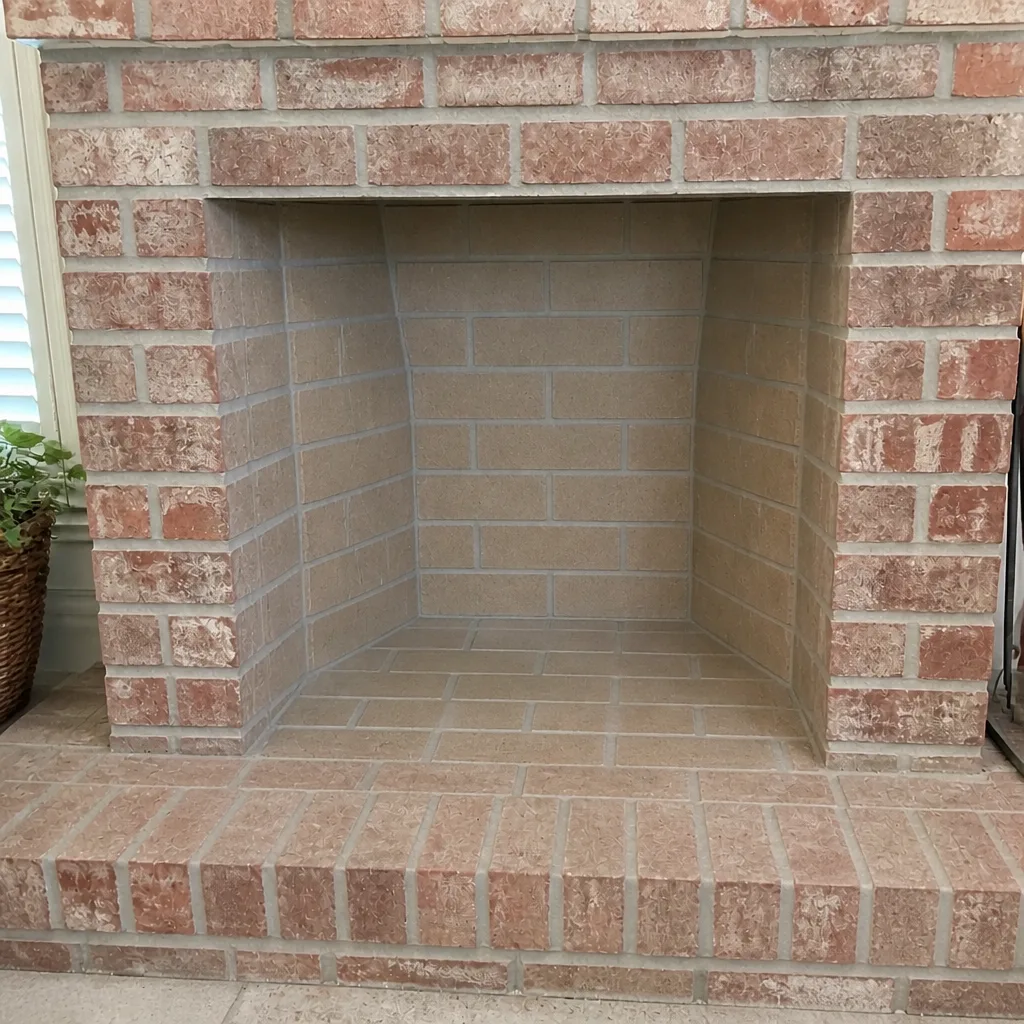
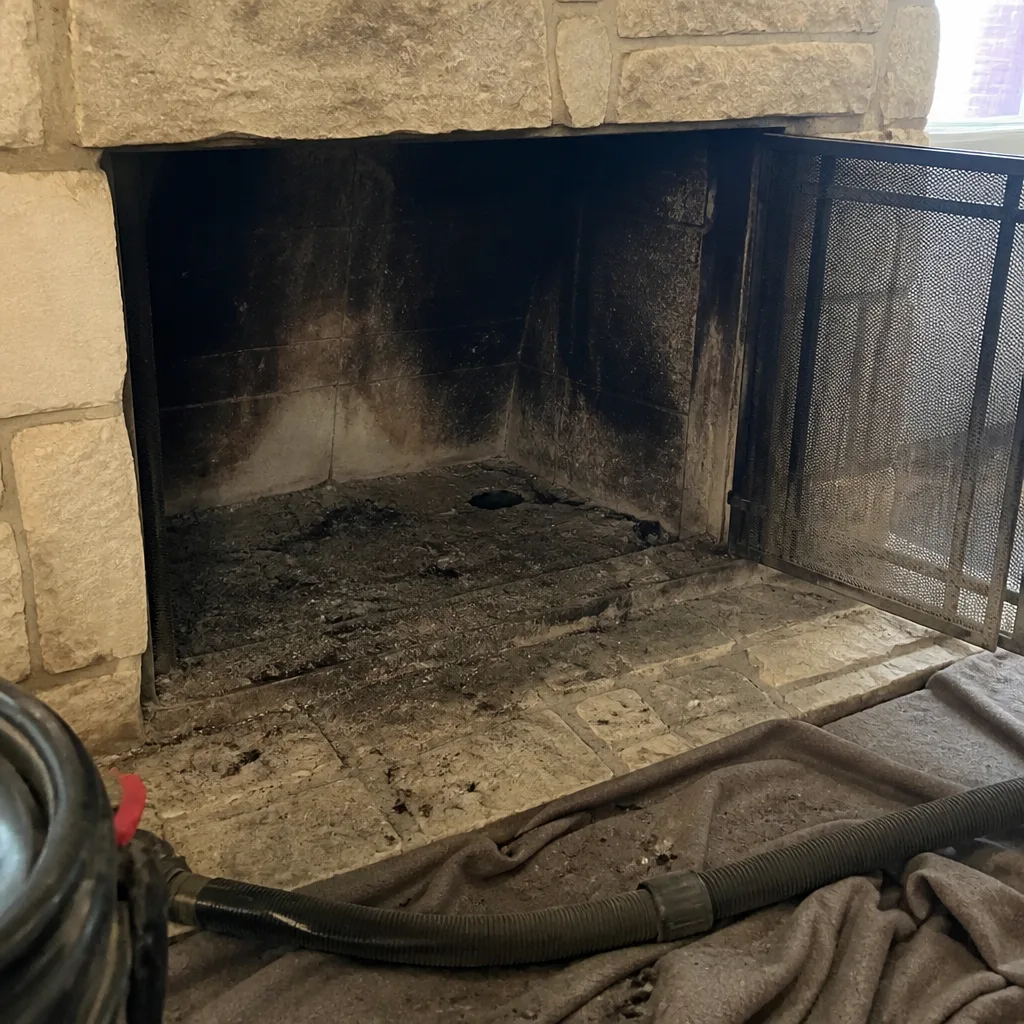
See the difference
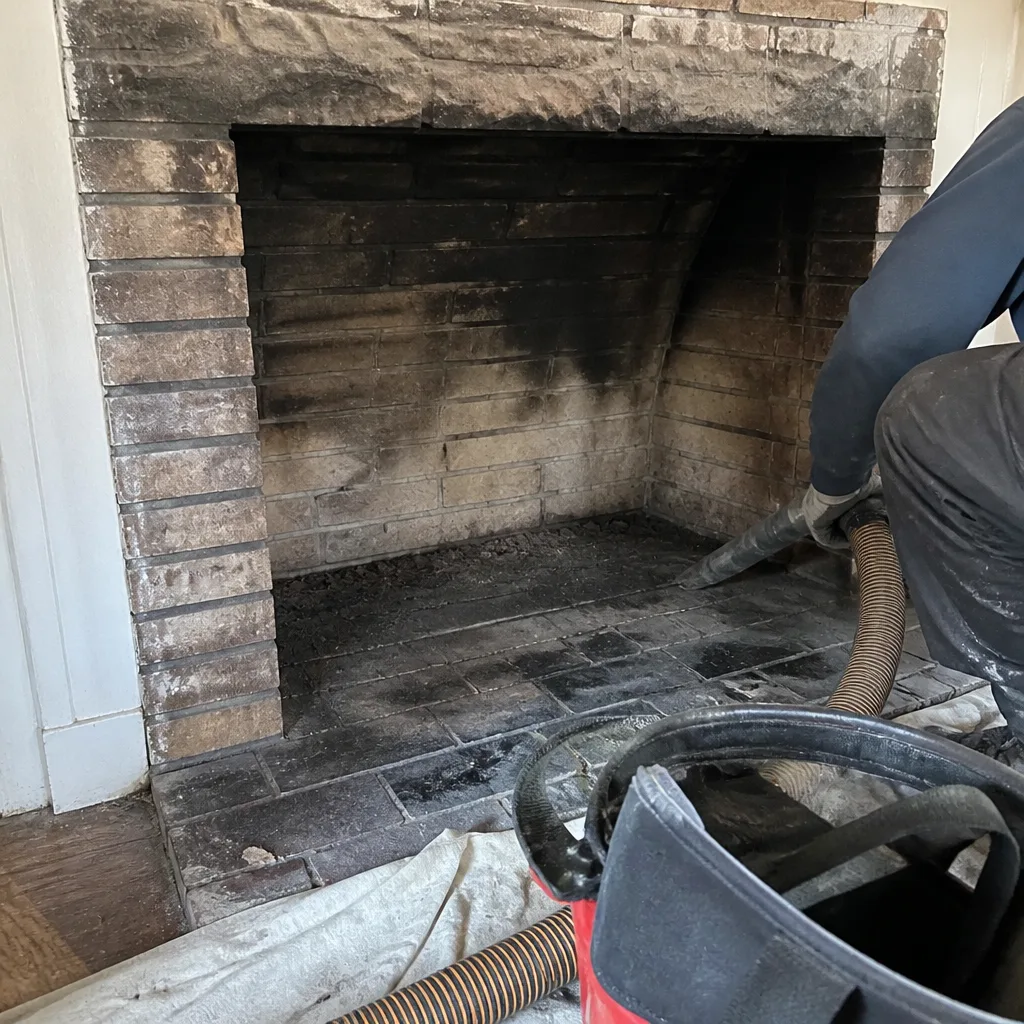 Before
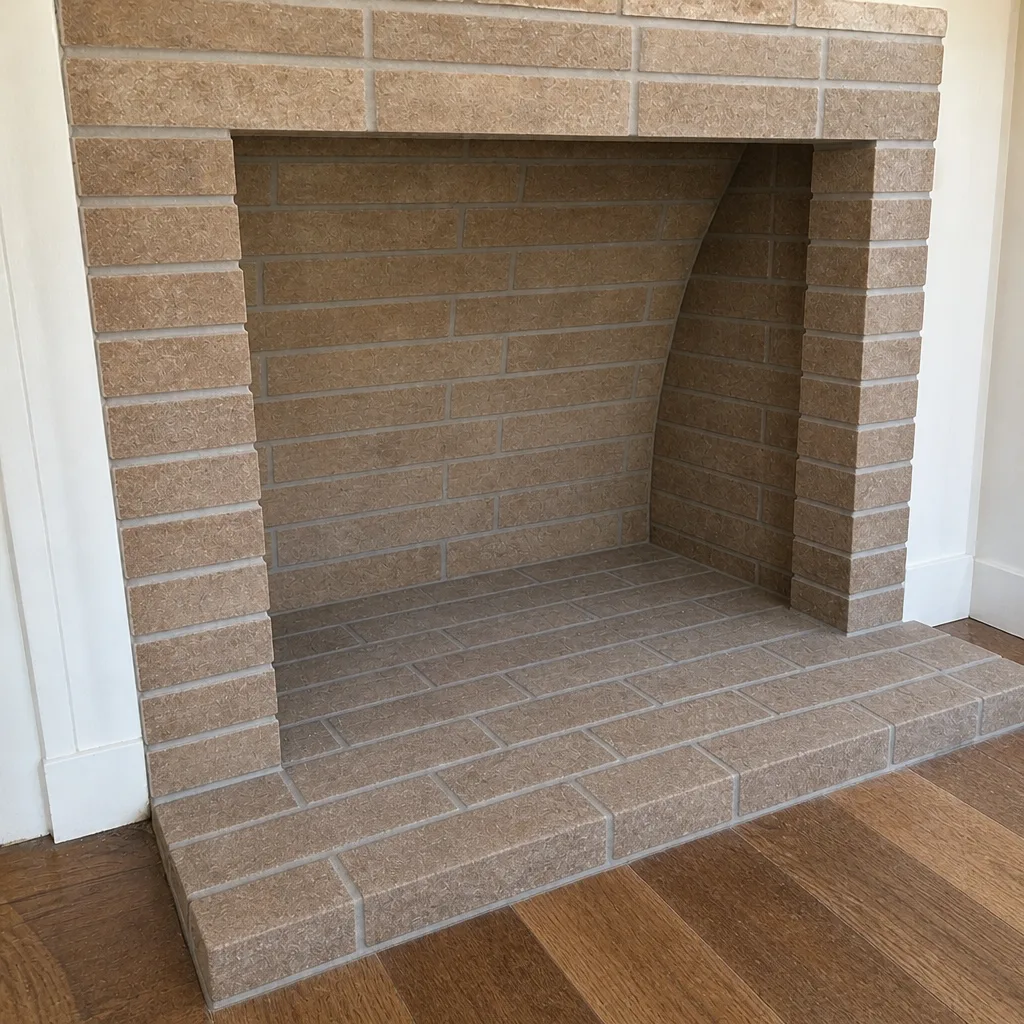 After
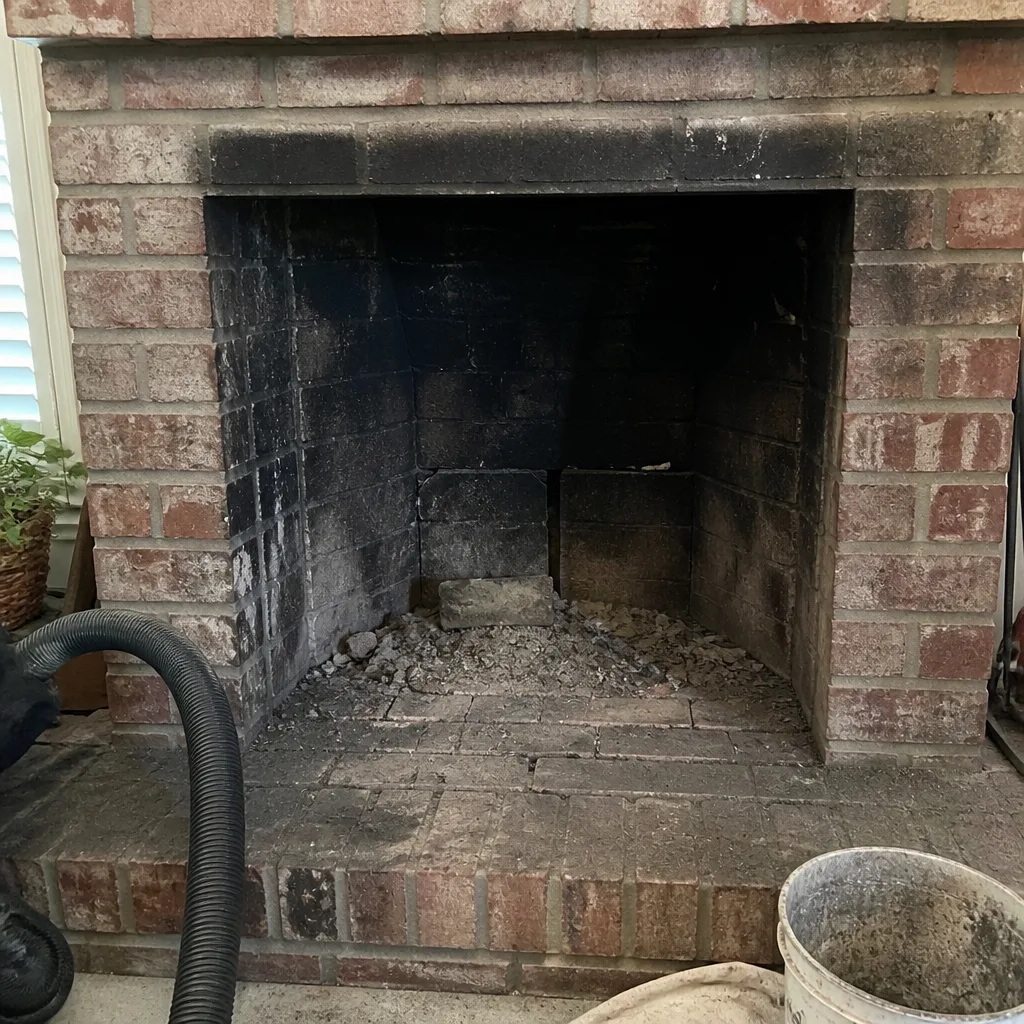 Before
 After
 Before
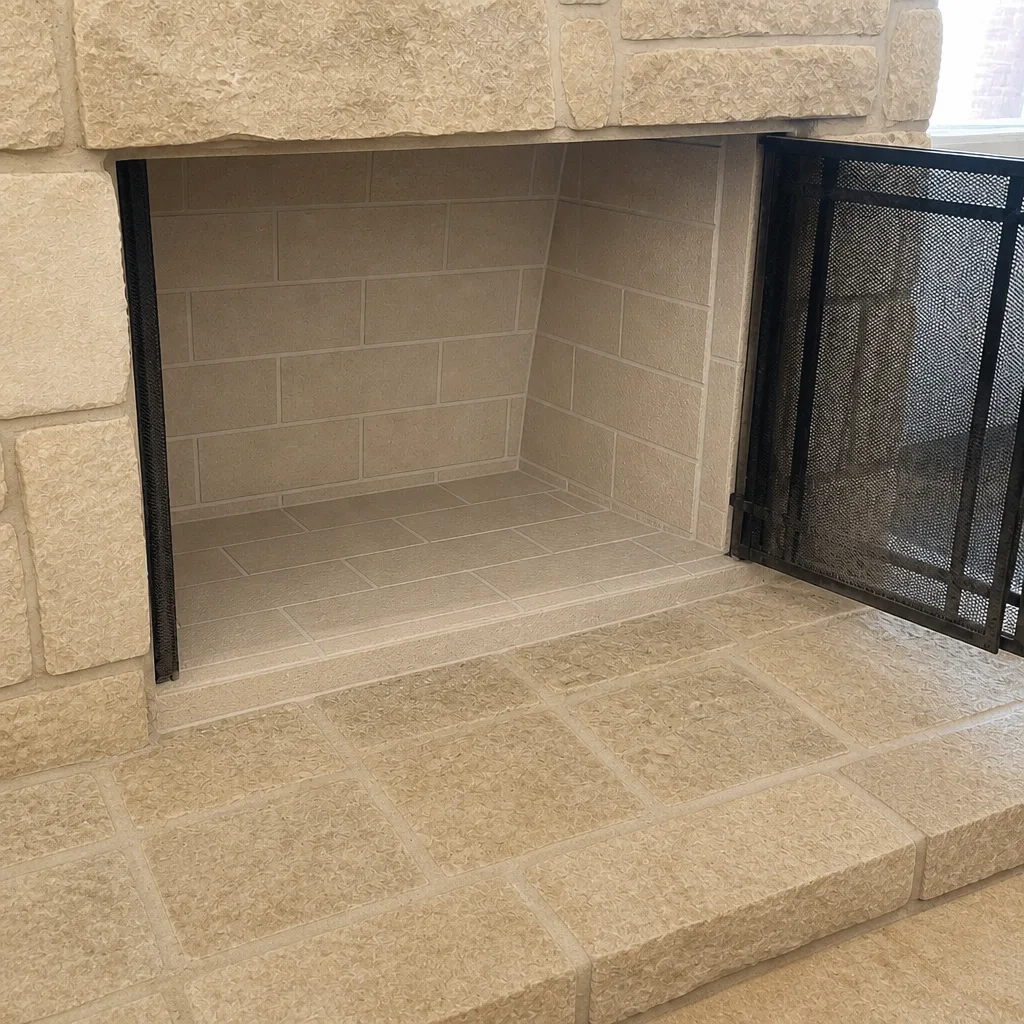 After
Frequently Asked Questions
No. Routine chimney cleaning does not require a permit in Tracy. A sweep removes creosote and debris without altering the flue or the appliance, which keeps it in the maintenance category. The permit question only arises when a repair is proposed, so if your cleaning uncovers a problem, ask the contractor to state the permit status in writing before booking the repair. Call (833) 766-1560 for an exact quote, and estimates are free.
Often yes, because liner replacement alters the venting system and is generally treated as permitted repair work under California code. The City of Tracy building department is the AHJ and has the final word, and the answer can differ depending on whether the job is a like-for-like liner replacement or a reline that changes the flue dimensions or material. Ask the contractor to check with the city before work starts and give you the answer in writing. Call (833) 766-1560 for an exact quote, and estimates are free.
Most wood-burning fireplaces should be swept once a year or after every cord of wood burned, whichever comes first. A gas insert with minimal use often goes longer, but it still needs an annual visual check. Tracy’s long burning season means creosote can build up faster than the calendar suggests, so a camera inspection at the start of the season is the useful habit. Call (833) 766-1560 for an exact quote, and estimates are free.
The buyer’s inspector will typically flag it, and the sale can stall until the question is resolved. The usual fix is to have the work inspected by a licensed contractor, permitted retroactively if the AHJ requires it, and documented for the buyer. Having the paperwork in order before listing avoids the negotiation. Call (833) 766-1560 for an exact quote, and estimates are free.
Yes, and that’s how we usually structure the visit. A sweep cleans the flue, and the inspection that follows documents the condition with photos. The two together give you a complete picture and a written report for your records. The permit question is answered in the same visit if a repair is recommended. Call (833) 766-1560 for an exact quote, and estimates are free.
Ask for the permit number before work begins and verify it through the City of Tracy’s permit lookup or San Joaquin County’s online portal. Confirm the permit holder matches the contractor on your estimate, that the scope description matches the work being done, and that a final inspection is scheduled. If you can’t find the permit, don’t start the job. Call (833) 766-1560 for an exact quote, and estimates are free.
The Bottom Line
Chimney sweeping in Tracy doesn’t need a permit; chimney repairs often do. The permit question gets triggered the moment a repair alters the flue or the venting system, and the City of Tracy building department is the authority that decides. A permitted repair leaves a paper trail your lender, insurer, and buyer can verify; an unpermitted one leaves a gap. If you’re doing a repair, ask for the permit number in writing before work starts. If you’re buying, ask for the paper trail. And if a contractor recommends a liner replacement without a camera to back it up, get a second opinion. The Chimney Sweep Tracy team handles sweeping, inspection, and repair as one visit, so you’re not coordinating three contractors. If you’re in Tracy and want a straight answer on the permit question, that’s the visit to book.
Contact
If you need a chimney inspection, a sweep, or a repair estimate in Tracy, call (833) 766-1560 for a free estimate. Our technicians have up to experience, and we use professional-grade components from brands chimney contractors specify by name, including DuraFlex, HeatShield, Famco, and Copperfield. We’ll tell you what we found, whether the work needs a permit, and whether it can safely wait until next season. We answer 24/7. Fast dispatch from 7am to 7pm, Sunday through Friday.
Written by the team at Chimney Sweep Tracy.