
Last updated November 16, 2026
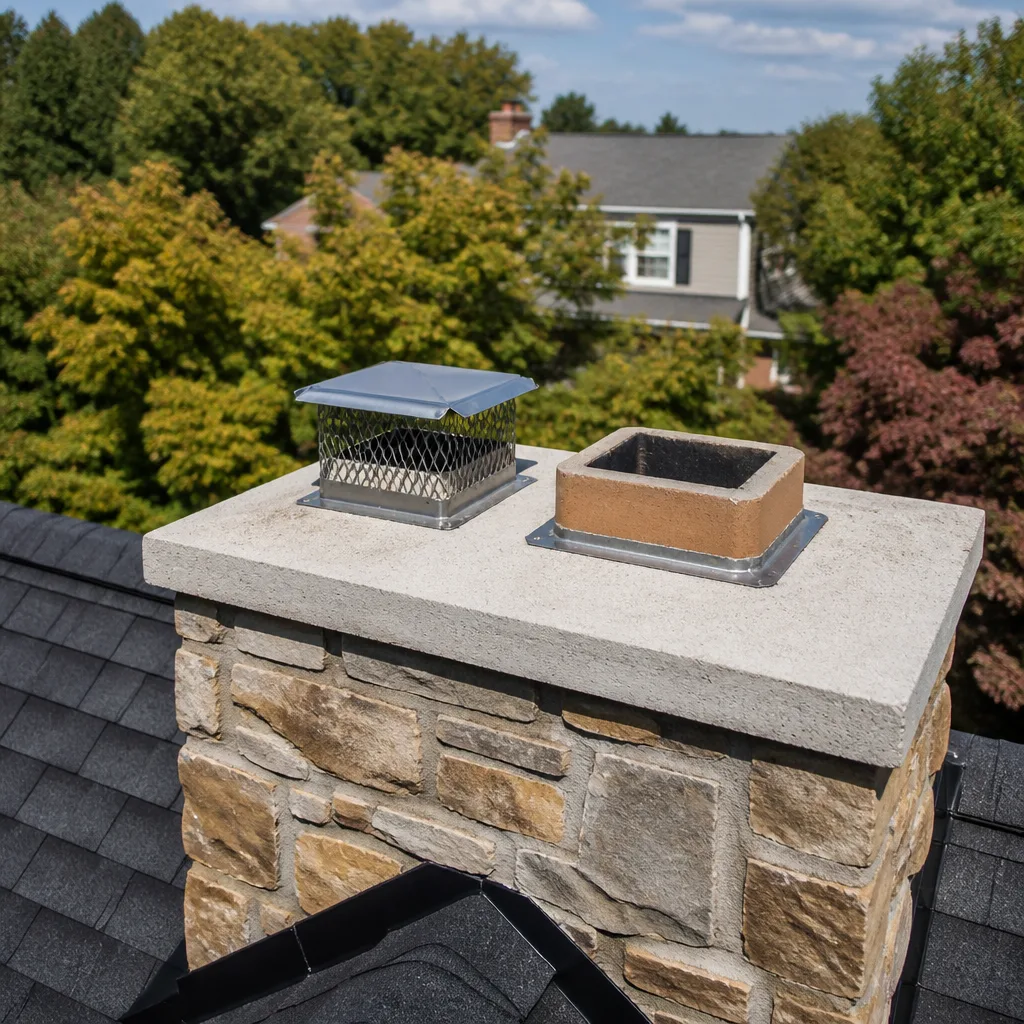 Sweep & inspection
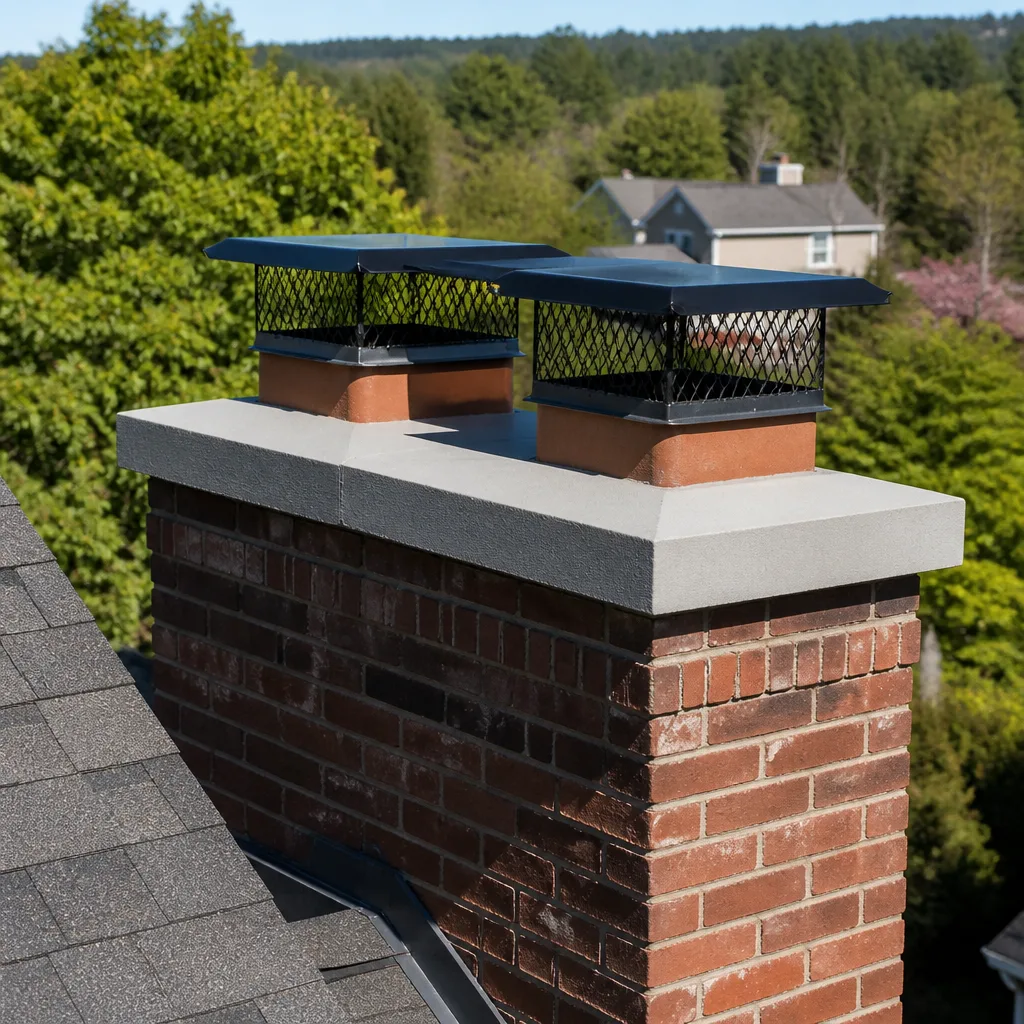 Caps & crowns
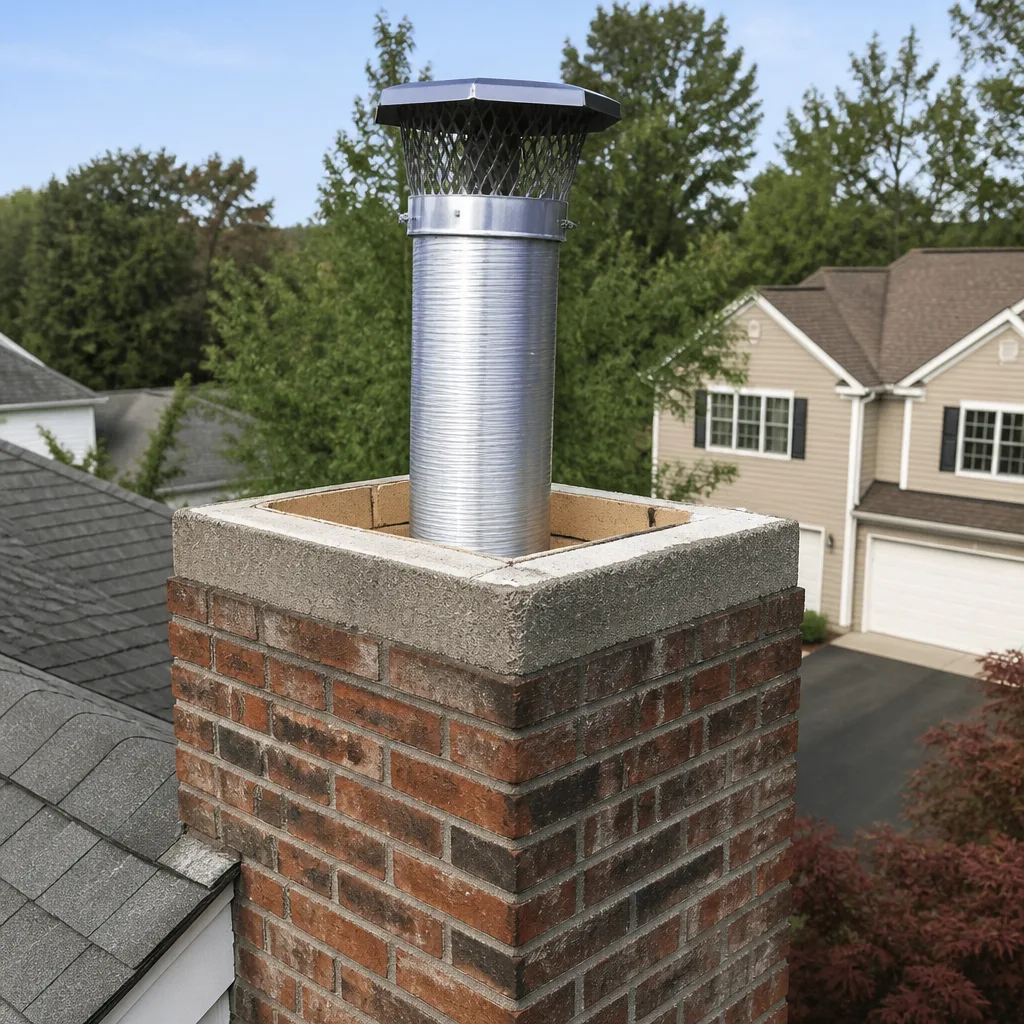 Flue relining
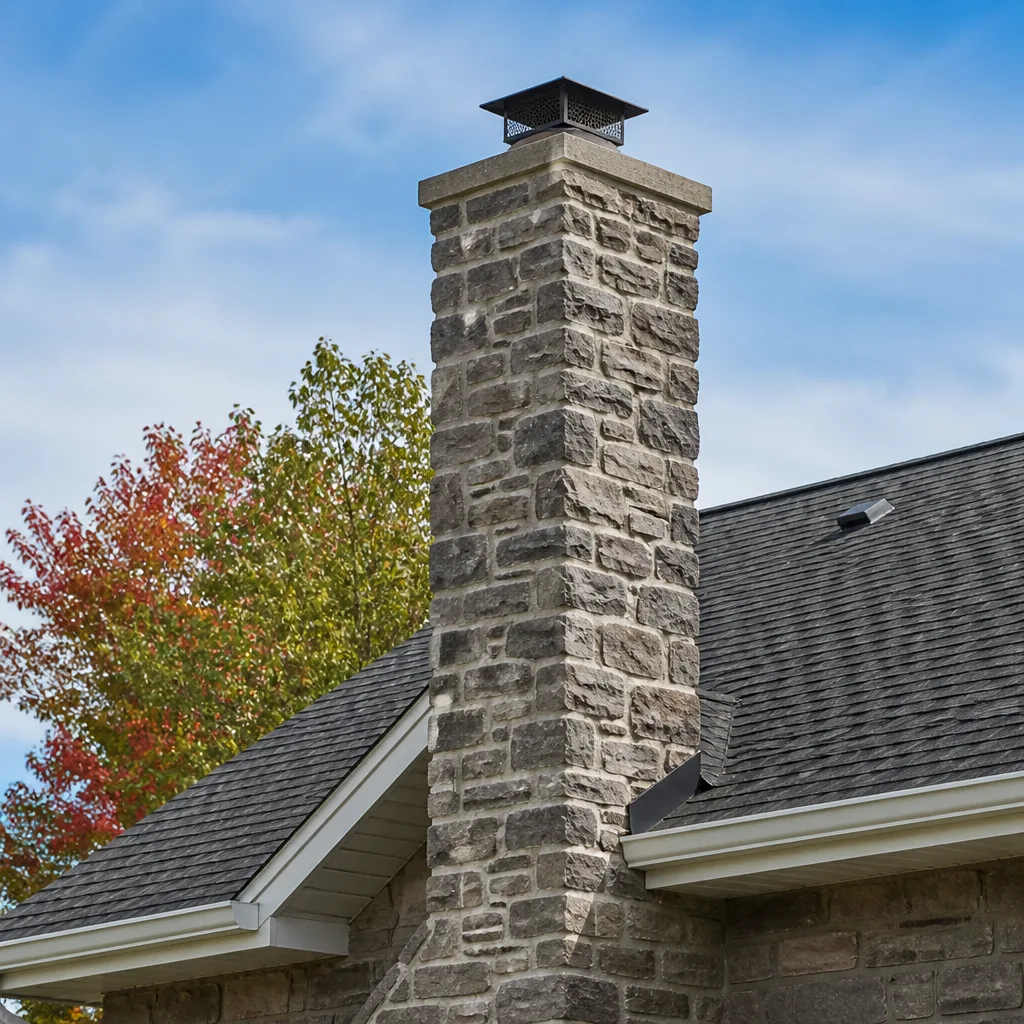 Masonry repair
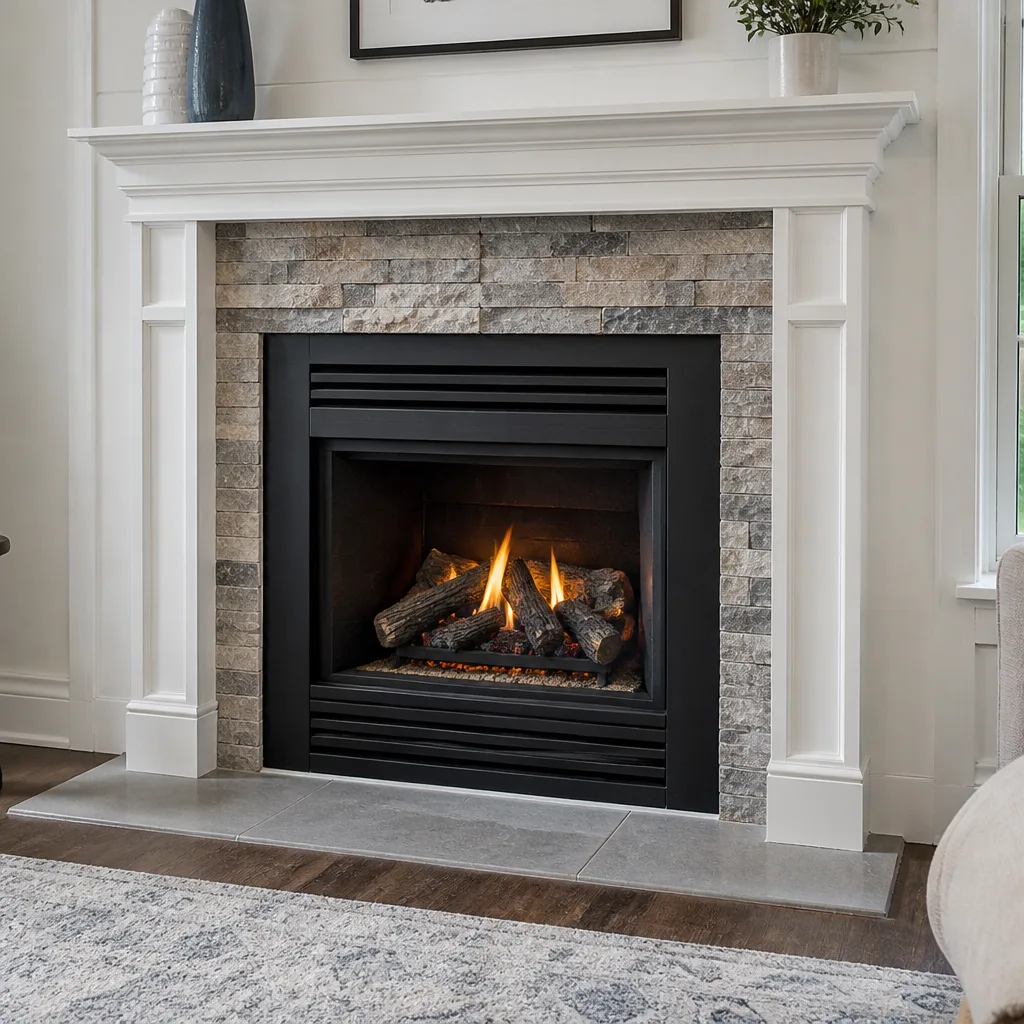 Gas fireplace service
Level 1 sweep and inspection to the NFPA 211 annual standard - flue, crown, cap, and flashing checked and photographed
Chimney sweep logs do not sweep chimneys. They loosen some creosote - which then falls where a brush and vacuum still have to collect it.
Chimney Sweep Maintenance Schedule: What to Do and When
A wood-burning fireplace used three times a week through winter needs a different maintenance rhythm than the same fireplace used six times a year, yet nearly every generic chimney schedule online treats them identically. Two houses on the same Tracy street can have fireplaces built decades apart, burning different fuels, and those differences decide what “annual” actually means for each one. The right maintenance schedule is the one built around your fuel type, your burning habits, and the era your fireplace was constructed. This guide lays out separate timelines for wood-burning fireplaces, gas inserts, and pellet stoves, explains what you can safely check yourself and what needs a trained eye, and shows you how to keep a simple log so your sweep can recommend based on how you actually burn rather than defaulting to the same advice everyone gets.
Quick Answer
A chimney should be swept when about a quarter inch of creosote has built up on the flue walls, which for a regularly used wood-burning fireplace typically means a sweep once a year, while a gas insert or pellet stove usually needs professional inspection every year and sweeping only when the inspection shows soot or blockage. Height of use changes the answer: a fireplace burned three times a week in winter needs more frequent checks than one lit six times a year. The one non-negotiable is an annual professional inspection, because that’s what tells you whether this is a sweeping year or not.
Styles & brands we work with
- Sweep & inspection
- Caps & crowns
- Flue relining
- Masonry repair
- Gas fireplace service
Table of Contents
- Why “One Sweep a Year” Is the Floor, Not the Standard
- Wood-Burning Fireplace Maintenance Timeline
- Gas Insert Maintenance Timeline
- Pellet Stove Maintenance Timeline
- Protecting Your Liner: What Actually Extends Flue Life
- Your October Checklist Before the First Fire
- How to Log Usage So Your Sweep Can Make an Accurate Call
- Inspection Intervals You Probably Didn’t Know About
Why “One Sweep a Year” Is the Floor, Not the Standard
The annual sweep is the minimum most chimney professionals and fire codes treat as the baseline, but it isn’t a prescription. Creosote deposits build at wildly different rates depending on how hot your fires run, how dry the wood is, how long the flue is, and how the chimney drafts. A homeowner burning perfectly seasoned hardwood in a fireplace with a tall, well-insulated flue can go longer between sweeps than a neighbor burning unseasoned wood in a short flue with a fire that smolders. Both are doing the right thing by having the chimney looked at; only one needs a full sweep.
In our experience around Tracy, the biggest variable is fuel quality. When wood hasn’t been dried properly and a fire is burned slow, creosote forms fast and sticks hard. Softer woods and mill scraps behave the same way. The result is that two fireplaces with identical construction can be in completely different condition after the same number of fires.
That’s why a fixed schedule tied to the calendar, rather than to the chimney itself, is a weak approach. A schedule is really two things:
- The inspection interval – a fixed appointment, usually annual, that happens regardless of how much you’ve burned.
- The sweeping interval – the cleaning that happens when the inspection finds enough buildup to justify it.
Keeping these separate is the single most useful shift a homeowner can make. A sweep cleans it; an inspection tells you what it actually needs. Treat the annual inspection as your anchor and let the condition of the flue decide the sweep. That way you’re not sweeping a lightly used chimney out of habit, and you’re not skipping a chimney that has been quietly accumulating creosote.
Wood-Burning Fireplace Maintenance Timeline
Wood-burning fireplaces generate creosote, which is the flammable residue that forms when smoke cools as it rises. The amount of creosote that accumulates is the deciding factor in how often the flue needs cleaning. For a Tracy homeowner burning three times a week through the cooler months, an inspection each year and a sweep most years is a reasonable rhythm. For a fireplace used a dozen times a season, an annual inspection may confirm the flue is still clean enough to go another year.
Beyond the sweep itself, a wood-burning system has several maintenance touchpoints across the year:
- Before first fire (October): Inspect the firebox for cracked firebrick, open the damper and confirm the flue is clear, check the cap for damage or nesting material, and look at the flashing on the exterior for obvious gaps.
- During the burning season: Check the firebox after each fire for fallen mortar or loose brick, and empty ash regularly – deep ash beds shorten firebox life and clog the airflow.
- Mid-winter: Note any change in draft, smoke spill, or unusual odor, since these signal a partial blockage or a developing problem.
- After the last fire (spring): Have the flue inspected and swept before the equipment sits unused for months, and close the damper to keep drafts and pests out.
- Summer: Inspect the chimney cap and exterior crown, and address any loose flashing before the rainy season.
The critical wood-burning detail that gets missed is firebrick and mortar condition. Cracked firebrick lets heat reach the structure behind it, and a cracked or crumbled mortar joint in a masonry firebox is often the first sign a repair is on the horizon. Catching it during the annual inspection keeps it a repair and not a rebuild. When a flue has degraded, we work with flexible stainless systems such as DuraFlex for full relining, which is the route that fits most wood-burning setups. If you’re noticing smoke spill or odor, that’s the point to look at chimney repair before the next fire season.
Gas Insert Maintenance Timeline
Gas inserts burn far cleaner than wood, produce little to no creosote, and don’t need annual sweeping the way a wood fireplace does. But a gas insert still needs an annual inspection, for reasons unrelated to creosote. A gas insert produces some soot, condensate, and moisture that can settle in the flue, and the flue itself can be obstructed by nesting birds or debris. More importantly, an inspection verifies that the venting is still doing its job, that the gas connections are sound, and that the appliance is burning cleanly.
A practical gas insert schedule looks like this:
- Annual inspection: Before the heating season, have the insert and its venting looked at by a trained professional. This confirms draft, vent condition, and that the unit is venting safely.
- Annual cleaning of the appliance interior: Depending on use, some inserts require cleaning of the glass, logs, and burners by a qualified technician; follow the manufacturer’s schedule.
- Yearly check of the vent terminal and cap: An exterior cap or terminal can be blocked by debris, which raises carbon monoxide risk.
- Carbon monoxide detector check: Test the detector batteries when you first start the insert each year.
Gas is a fuel where the difference between a clean inspection and a skipped one really matters, because carbon monoxide is invisible and has no smell. A gas insert that vents improperly won’t leave obvious creosote as a warning. That’s the specific reason an annual inspection should not be skipped on gas, even though the flue will rarely need sweeping. If a homeowner isn’t sure whether their insert has ever been inspected, that’s the point to schedule a chimney sweep and inspection, since the technician can verify vent condition while the flue gets cleaned.
Pellet Stove Maintenance Timeline
Pellet stoves land between wood and gas. They produce fly ash and some creosote, and the venting needs attention, but at lower volumes than a full wood-burning fireplace. The maintenance rhythm depends heavily on how much you burn and whether the stove is vented through the chimney or out a dedicated wall vent. A pellet stove used daily through the winter will accumulate more ash in the venting than one used several times a week.
The pellet stove schedule breaks down into tasks you can do and tasks that need a professional:
- Daily: Empty the ash pan and scrape the burn pot, since ash buildup chokes the airflow that makes the stove efficient.
- Weekly during use: Clean the glass and check the firebox for accumulation, and empty the ash bin before it overflows into the vent.
- Monthly: Inspect the vent pipe for ash buildup, and clear the vent terminal if it’s accessible.
- Annually: Have the pellet vent and the chimney inspected and cleaned by a professional, and have the appliance inspected for gasket condition and airflow.
The most common pellet stove maintenance failure is ash clogging the vent pipe. A pellet stove that’s been burning daily for a season can load up the venting in ways that aren’t visible from the room. That’s why a professional inspection of a pellet stove’s venting is worth doing each year, even if the appliance itself looks clean. The venting is the part a homeowner can’t see.
If you want a full picture of what we sweep, inspect, and repair, the Chimney Sweep Tracy range of services covers all three fuel types and pairs each sweep with a real inspection.
Protecting Your Liner: What Actually Extends Flue Life
The liner is the part of your chimney that does the real work: it contains the heat and combustion gases and protects the structure of the house. Extending a liner’s life means keeping the things that degrade it away from it. In Tracy, the relevant factors are creosote buildup, moisture, and physical damage from debris or careless cleaning.
What actually helps:
- Sweep before creosote thickens: Thin creosote sweeps off easily; heavy, hardened creosote requires aggressive cleaning that can scratch a liner and, in extreme cases, become a chimney fire risk. Frequent light cleaning beats rare heavy cleaning.
- Burn dry wood: Well-seasoned wood produces less creosote, which means less for the liner to hold on to.
- Keep the cap intact: A good cap keeps rain, birds, and debris out. A lost or damaged cap lets moisture in, and moisture is a liner’s enemy.
- Address small cracks early: A hairline crack that shows up in an inspection is best corrected before it spreads.
This is where the homes built in Tracy’s 1980s through 2000s subdivisions are worth a specific mention. Many of them were built with factory-built fireplace systems, and those systems have their own liner and venting requirements that differ from traditional masonry chimneys. A maintenance plan that treats them like masonry can miss what actually needs attention on a factory-built unit.
When a liner’s condition has declined, the solution depends on the flue, not on inflating the invoice. In some cases HeatShield ceramic resurfacing can restore a structurally sound flue without a full reline, which is a genuine cost saving. In others, a full reline with a flexible stainless system such as DuraFlex is the correct and durable answer, especially where the flue has offset configurations that a rigid liner can’t manage. The right call only comes from looking at the flue, not from a standard prescription.
Your October Checklist Before the First Fire
October is the natural point to get ahead of the burning season in Tracy. The cooler months here are mild compared to the mountains, but the first fire comes around the same time regardless. A quick preseason pass through the following items catches most of what a homeowner can reasonably check, and it tells you what needs a professional’s eye:
- Look up the flue. With a flashlight, look into the firebox and up the flue. If you see a thick, glossy or puffy coating on the walls, that’s creosote and it needs a sweep.
- Check for blockage. Leaves, twigs, nesting material, or a collapsed cap are common spring-through-fall occupants. A blocked flue is a smoke and carbon monoxide hazard.
- Inspect the firebox. Look for cracked firebrick and crumbly mortar joints. Small cracks are normal wear; deep gaps or displaced brick are not.
- Test the damper. Open and close it fully. It should move without sticking and close tightly. A damper stuck open loses heat; one stuck closed lets smoke into the room.
- Check the chimney cap and crown. From the ground with binoculars, look for a missing cap or a cracked crown. Water that gets past a failed crown erodes the structure.
- Test smoke and carbon monoxide detectors. Place or confirm a CO detector in the room with the appliance and on every level of the home.
- Confirm wood is ready. Wood that hasn’t dried properly produces more creosote and less heat.
The October checklist is what you do. The professional inspection is what verifies. A sweep checks the flue with the tools and the trained eye to see things the homeowner’s flashlight can’t show: the true thickness of the deposit, the condition of the upper flue, and the integrity of the liner and cap from the top. If you’re not in a position to look up the flue safely, don’t improvise; a professional inspection is quick and it’s the right call. If you’re in Tracy and want a preseason inspection booked, that’s a good time to reach out.
How to Log Usage So Your Sweep Can Make an Accurate Call
The single biggest reason a chimney gets default advice is that the sweep has no way of knowing how much it’s actually been used. “Sweep it once a year” is the safe default. It becomes an accurate recommendation when you can tell the technician roughly how many fires you’ve burned, what you burned, and how long each fire lasted. A simple log fixes this.
Logging doesn’t need an app. A notebook by the fireplace works. The key details to capture:
- Date and duration of each fire. A short, hot fire and a long, cool burn deposit creosote very differently.
- Fuel used. Seasoned hardwood, softwood, mill ends, or manufactured logs each behave differently.
- Approximate amount. How many logs per fire, and how full the firebox was.
- Anything unusual. Smoke spilled into the room? A smell? A damper that stuck? Note it.
- Any maintenance done. Ash emptied, cap checked, damper freed, etc.
When that log goes to the sweep at inspection time, the recommendation becomes specific. A homeowner who burned three nights a week for the season can be told their chimney will likely need a sweep this year, while a homeowner who burned a handful of times can be told to hold off. The log turns a general guess into an actual answer, and it also gives the technician a record of when problems first appeared, which is useful if you have a repair question later.
The logging habit also surfaces problems early, because noting “smoke spill” or “smell” during a fire is the kind of thing that’s easy to forget by the time the season ends. If you notice those signs, don’t wait for the next inspection; call.
Inspection Intervals You Probably Didn’t Know About
The chimney as a whole gets inspected once a year, but a few specific components have their own considerations that homeowners rarely factor in. The parts matter because a failure in a small component can lead to water damage or draft issues that look like a much bigger problem.
Here’s where the professional-grade components come in, and why specifying them by name matters:
- Chimney caps: A cap protects the flue from rain, birds, and debris. It also has its own maintenance check each year, because a damaged or missing cap is often the first step in a bigger problem. When a cap needs replacement, we specify Copperfield components, which are designed for the chimney environment, rather than a generic cover.
- Dampers: A damper is a moving part in a hot, dirty environment, and it wears out. An annual check of the damper’s movement and seal catches failure early.
- Liners: The liner is inspected as part of the annual appointment, and repairs use professional-grade systems such as DuraFlex for relining and HeatShield ceramic resurfacing when the flue structure allows. Manufacturer instructions for these systems include their own suggested service intervals, which a trained technician accounts for.
- Flashing: The flashing at the roof line keeps water out of the chimney structure. A gap in the flashing can be the source of a leak that shows up far from the chimney itself. Restoration work uses Famco flashing systems, which are specified by name in the trade.
- Crown: The concrete crown at the top of a masonry chimney sheds water away from the structure. A cracked crown is a slow water problem. It gets checked once a year with the rest of the exterior.
These intervals aren’t secrets, but homeowners rarely keep them because the guidance lives in manufacturer instructions rather than in a simple checklist. A well-run annual inspection covers them all. The convenience of a single contractor who does the sweep, the inspection, and the repair is the other half of the answer: you don’t have to track down a sweep, then a repair crew, then wait for a second inspection. If a liner or flashing problem turns up, the same visit can scope the fix.
Common Mistakes to Avoid
- Treating every chimney like every other chimney. A wood-burning fireplace and a gas insert do not need the same services. Following a generic “annual sweep” rule for gas is wasted money, and skipping the inspection on wood is a risk.
- Skipping the inspection in a lightly used year. “We barely used it” is the most common reason homeowners skip an inspection. The inspection isn’t only about creosote; it’s the only chance to check the liner, cap, crown, and venting while nothing is buried in snow or debris.
- Burning unseasoned wood to stretch a cord. Wood that hasn’t dried properly makes creosote form faster and costs you more in the long run. It’s the single biggest factor in buildup.
- Not logging use. Without a record of fires burned, you force a default recommendation. The log is how you get a specific one.
- Assuming a factory-built fireplace is maintenance-free. On Tracy’s 1980s to 2000s subdivisions, factory-built fireplaces are common, and they still need annual inspections that match their venting system.
- Delaying a small repair until it becomes a reline. A hairline firebox crack or a small flashing gap caught in an inspection is a repair. Left alone, a flashing leak is a water problem and a worsening crack is a structural one.
- Using generic components for a repair. A generic cap or damper can fit the opening but not the chimney’s airflow or the manufacturer’s spec. This is where specifying Copperfield, Famco, or Olympia Chimney parts by name matters, because those parts are made for the environment they’ll live in.
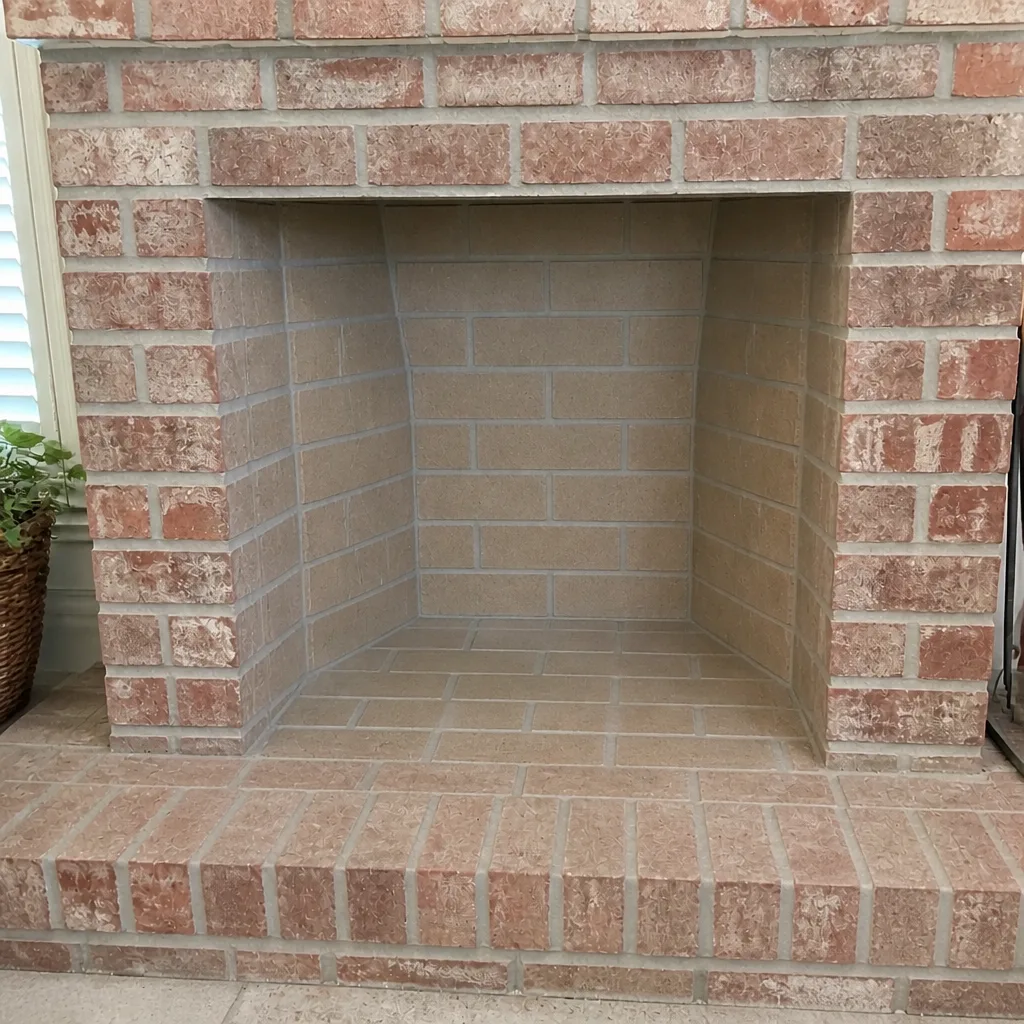
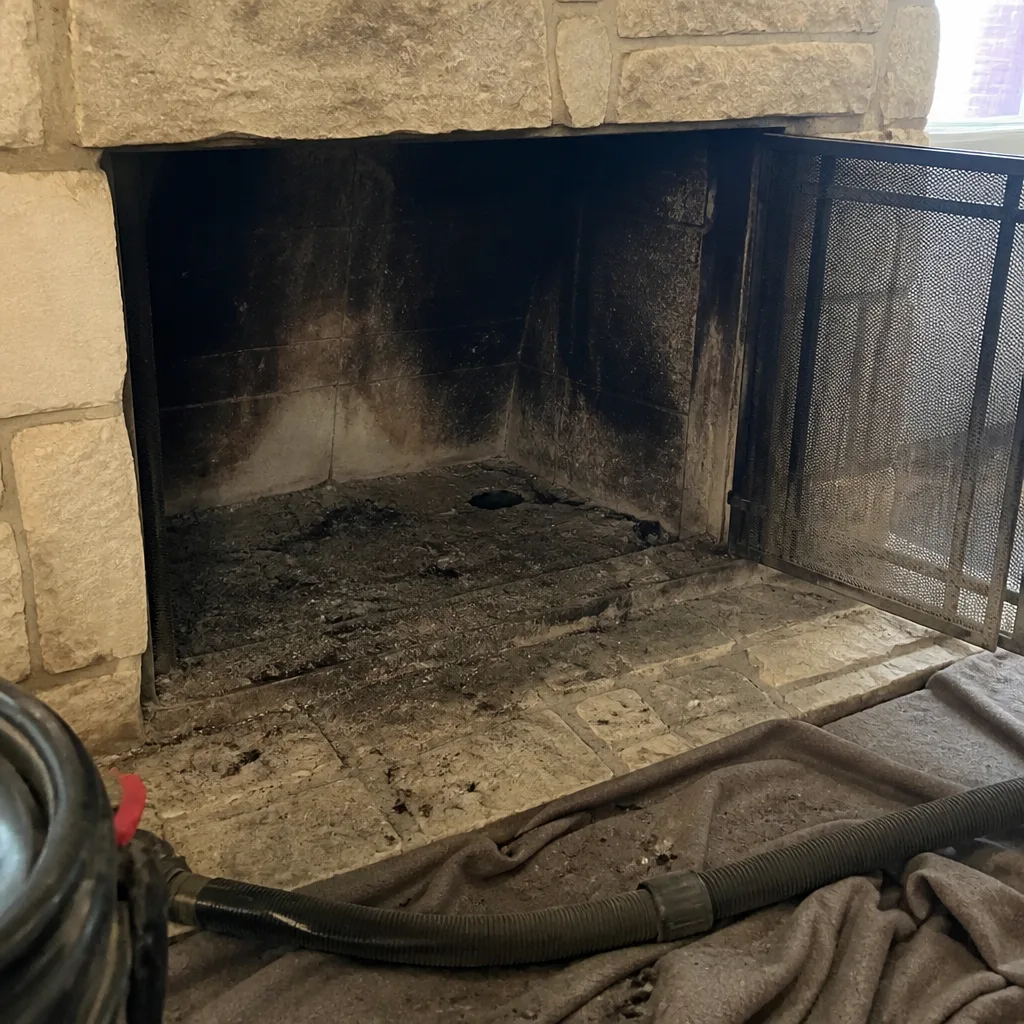
See the difference
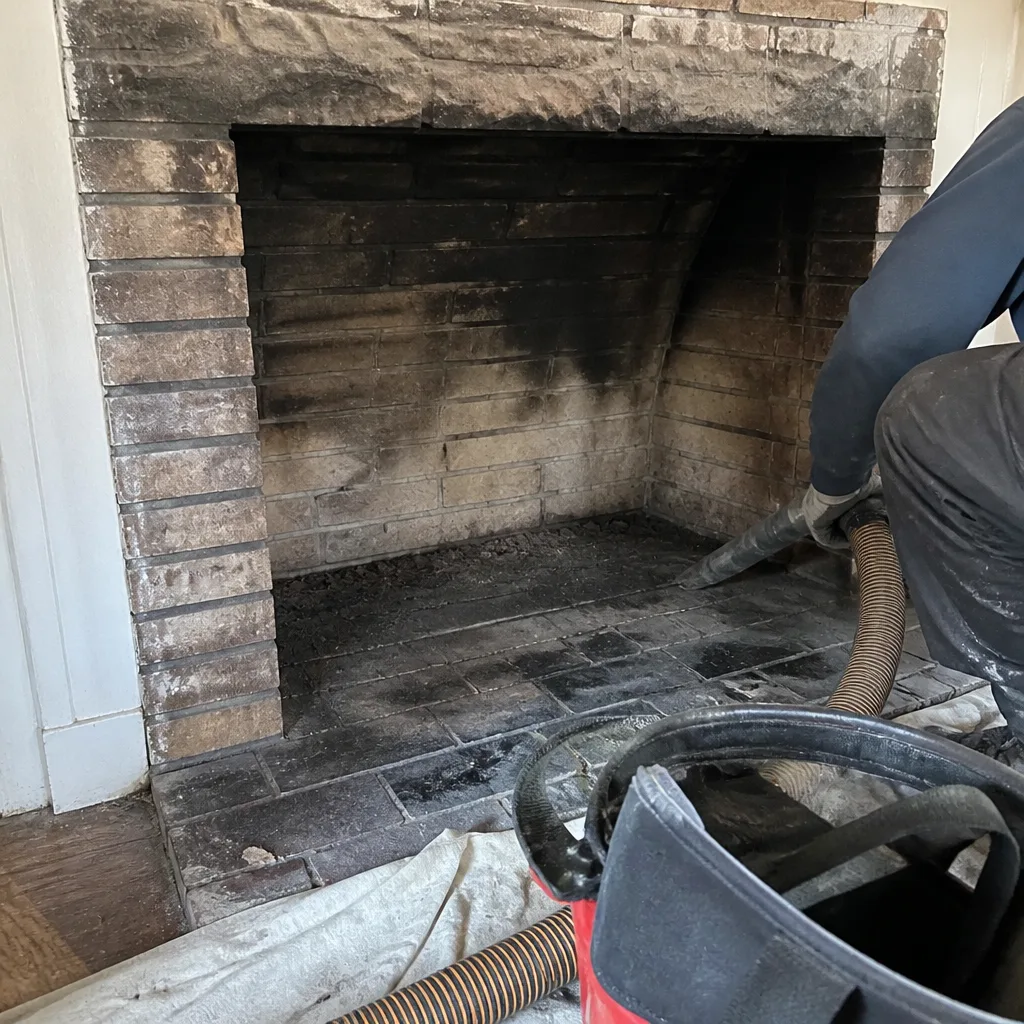 Before
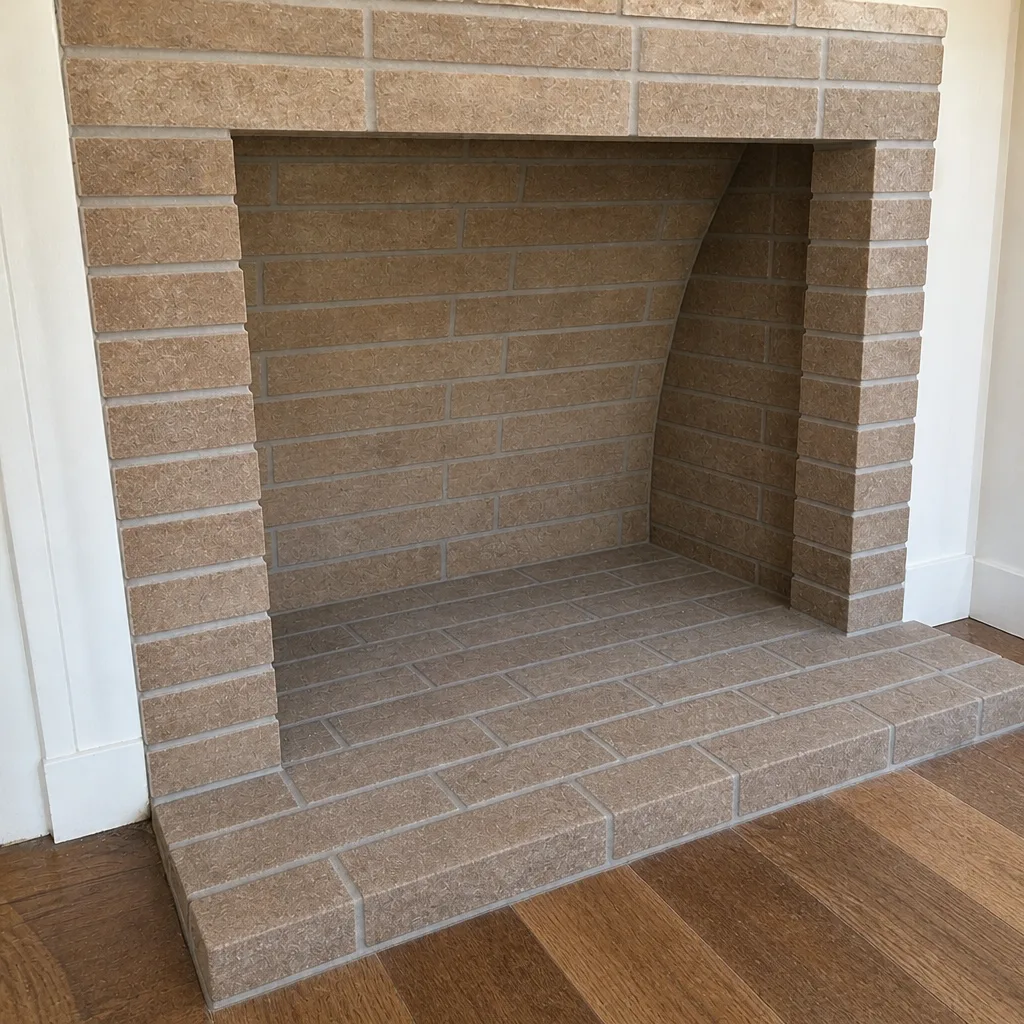 After
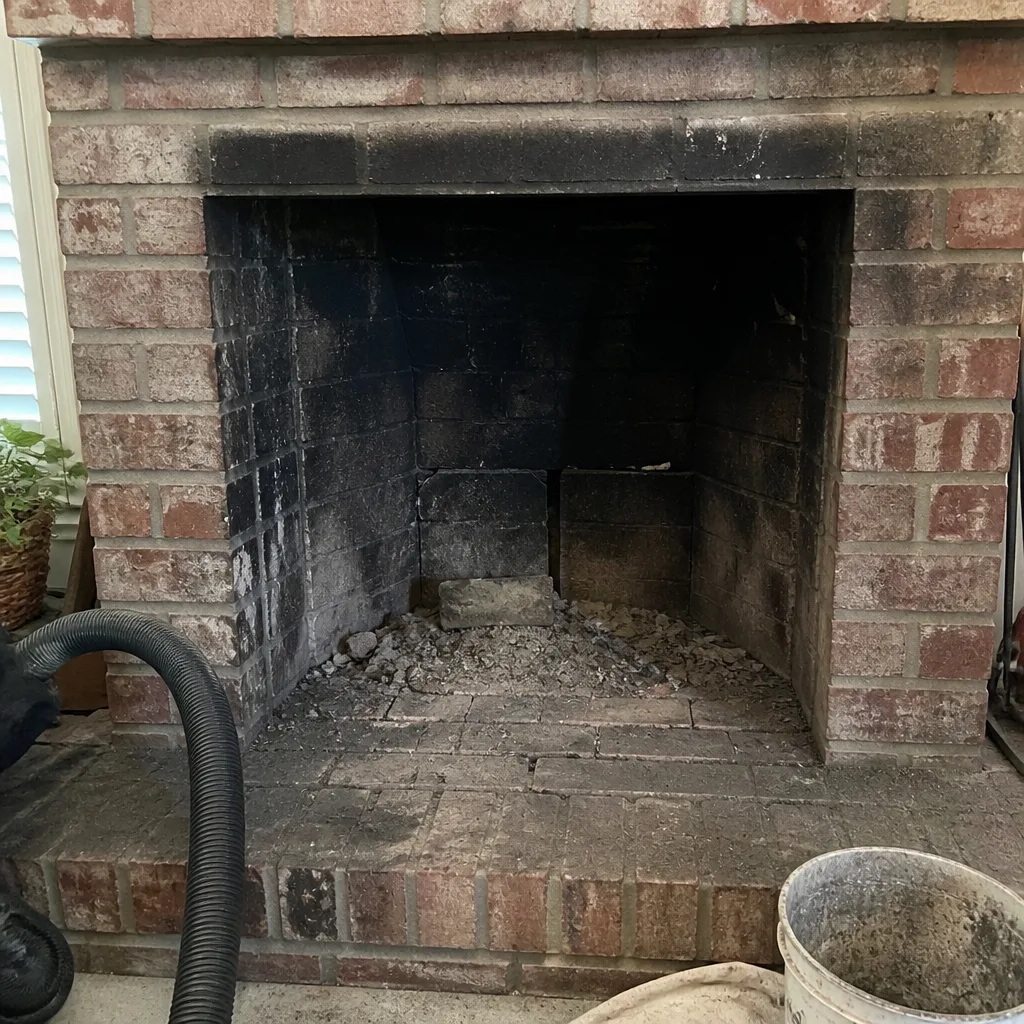 Before
 After
 Before
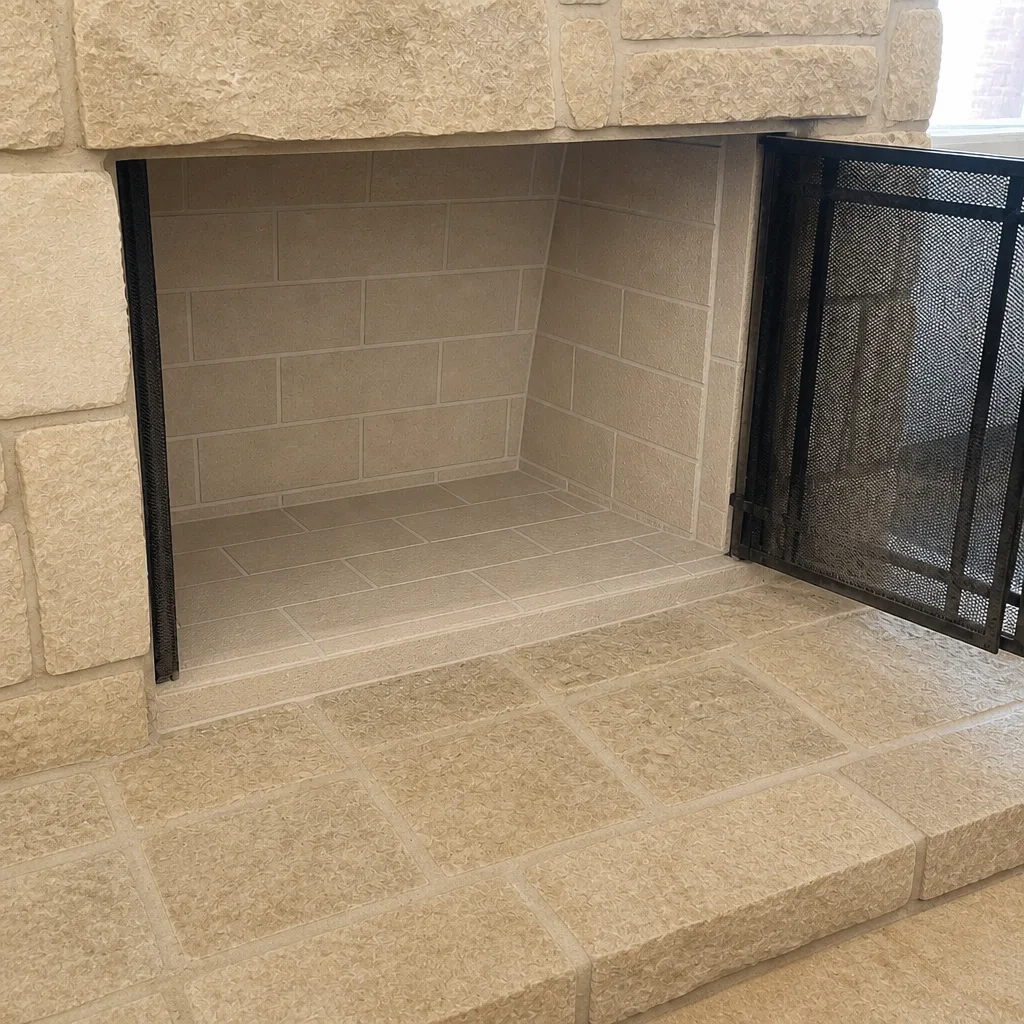 After
When to Call a Professional
Some things are a professional call, and here they are: any smoke spill or odor into the room, a smell of creosote or an oily odor near the fireplace, a visible change in the firebox brick or mortar, a loose or missing chimney cap, water staining or leaks somewhere near the chimney, or a gas insert with a CO detector alert. A chimney fire, even a small one, is a call after the event, because a fire can crack a liner invisibly.
Beyond the urgent cases, schedule the professional inspection every year, and plan for a sweep based on the inspection. A sweep cleans it; an inspection tells you what it actually needs. If you’re unsure, that uncertainty is exactly what the inspection is for. Our technicians have up to experience, and we work with professional-grade components from HeatShield, DuraFlex, Gelco, Copperfield, Famco, and Olympia Chimney. Chimney Sweep Tracy offers free estimates in Tracy. Call (833) 766-1560. We answer 24/7. Fast dispatch from 7am to 7pm, Sunday through Friday. Same-day service is available.
Frequently Asked Questions
A wood-burning fireplace that’s used regularly through the cooler months generally needs a sweep once a year or when the creosote reaches about a quarter inch. A lightly used fireplace might not need sweeping every year, which is why the annual inspection matters – it tells you whether it’s a sweeping year. For a specific answer, call (833) 766-1560 for a free estimate.
Yes, gas inserts should still be inspected annually even though they need very little sweeping. Gas produces soot, moisture, and condensate, and the venting can become blocked by debris. The bigger reason is carbon monoxide, which is invisible and odorless, so an annual inspection verifies the insert is venting safely. Call (833) 766-1560 to book an inspection.
Skipping a season doesn’t necessarily mean an immediate problem, but it means the flue has gone another year without a check, and a small issue – a cracked firebox, a gap in the flashing, a partial cap blockage – has had another year to grow. The cost of catching a problem in an inspection is always smaller than catching it after it has spread. Call (833) 766-1560 to schedule the inspection.
Masonry fireplaces are built from brick or stone, while factory-built units are metal boxes with their own venting and liner system that often look like masonry from the room. The distinction matters for both the inspection and any repair, because factory-built units have their own venting requirements. A trained technician can confirm the type and let you know what maintenance yours needs. Call (833) 766-1560 for an inspection.
The simple checks – debris at the flue entrance, cracked firebrick, a sticking damper, a damaged cap – can and should be done yourself each October. The full inspection of the upper flue, liner, and venting needs tools and a trained eye and isn’t a safe DIY task. The routine checks get you started; the professional inspection gives you the real answer. Call (833) 766-1560 to book one.
Stop using the fireplace and call for service. Smoke into the room means the flue has a draft problem or a partial blockage, and both should be checked before the next fire. If the smoke comes with a fire in the firebox you can’t control, treat it as a chimney fire and get everyone out, call the fire department, then have the chimney inspected. For a smoke spill or odor, call (833) 766-1560. We answer 24/7. Fast dispatch from 7am to 7pm, Sunday through Friday.
The Bottom Line
In Tracy, the right maintenance schedule depends on your fuel type, your burning habits, and the era your fireplace was built – not on a one-size-fits-all annual sweep. The annual inspection is the anchor; the sweep happens when the inspection calls for it. Keep a usage log so your technician can make a specific recommendation instead of a default one, and stay ahead of small repairs before they become relines. Professional-grade components from makers like DuraFlex and HeatShield exist for a reason: the right part for your flue outlasts a generic substitute. Call (833) 766-1560 for a free estimate, and we’ll start with the inspection.
Contact
Scheduling a chimney sweep, inspection, or repair in Tracy starts with a single call. Chimney Sweep Tracy covers all three under one contractor, so you don’t have to coordinate a sweep, a repair crew, and a second inspection. Call (833) 766-1560 for a free estimate. We answer 24/7. Fast dispatch from 7am to 7pm, Sunday through Friday. Same-day service is available, and we list the flat price before booking so you know what you’re paying for. If your last inspection was more than a year ago, that’s the best starting point.
Written by the team at Chimney Sweep Tracy.