
Last updated November 16, 2026
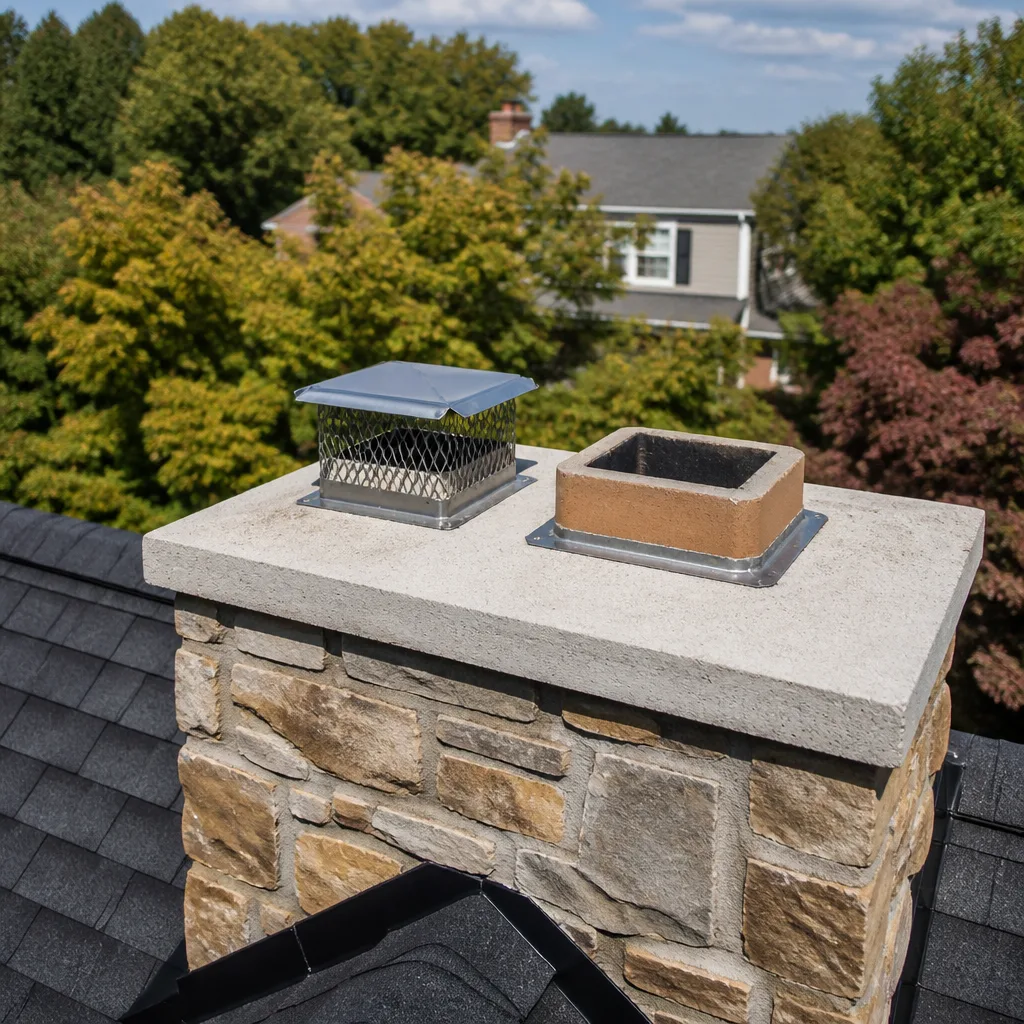 Sweep & inspection
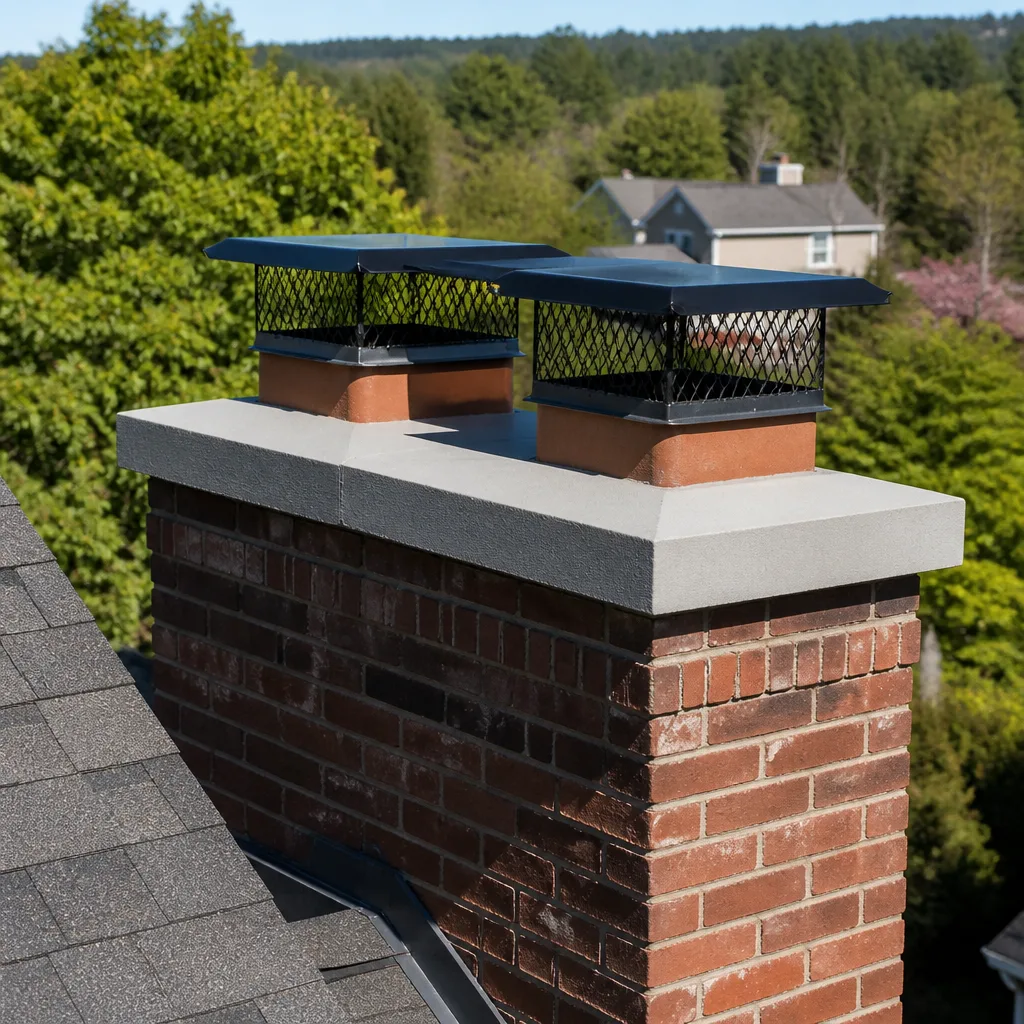 Caps & crowns
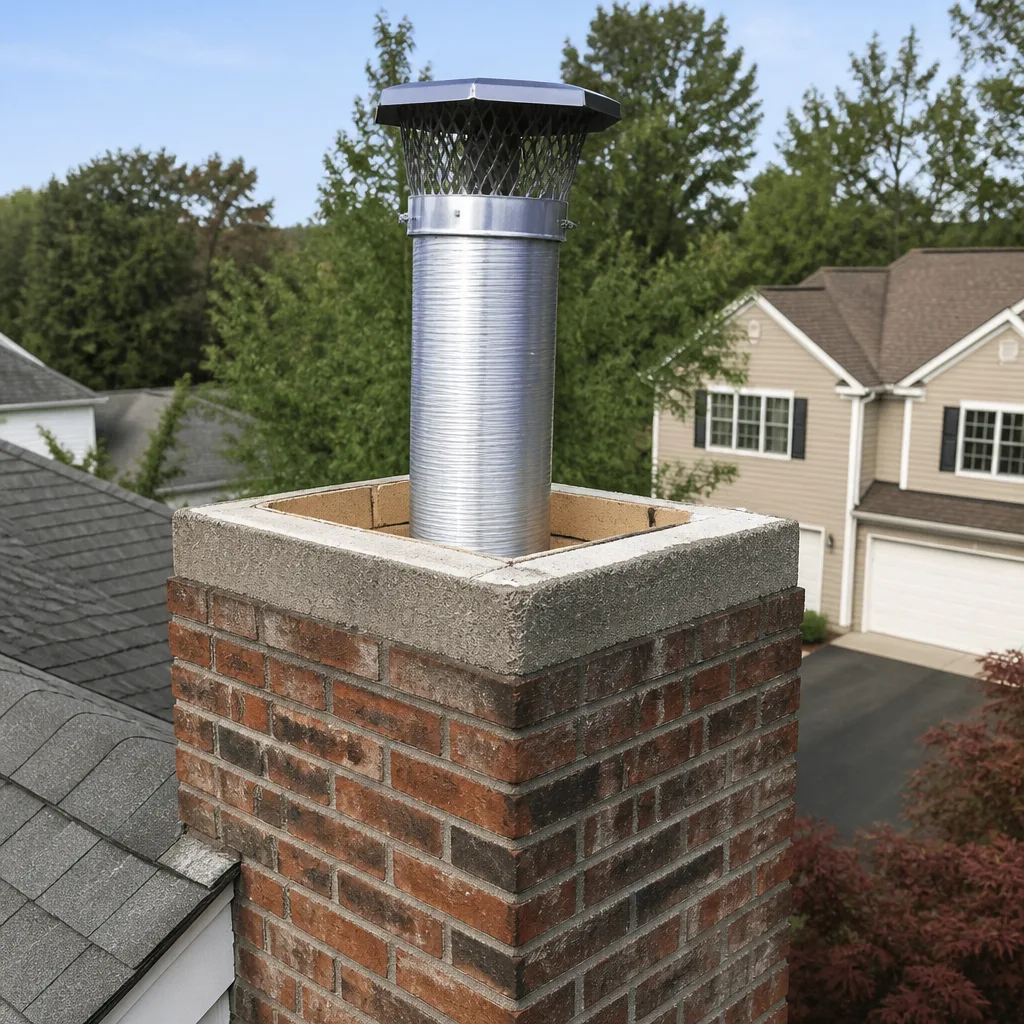 Flue relining
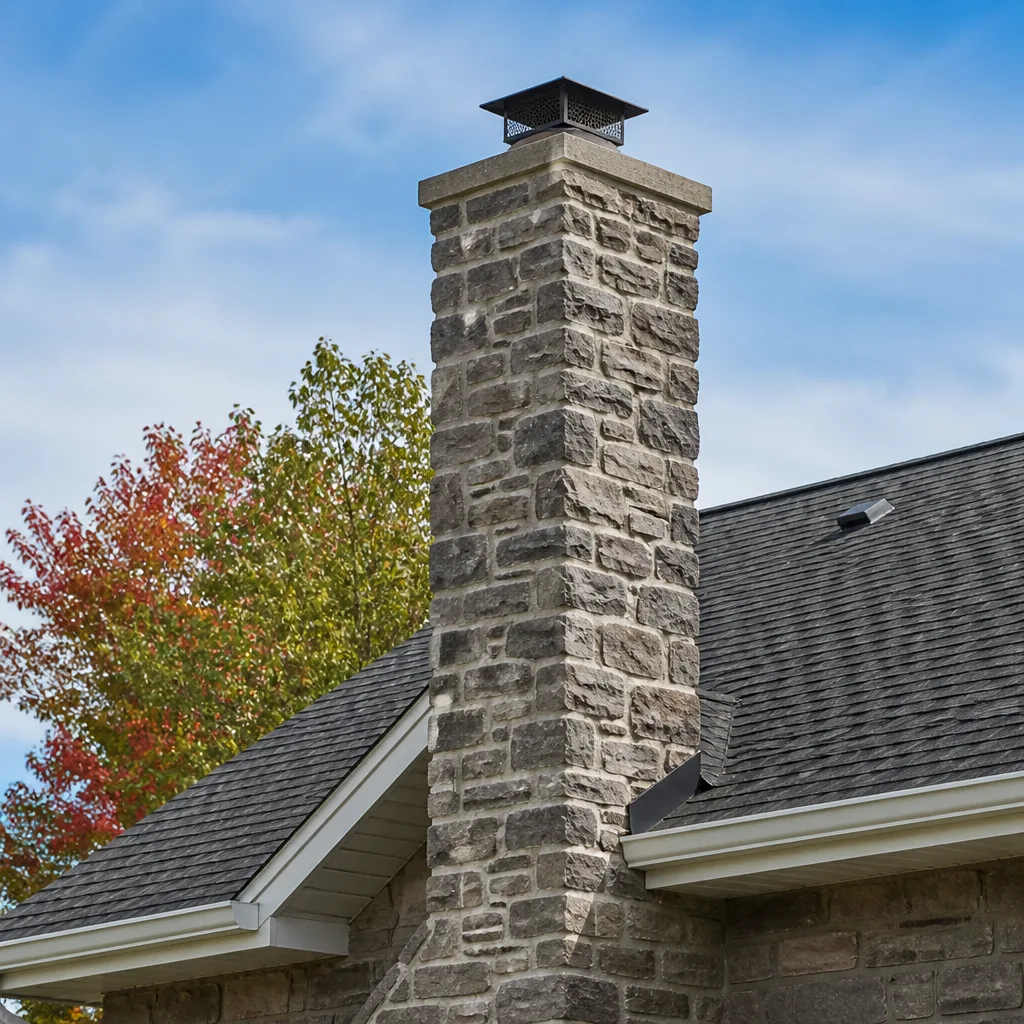 Masonry repair
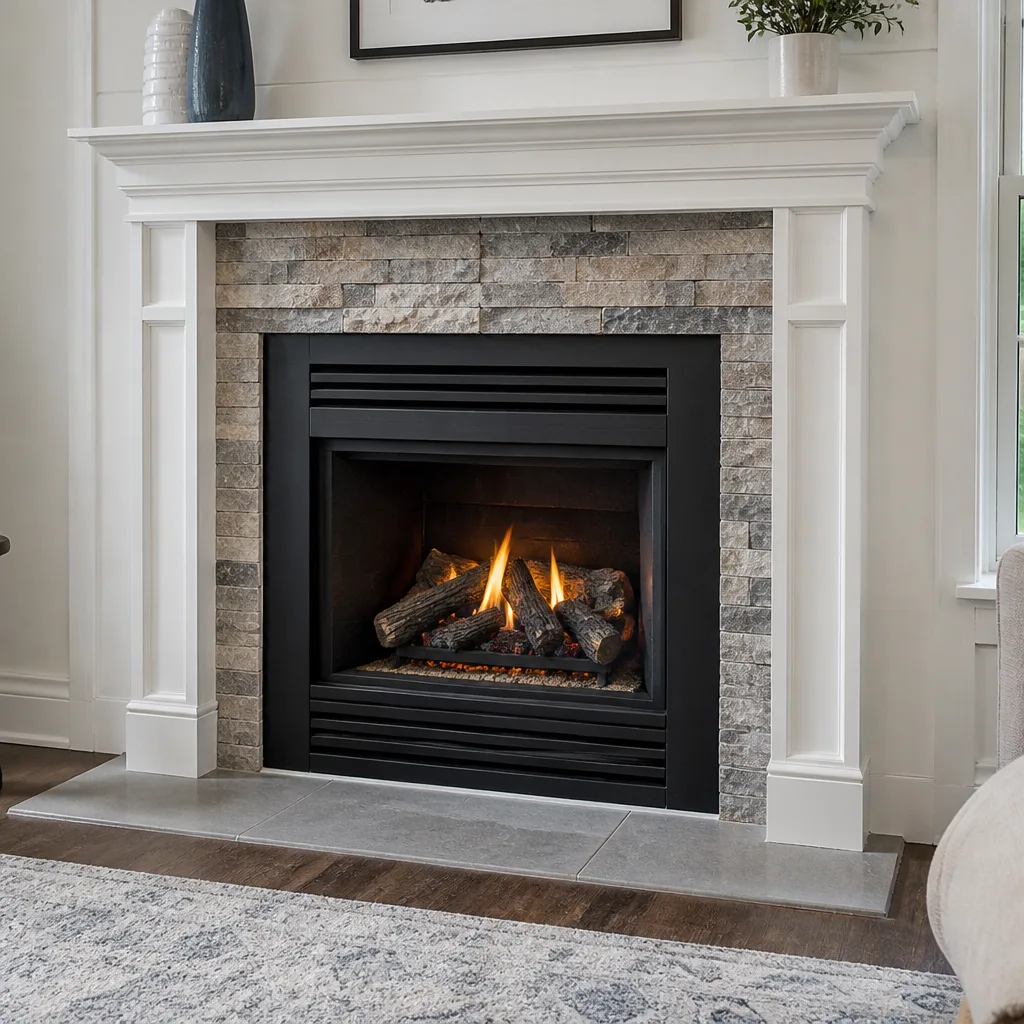 Gas fireplace service
Level 1 sweep and inspection to the NFPA 211 annual standard - flue, crown, cap, and flashing checked and photographed
Chimney sweep logs do not sweep chimneys. They loosen some creosote - which then falls where a brush and vacuum still have to collect it.
Choosing the Right Chimney Cleaning Brand: A Buyer’s Guide for Tracy
If you asked your chimney sweep what brand of liner or crown sealant they use, could they answer without looking it up? In a trade where anonymous offshore components and professional-grade domestic products can look identical from the ground, the answer reveals more about a contractor than their review count does. Most homeowners never ask, and most contractors never volunteer. That gap is where a chimney job that should last a generation quietly turns into a callback in three seasons. This guide breaks down the product categories where brand selection actually matters, what testing and listings really mean, and the exact questions to put in writing before anyone starts work on your flue. We’ll keep every bit of it anchored to Tracy, because what a chimney here faces is its own set of conditions.
Quick Answer
The right chimney cleaning brand is the one whose material specification you can hold in your hand before the job starts. In practice that means a professional-grade stainless liner system with a known alloy grade, a cap built from 22- or 24-gauge stainless rather than painted 24-gauge steel, and an elastomeric crown sealant rather than masonry paint. Ask for the brand, the model, and the alloy in writing. A contractor who can name them plainly is telling you they’ve thought about it. One who can’t is telling you something too.
Styles & brands we work with
- Sweep & inspection
- Caps & crowns
- Flue relining
- Masonry repair
- Gas fireplace service
Table of Contents
- Where Brand Selection Actually Matters
- Stainless Liner Alloy Grades: 304 vs 316L
- Chimney Caps: What Gauge and Material Really Mean
- Crown Sealants vs Masonry Paint
- What “UL Listed” Means for Chimney Liners
- The Brands Professionals Specify by Name
- How to Request Specs in Writing
- Why Tracy Conditions Work Components Harder
Where Brand Selection Actually Matters
Not every product on a chimney job carries the same weight. A brush is a brush. But a handful of components do most of the long-term work, and those are the ones worth interrogating before you sign an estimate. For homeowners in Tracy, the difference shows up in how the system handles a hot, dry fire season followed by a wet winter.
Here’s how we sort the categories when we’re walking a homeowner through a scope:
- Stainless steel liner systems – the single most consequential purchase on the page. The alloy grade and the wall thickness determine whether the liner outlives the appliance above it.
- Chimney caps – small line item, big exposure. A cap is the roof of the entire flue, and a thin one rusts through or lifts off in wind.
- Crown sealants – the flat surface at the top of the masonry that sheds water away from everything below it. Fail here and water finds the interior.
- Flashing systems – the metal that ties the chimney into the roofline. Brand-name flashing kits exist because generic sheet metal bends and gaps.
- Firebox and flue resurfacing materials – ceramic-based products that rebuild deteriorated mortar joints and flue walls without demolition.
Those five are where the money goes and where the failure modes live. Everything else, from the drop cloths to the shop vacuum, is operator technique. Technique matters, but technique can’t rescue a 28-gauge cap on a windy ridge.
One more reality for a Tracy buyer: the market here is not short on contractors willing to quote a reline. It is short on contractors who will tell you which liner they’re quoting and why. Treat that specificity as the filter. A sweep cleans the flue; an inspection tells you what it actually needs; the brand spec tells you how long the fix will hold.
Stainless Liner Alloy Grades: 304 vs 316L
The two stainless alloys you’ll hear quoted on a reline are 304 and 316L, and the difference is not marketing. Type 304 is a general-purpose austenitic stainless with good corrosion resistance in ordinary conditions. Type 316L adds molybdenum to the alloy, which raises resistance to chlorides and other aggressive chemistries. On a chimney flue, especially one serving a wood insert or a gas appliance, that molybdenum content is the difference between a liner that holds its surface and one that starts pitting earlier than it should.
Both are legitimate products when they’re used for the right application. Both are widely available. What matters is that you know which one you’re buying, because the two are often quoted at very different prices without the spec sheet ever leaving the truck.
How to think about the choice
- Ask the alloy grade in writing. “Stainless steel liner” is not a specification. 304 or 316L is. Put it in the estimate.
- Ask about wall thickness. Liner systems are sold in different wall thicknesses, and the thinner tier is a real cost lever. Know what you’re getting.
- Match to the fuel. A wood-burning fireplace and a gas insert don’t stress the liner the same way. A contractor should be able to explain the recommendation in plain terms.
- Confirm the system is listed as a system. The liner, the top plate, the appliance connector and the termination all need to be part of one tested assembly.
- Get the wrap decision documented. If insulation wrap is part of the job, it belongs on the estimate with a thickness.
We install DuraFlex flexible stainless liner systems for full relining, including the offset and non-standard flue configurations that rigid liners can’t navigate. The brand matters because flexible liner construction, the seam quality, and the alloy supply are not uniform across the market. A homeowner in Tracy who wants a liner to outlast the next appliance should be asking the alloy question before they ask the price question.
Chimney Caps: What Gauge and Material Really Mean
A chimney cap is the roof of your flue. It keeps rain, birds, and debris out of a cavity that otherwise has nothing standing between it and the sky. The cap is also the component most often replaced with the cheapest thing available, and that’s where the quality gap gets wide.
Generic caps sold at big-box retailers typically start with 24-gauge steel: a light sheet, often galvanized, sometimes powder-coated, and frequently pushed just barely past the minimum. Professional-grade caps are commonly built from 24- or 22-gauge stainless steel, with the heavier gauge used on the larger and more exposed sizes. The difference in service is straightforward. Painted and galvanized steel loses its coating to weather and then rusts. Stainless holds up when the coating would have failed.
What to look for in a cap spec
- Material: stainless steel, not painted or galvanized steel.
- Gauge: 24-gauge is the standard professional minimum; 22-gauge is used on heavier-duty caps and larger spans.
- Fasteners: stainless screws, not coated or zinc-plated hardware that rusts first and drops the cap.
- Spark arrestor: a screen rated for the appliance and sized so it doesn’t choke draft.
- Fit: a cap that overlaps the flue tiles correctly, not a universal one clamped on and hoped for.
An Olympia Chimney cap is a different product from the anonymous cap in the hardware aisle even when they look similar from the driveway. The cap is not the place to save forty dollars. When we scope a repair, we specify Olympia Chimney components because the fit and the material are known, and because a cap that goes on correctly the first time doesn’t need a callback. Full guidelines on cap selection and repair sit in our chimney repair page.
Crown Sealants vs Masonry Paint
The crown is the concrete or masonry cap at the very top of a chimney, and its job is to shed water off the structure and away from the flue. When the crown cracks, water gets in, and the damage grows from the inside. Paint is not a repair. An elastomeric crown sealant is.
The distinction is one of the easiest for a homeowner to check and one of the most commonly glossed over on an estimate. Masonry paint forms a thin, rigid film. It cracks when the underlying masonry moves with temperature, which masonry does constantly. Elastomeric sealants cure into a flexible membrane that stretches with the movement and stays bonded to the surface. Same idea as the difference between a rigid plastic sheet and a rubber gasket on a moving joint.
Questions that sort a real crown repair from a paint job
- What product is going on the crown? If the answer is a brand of masonry paint, ask why.
- How are the cracks being prepared? A flexible sealant needs a clean, sound surface, and any loose material needs to come off first.
- Is the crown being rebuilt or resurfaced? Those are different jobs with different lifespans.
- What’s happening at the crown-to-flue joint? That transition is where the water often enters.
- Is the job warrantied, and for what? A coat of paint and a built-up crown shouldn’t carry the same warranty language.
Where the crown damage is moderate, we reach for a ceramic-based resurfacing product. HeatShield is a recognized name in liner and crown resurfacing, and it’s available as an option when the structure underneath is still sound. That’s the real value of a branded, established product line: it lets us recommend the right-sized solution instead of jumping straight to the biggest one. The right solution depends on your flue, not on what grows the invoice.
What “UL Listed” Means for Chimney Liners
A UL Listed chimney liner has been tested as part of an assembly, not as a loose piece of metal. The listing matters, and it’s the number one thing a homeowner misunderstands about the reline conversation.
Here’s what the listing actually covers. The manufacturer submits a specific system: the liner, the top termination, the appliance connector, the insulation wrap where used, the clearances to combustibles, and the installation instructions. The product is tested as that complete assembly, and the listing is granted for that complete assembly installed in the prescribed way. What the listing does not cover is a piece of listed liner cut, fitted, and connected with parts that aren’t on the instruction sheet.
This is the part worth underlining for a Tracy homeowner: a UL Listed product installed incorrectly still fails. The listing is a statement about the manufacturer’s tested design. It’s not a promise about any particular installation. Inspectors who evaluate flue systems against code and listing are looking at whether the installation matches the manufacturer’s instructions, not solely at whether the box had a stamp on it.
What to confirm about your liner’s listing
- The whole assembly: confirm the liner, the top plate, and the appliance connector are all from one listing.
- The install instructions: ask to see that the work followed the manufacturer’s installation instructions, not just a generally accepted method.
- The inspection record: a photo record of the installation supports the listing claim later.
- The appliance clearance: the reline must respect the appliance’s own listing and clearance stack.
Installation is where the value of a professional comes in. The best-listed components are worth exactly what the installer makes of them. That’s why we treat the sweep, the inspection, and the repair as one workflow with one paper trail: it’s the only way you can see whether the assembly in your flue matches the assembly the manufacturer tested.
The Brands Professionals Specify by Name
In this trade, a handful of names show up in CSIA and NFPA training material because they’re the benchmarks contractors hold each other to. They cover different jobs, and knowing what each one is for helps you decode an estimate.
- DuraFlex – flexible stainless liner systems for full relining of deteriorated or non-compliant flues, including offsets and non-standard configurations.
- HeatShield – ceramic resurfacing for liner restoration and crown repair, used where the underlying flue structure allows.
- Gelco – professional-grade products for the flue evaluation and sealing side of chimney work.
- Famco – flashing and top-sealing systems. Brand-name flashing kits are specified because the fit and material are known.
- Olympia Chimney – chimney caps and terminations built to the heavier material spec.
- Copperfield – repair and restoration components specified by name for restoration work.
Our Chimney Sweep Tracy service works with these six brands because they’re the lines serious contractors already specify. Famco flashing systems and Copperfield components show up on restoration work where compatibility and longevity matter most. When you see them named on an estimate, you know what’s going up. When you see “stainless liner” with no brand, you know exactly as much as you knew before the estimate.
None of this means a brand name alone makes a job good. It means the name is a starting point you can verify. Our technicians have up to experience with these product lines, and that experience is telling us which line fits a given flue, not whether any line will do.
How to Request Specs in Writing
A material specification is a one-page document that says exactly what’s being installed. Any legitimate contractor can produce one, because the manufacturer publishes it. Asking for it should be routine, and a contractor’s response to the ask is one of the most informative things you’ll learn before work starts.
Here’s the process we recommend. It’s the same one we walk our own customers through, and it’s what to do before anyone starts on a flue in Tracy.
- Ask for the spec before the estimate is finalized. Not after the deposit. Not on the day of the job.
- List each product by category. Liner, cap, crown sealant, flashing, and connector. One line each, with brand and model.
- Ask for the alloy and gauge. 304 or 316L for stainless; 24- or 22-gauge for the cap. These are the numbers that separate the tiers.
- Ask where the product is listed. Manufacturer, listing body, and the system the listing covers.
- Ask for the installation method. A summary is fine. The point is that the installation follows the manufacturer’s instructions.
- Ask what’s excluded. Every estimate leaves something out. Get the exclusions in writing too.
What a contractor’s reluctance to provide these signals is straightforward. If the spec can’t be produced because it hasn’t been checked, the job is being quoted on price with the durability left to chance. If the spec can’t be produced because the products aren’t named, there’s no way to know what’s going in. Either way, the reluctance tells you what the estimate will cost you later. A written estimate sets the final price, and the spec is what makes that price mean anything.
Why Tracy Conditions Work Components Harder
Tracy sits in the San Joaquin Valley, and that has real consequences for the materials on a chimney. The local climate is hot, dry, and dusty in summer, with a wet winter on the other side. That cycle, hot and dry followed by damp, is exactly the kind of environment that separates a component’s rated life from its actual life.
The summer side is hard on sealants and the flexible parts of the system. High heat drives thermal expansion in the steel and the masonry, and the crown and the flashing are the joints that take the movement. That’s why an elastomeric crown sealant earns its money here: it flexes rather than cracks. A rigid painted crown gets through one or two thermal cycles before it’s already showing hairline cracks.
The dust side is easy to underestimate. Valley dust finds its way into flue and firebox surfaces, and a heavier-gauge, well-fitted cap keeps more of it out. A thin cap that’s been bent or lifted in the wind is a wide-open flue. We see caps here that have been chewed up by heat and wind, and the story is almost always the same: the cap was the least expensive line item on a job years earlier.
The wet-winter side is where the crown and the flashing meet the weather. The transition from the crown down to the flashing is where water usually enters, and the quality of the sealant and the flashing kit determines whether it’s a slow drip into a masonry cavity or a dry chimney all winter. The reason we specify Famco flashing systems on repair work is exactly this: a branded, fitted flashing kit handles the water test, and a generic bent sheet doesn’t.
The upshot for a Tracy homeowner is that the local climate isn’t a reason to spend more; it’s a reason to spend carefully. The component failures we see on Tracy rooftops are exactly the ones brand selection would have prevented. That’s the whole point of the guide. For the routine part of keeping a flue in shape, the chimney sweep schedule is where the brand questions start, because the inspection record from a routine sweep tells you which components are already wearing.
Common Mistakes to Avoid
- Accepting “stainless liner” as a specification. It’s a category, not a product. Without an alloy grade and a wall thickness, you don’t know what you’re getting, and it’s the most common gap in Tracy reline quotes.
- Letting a cap get swapped to the cheapest unit. A 24-gauge painted cap on a hot, windy Tracy roof is the first component to fail. Ask for stainless and a gauge.
- Accepting a crown “repair” that’s really a paint coat. Masonry paint doesn’t flex. An elastomeric sealant does. The words on the estimate tell you which one you’re getting.
- Assuming a UL stamp covers the install. The listing covers a tested assembly installed to instructions. It says nothing about a piece of listed liner connected with random parts.
- Skipping the spec questions on a small job. The flashing and the crown are the small line items, and they’re the ones that fail first.
- Letting one contractor quote a reline and never asking why. If a reline is being recommended, ask what the inspection evidence is. DuraFlex relining and HeatShield resurfacing are both valid; the choice should follow from the flue, not from the top of the price list.
- Splitting the sweep and the repair across two contractors. The inspection record and the repair spec should come from the same place, so the person doing the repair is working from the photos and the evidence.
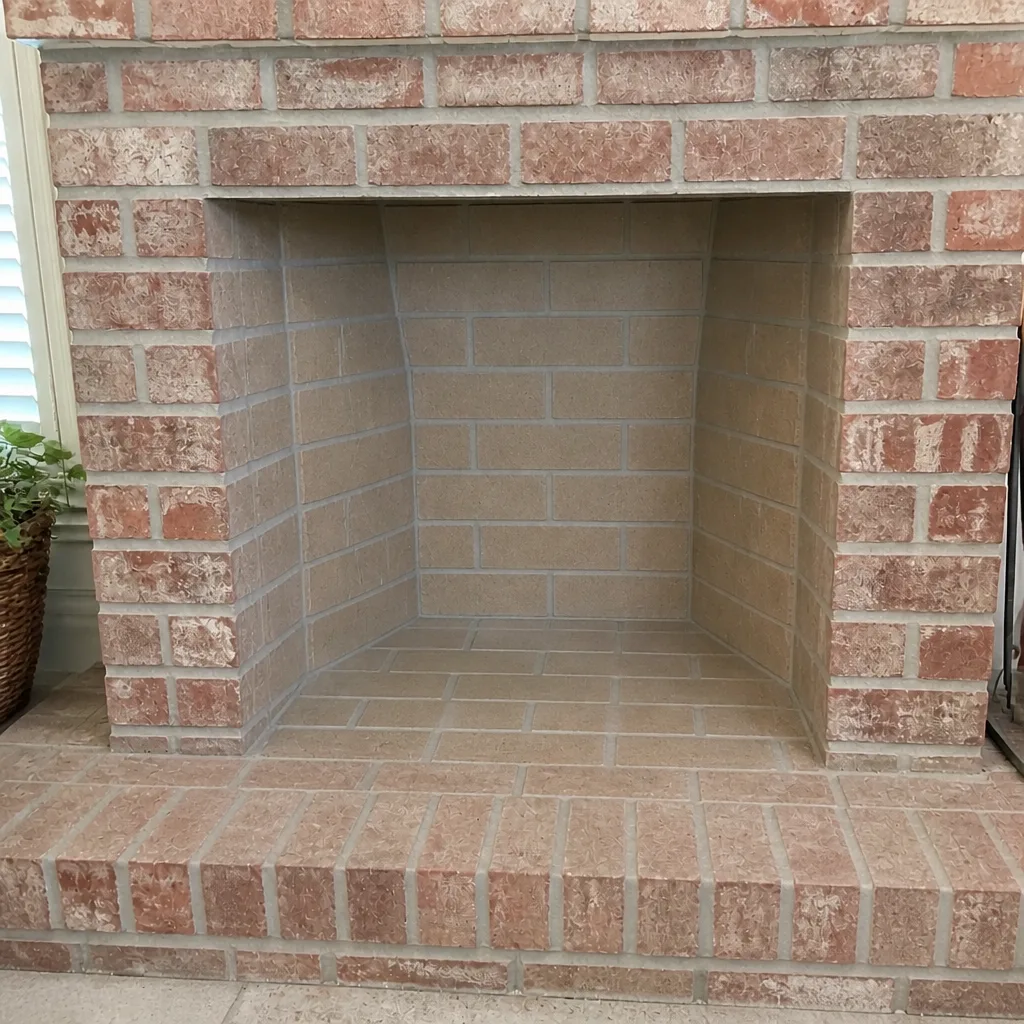
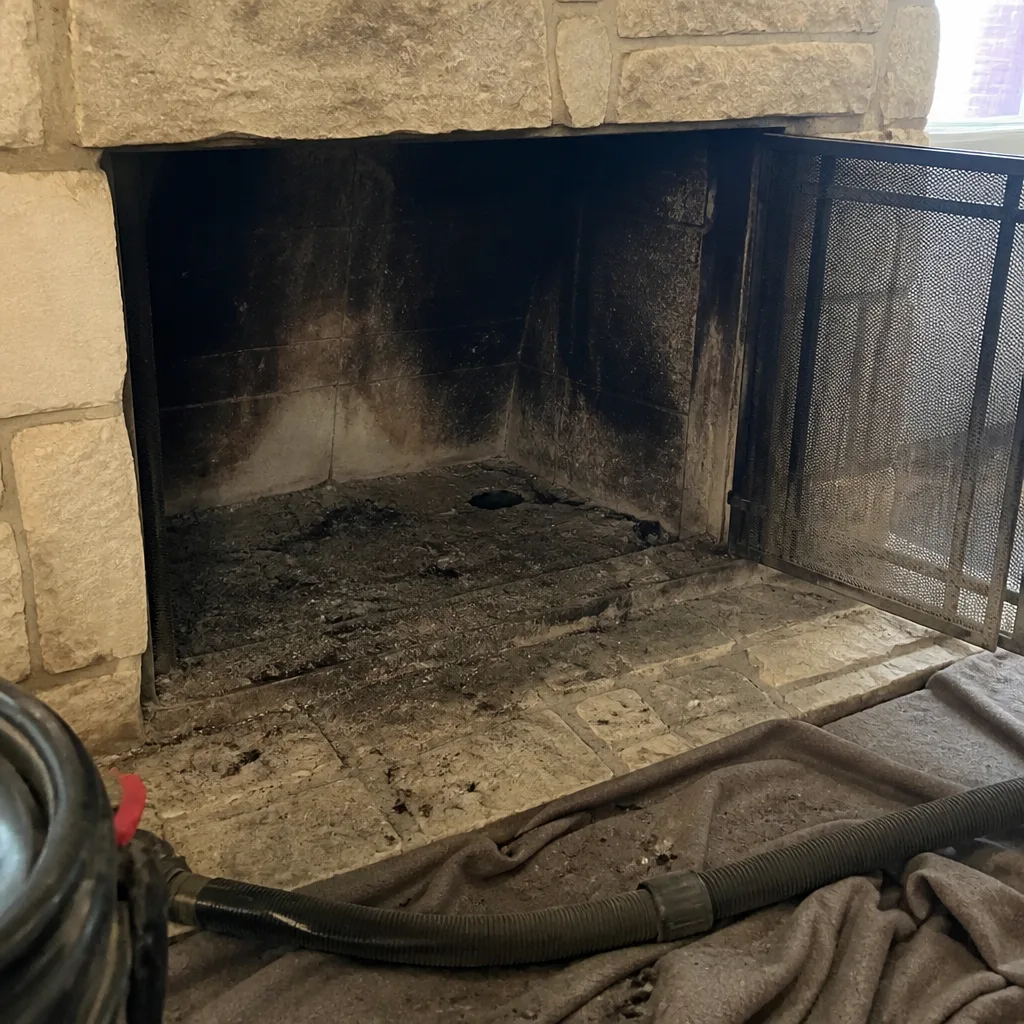
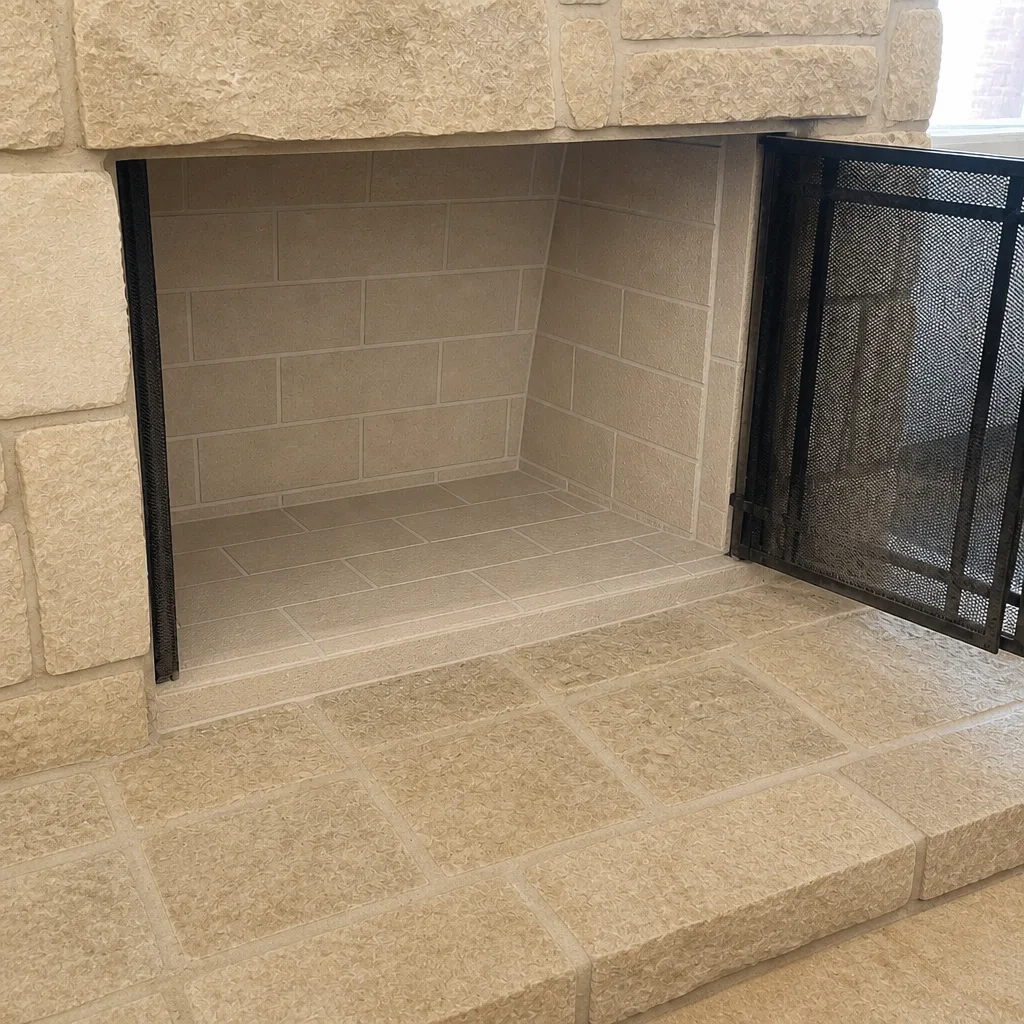
See the difference
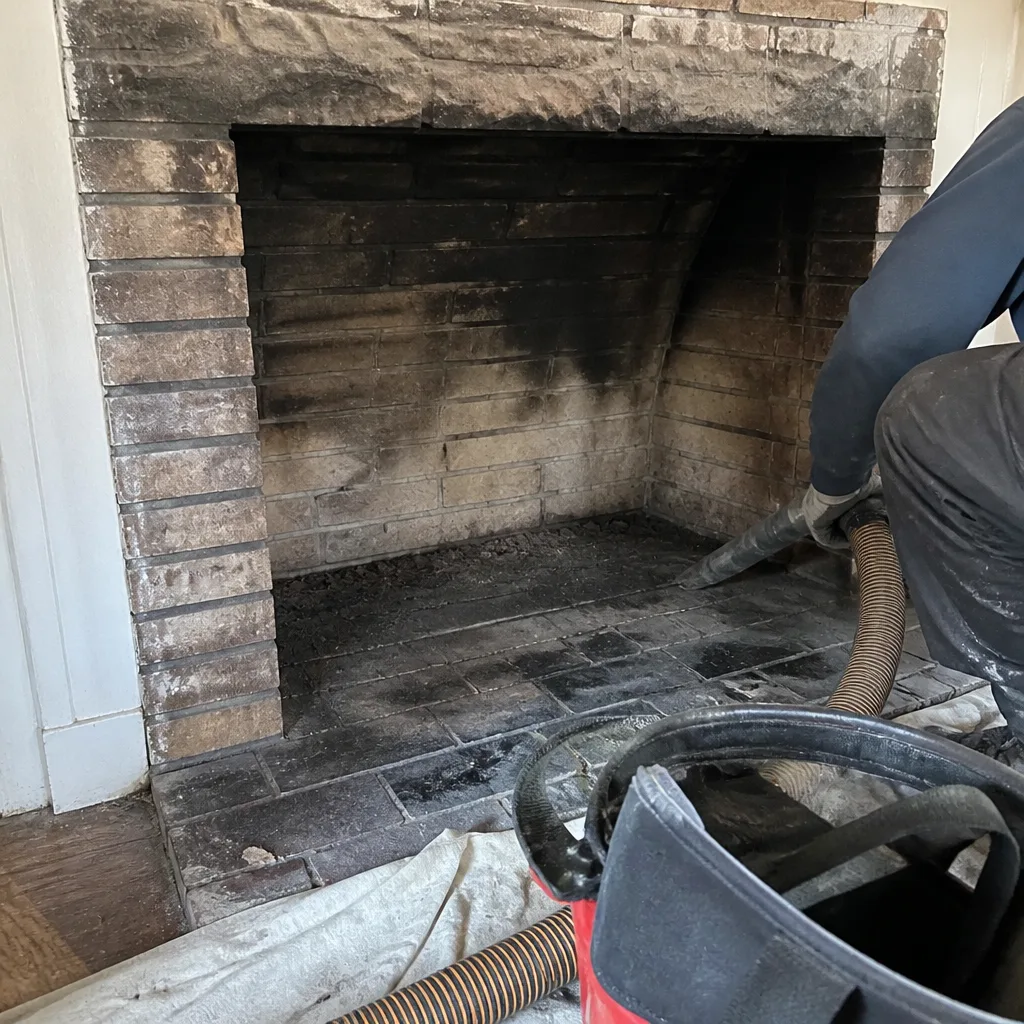 Before
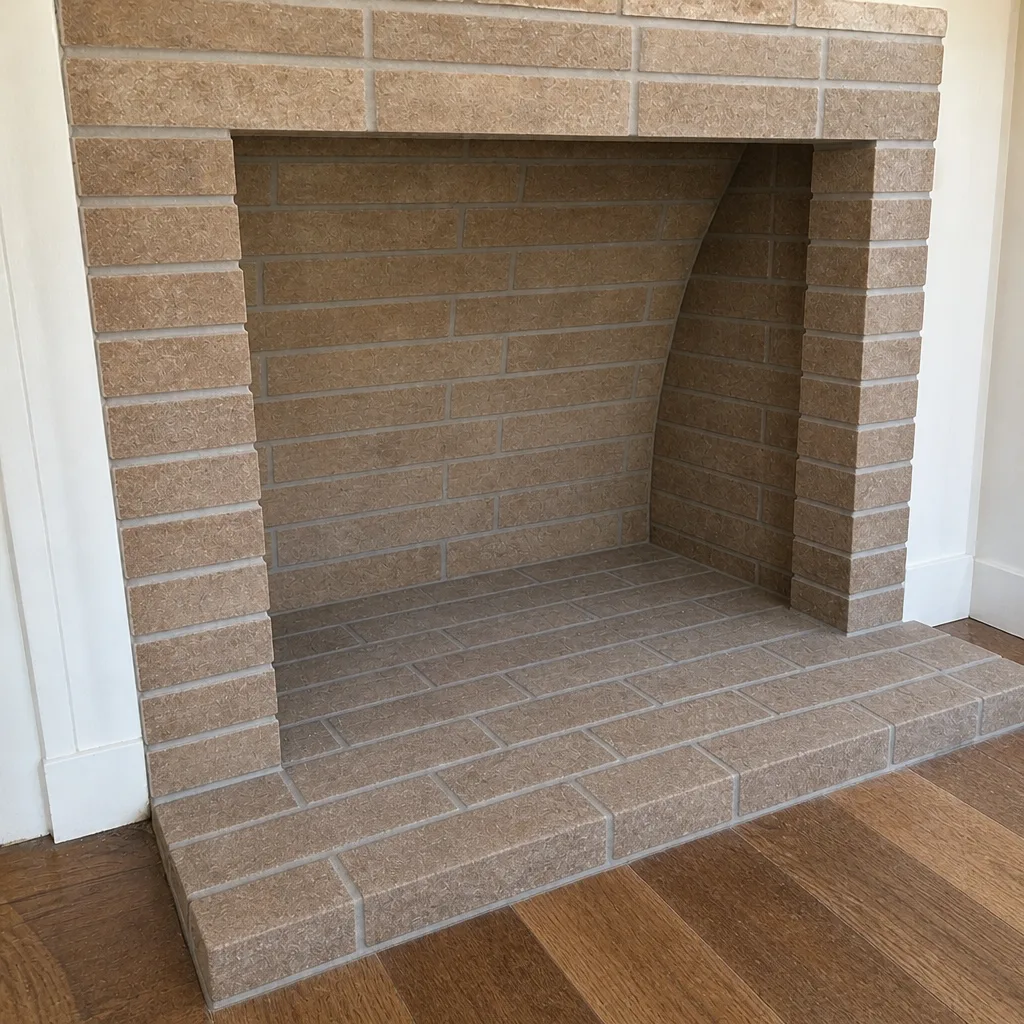 After
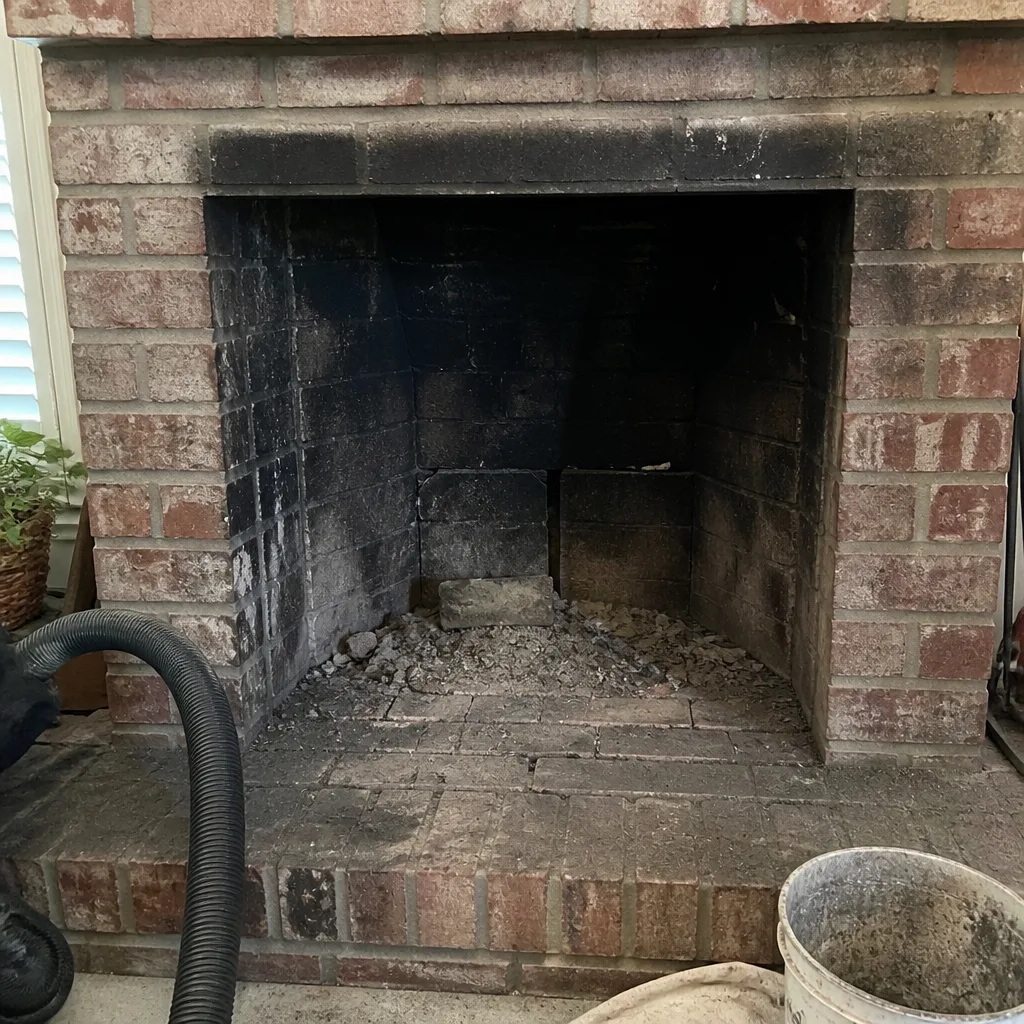 Before
 After
 Before
 After
When to Call a Professional
Call a professional when you smell smoke in the house when the fireplace isn’t burning, when you see visible cracking at the crown or the firebox, when the cap is loose or missing, or when you don’t know the last time the flue was inspected. Those are all cases where the brand questions and the inspection questions overlap, and where a written scope is worth more than a phone quote. High-tension springs and electrical or gas work are not part of a chimney sweep’s scope and belong to a trained trade professional. For a chimney job, the inspection comes first, and the products come after. Chimney Sweep Tracy offers free estimates in Tracy, and we can put the product spec next to the inspection photos so you can decide. Call (833) 766-1560. We answer 24/7. Fast dispatch from 7am to 7pm, Sunday through Friday.
Frequently Asked Questions
There isn’t one best brand; there’s a best match between the flue, the appliance, and a tested system. A flexible stainless liner from a known manufacturer, with the alloy grade and wall thickness documented, will outperform an unbranded liner of the same general type. Named professional lines like DuraFlex are specified because the construction and the alloy supply are known, not because a logo makes a flue better. The important part is the written spec. Call (833) 766-1560 for an exact quote; estimates are free.
UL Listed means the manufacturer submitted a complete liner assembly for testing and it passed. It’s not a general quality stamp on a piece of metal. The listing covers the liner plus its top termination, connector, insulation, and the installation instructions. If the installer uses parts outside that assembly or skips a step, the listing doesn’t cover the result. Ask which system was tested and confirm the install follows it. Call (833) 766-1560 for an exact quote; estimates are free.
316L carries molybdenum, which improves resistance to aggressive chemistries, and it’s the safer recommendation for applications where that matters. 304 is a legitimate option where the conditions are ordinary. The right answer depends on the fuel and the flue, and the honest answer is that it depends. What should never happen is the decision being made without telling you which alloy you’re buying. Call (833) 766-1560 for an exact quote; estimates are free.
Look at the top of the crown on a dry day. Hairline cracks across the surface, or a crown that’s pulling away from the flue tile at the joint, point to a real repair rather than a coating. An elastomeric sealant or a ceramic resurfacing product is the appropriate fix in those cases. A coat of masonry paint over a cracked crown just changes the color of the crack. Call (833) 766-1560 for an exact quote; estimates are free.
Yes, and you should. Ask for brand and model for each product category, plus the alloy grade and gauge. A legitimate contractor can produce that from the manufacturer’s published data without effort. Reluctance to answer is the signal to pay attention to. A written estimate sets the final price, and a spec is what makes that estimate mean something. Call (833) 766-1560 for an exact quote; estimates are free.
Because Tracy’s summer heat and wind, followed by a wet winter, are exactly the conditions that take a cheap cap apart. A generic cap in painted steel loses its coating and rusts. A professional-grade cap in 24- or 22-gauge stainless, properly fitted, does the job for much longer. The cap is the roof of the whole flue. It’s the wrong place to save a few dollars. Call (833) 766-1560 for an exact quote; estimates are free.
The Bottom Line
Brand selection in chimney work comes down to the material spec. The alloy of the liner, the gauge and material of the cap, and the choice between a flexible crown sealant and a rigid paint coat are the three decisions that determine how long a job lasts. Ask for the spec in writing. A named professional line from a manufacturer like DuraFlex, HeatShield, Gelco, or Olympia Chimney is a starting point you can verify, not a marketing badge. A contractor who volunteers the spec before you ask is telling you how they work. A contractor who can’t produce one is telling you too.
Chimney Sweep Tracy offers free estimates in Tracy. We work with six professional-grade brands, and we put the inspection evidence and the material spec on the page before we quote the repair. Call (833) 766-1560. We answer 24/7. Fast dispatch from 7am to 7pm, Sunday through Friday. If a call comes in outside those hours, it’s booked into the next opening, Sunday through Friday, 7am to 7pm.
Written by the team at Chimney Sweep Tracy.