
Last updated November 16, 2026
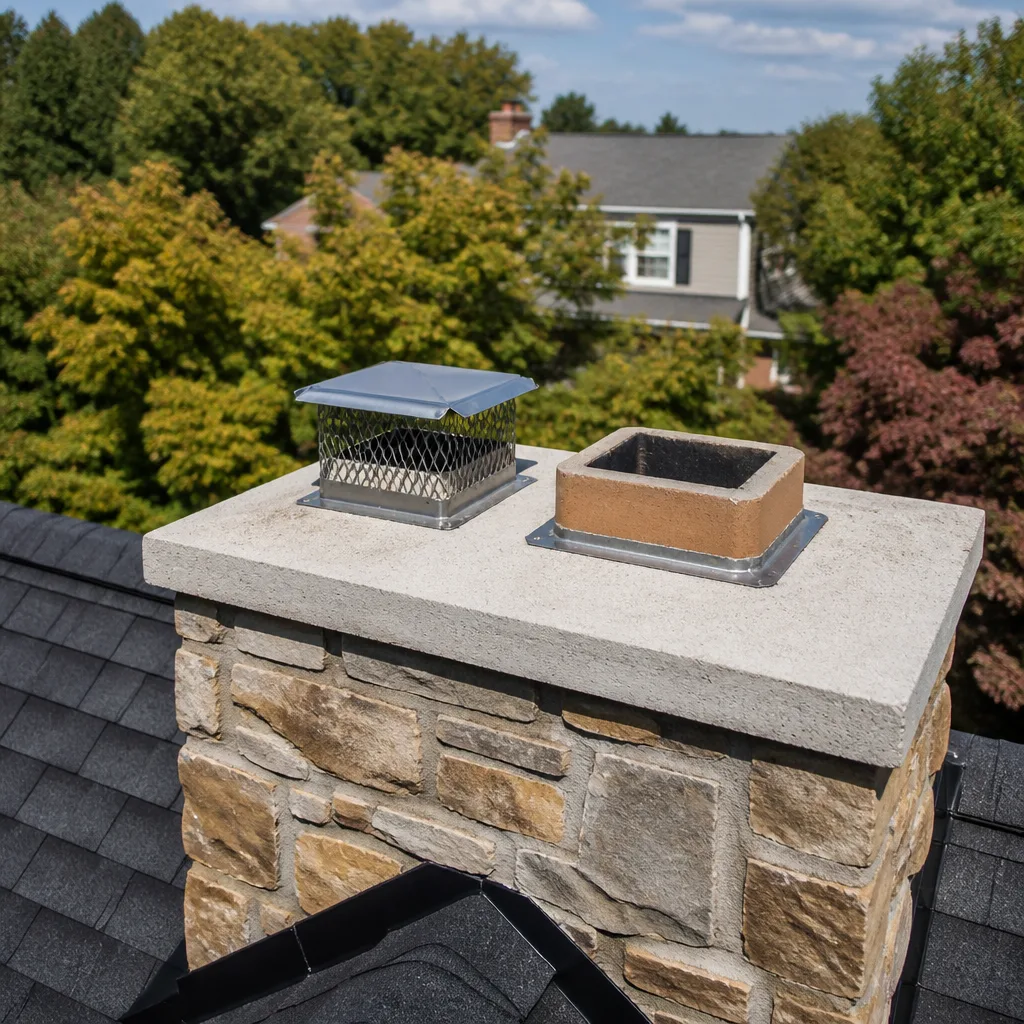 Sweep & inspection
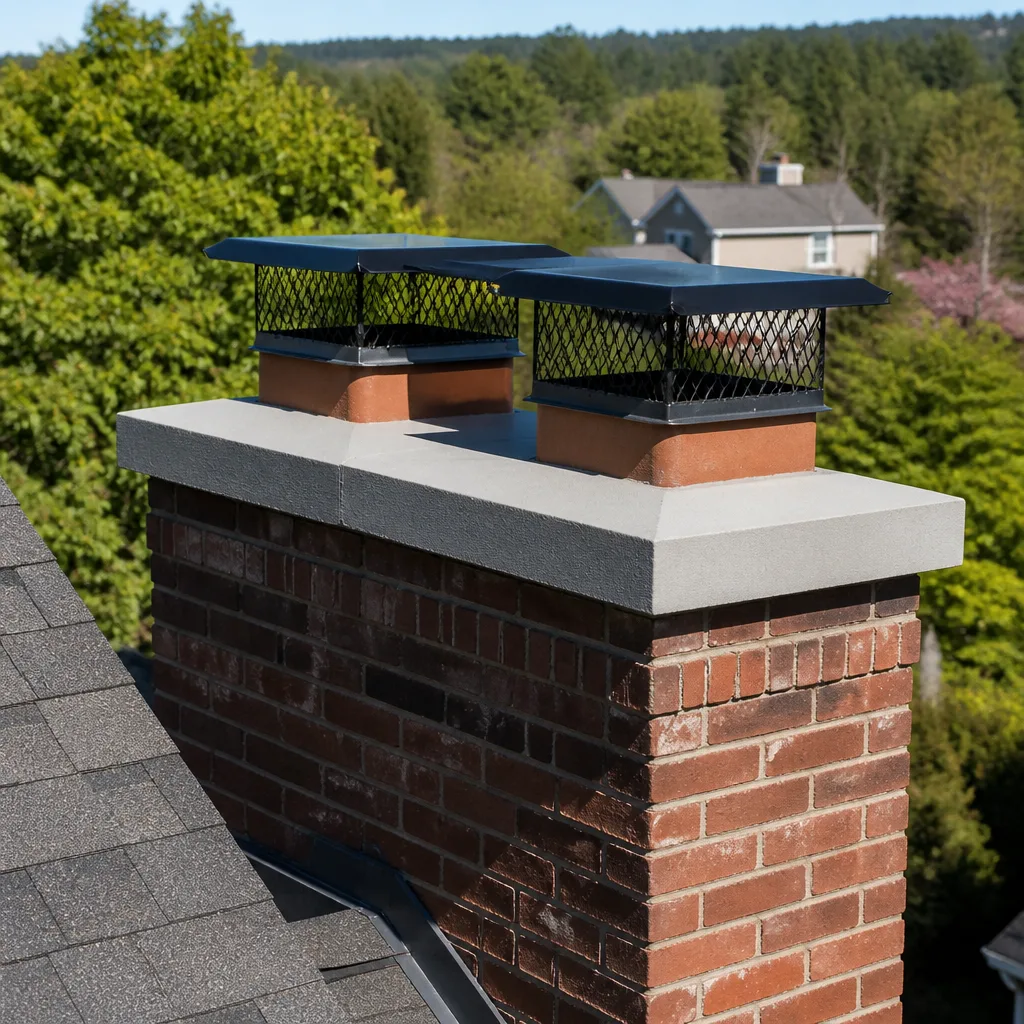 Caps & crowns
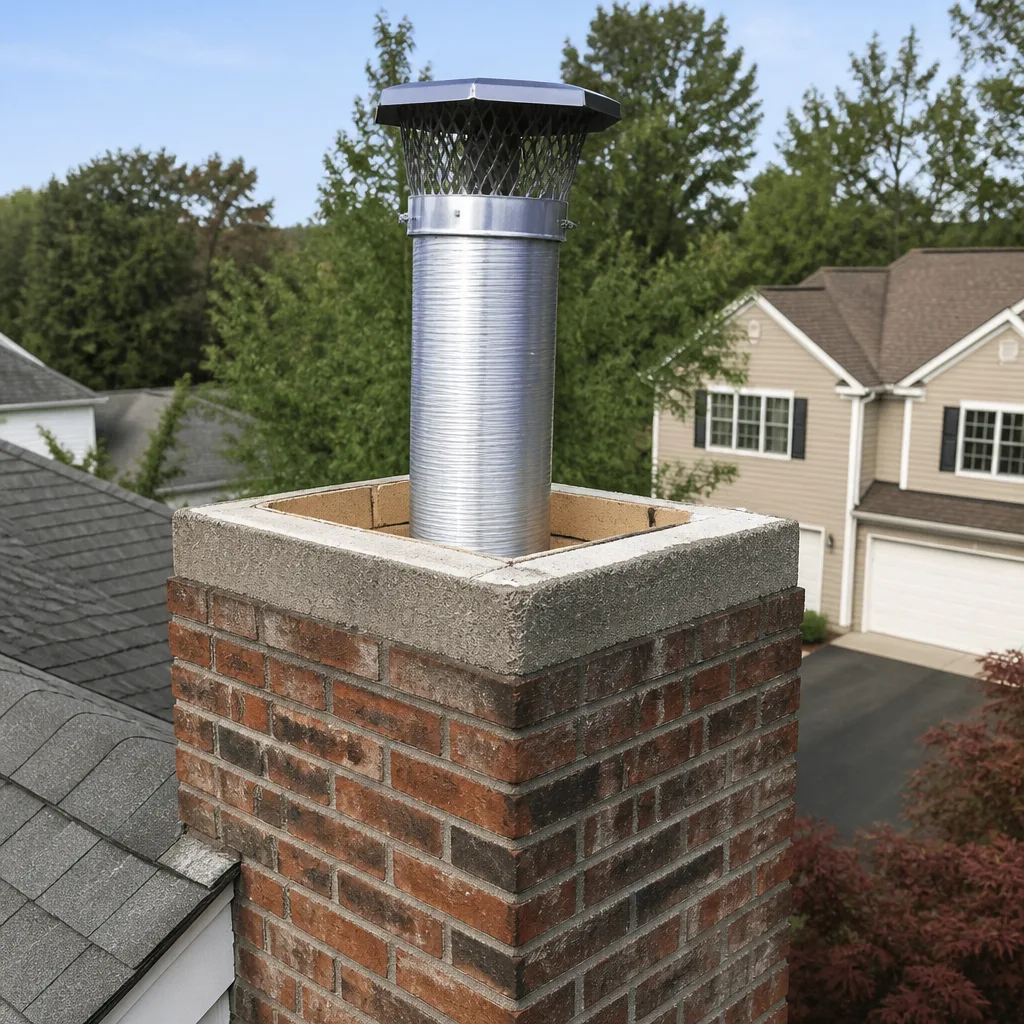 Flue relining
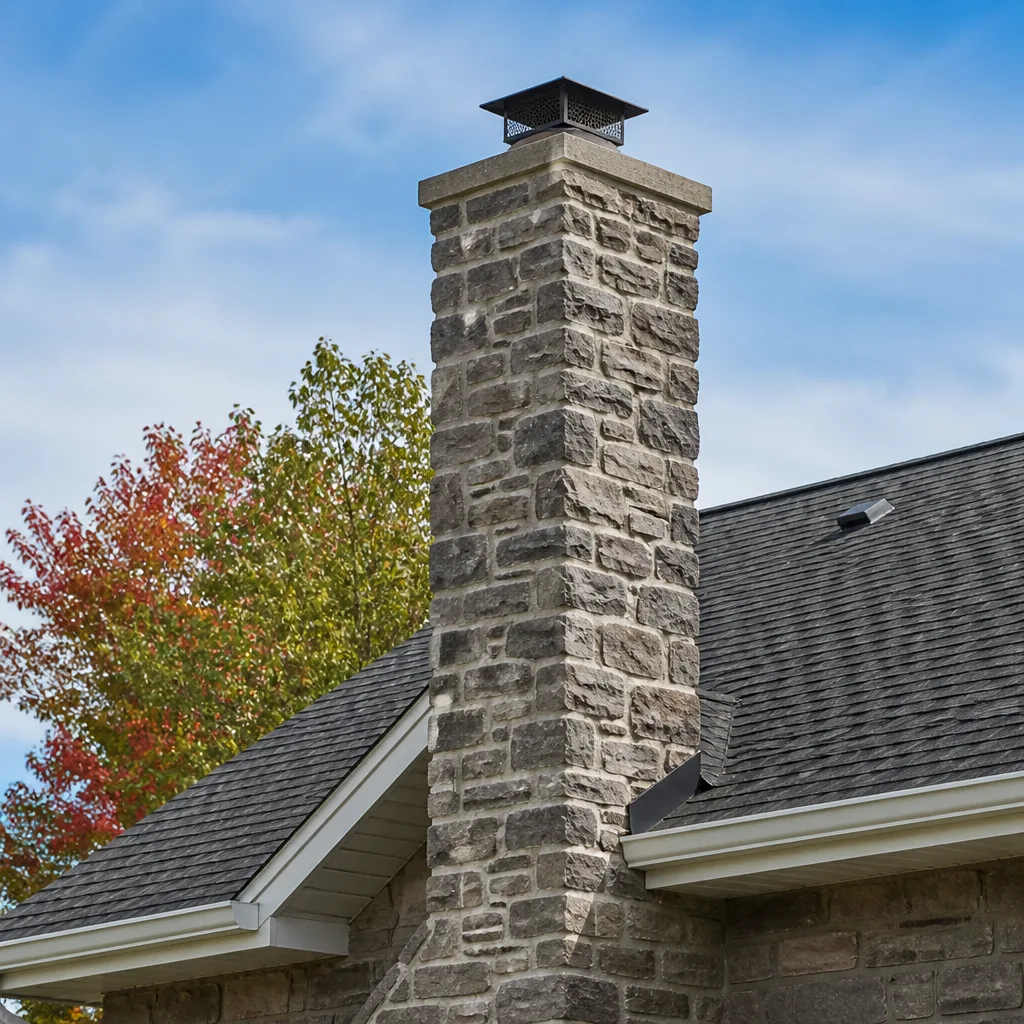 Masonry repair
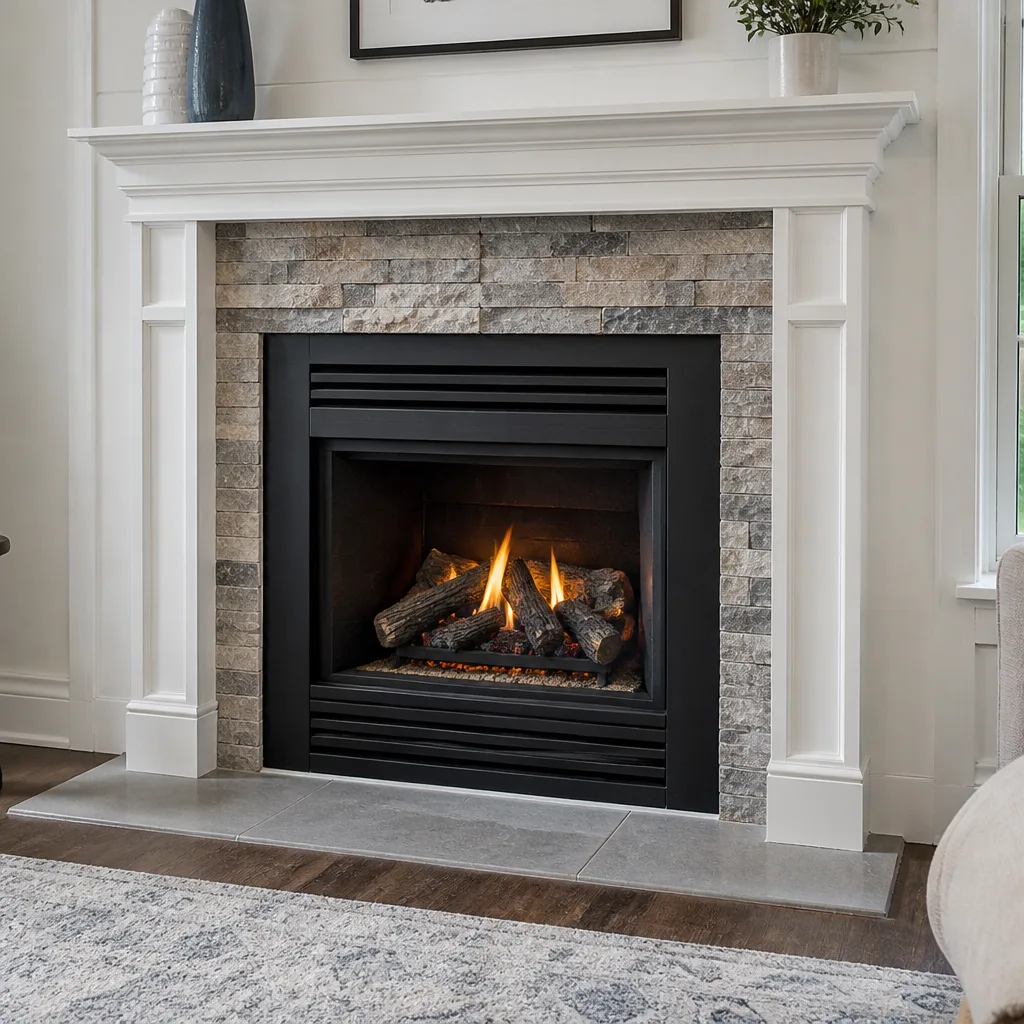 Gas fireplace service
Level 1 sweep and inspection to the NFPA 211 annual standard - flue, crown, cap, and flashing checked and photographed
Chimney sweep logs do not sweep chimneys. They loosen some creosote - which then falls where a brush and vacuum still have to collect it.
Chimney Sweep Troubleshooting in Tracy: Common Problems and How to Fix Them
When smoke rolls into the living room, almost every homeowner blames the damper first. In many Tracy homes, that’s the wrong suspect. The masonry fireplaces built into a lot of this town’s housing stock were sized and drafted for a house that didn’t have a modern forced-air system pulling air out of the same rooms. When a return duct competes with the flue for air, the chimney loses, and the symptom looks exactly like a stuck damper. This guide teaches you to read the actual signals your chimney is sending: the smell, the smoke behavior, the sound, the color of the creosote. Read them correctly and you can describe the right problem to the right professional instead of guessing.
Quick Answer
Most chimney problems in Tracy trace back to one of four root causes: a flue that’s too cold or too small for the fire you’re building, negative pressure inside the house from HVAC and exhaust fans, a damaged flue liner or mortar joint, or creosote buildup that narrows the flue. Reading the symptom correctly tells you which one you’re dealing with, and that determines whether you need a standard sweep, a camera inspection, or to stop using the fireplace until someone looks at it.
Styles & brands we work with
- Sweep & inspection
- Caps & crowns
- Flue relining
- Masonry repair
- Gas fireplace service
Table of Contents
- Matching symptoms to root causes
- Why smoke rolls back into the room
- The three stages of creosote and what they look like
- How Tracy’s seasonal swings affect mortar and liner
- What a smell is telling you
- Sounds, cracks, and when they matter
- The decision tree: sweep, inspect, or stop using it
- What you can watch yourself vs. what needs a professional
Matching Symptoms to Root Causes
Every chimney failure has a fingerprint. Before you pick up a phone, write down three things: what you see (smoke, staining, cracked masonry), what you smell (sharp, sour, smoky, metallic), and what you hear (popping, rumbling, ticking). Those three observations narrow the problem faster than anything else you can tell a technician.
Here’s how the most common symptoms line up with their likely causes in Tracy homes:
- Smoke spilling into the room when you light a fire: Most often negative pressure from a competing exhaust source (bathroom fan, kitchen hood, HVAC return) or a flue that’s too cold to establish draft. Second most common is a partial blockage.
- Sour or sulfur-like smell, even with no fire burning: Usually creosote that’s been exposed to moisture, or a downdraft bringing outside air back through a dirty flue.
- Weak, lazy draw even in a hot fire: A flue that’s undersized for the firebox, creosote narrowing the flue, or a liner that’s partially collapsed or offset.
- Popping or rumbling during a fire: Moisture in the wood or in the masonry itself expanding as it heats. Sometimes it’s creosote igniting at the flue surface.
- White staining on exterior brick: Water getting behind the flashing and leaching salts through the masonry. The flashing, not the brick, is usually the problem.
- Smoke smell in the house days after a fire: A blocked or dirty flue, or a damper that doesn’t seal.
None of these symptoms is ambiguous to a trained eye, but every one of them has more than one possible cause. That’s why the observation matters so much: “it smells like sulfur” tells a sweep something quite different from “it smells like smoke.”
Why Smoke Rolls Back into the Room
This is the single most misdiagnosed problem we see in Tracy. The homeowner reports smoke spillage, assumes the damper is broken, and the damper turns out to be fine. The actual cause is pressure.
A masonry fireplace needs air to burn, and that air has to come from somewhere. In an older house with loose construction, air leaks in through gaps around windows and doors, and the flue draws fine. In a house that’s been tightened up, weatherstripped, or fitted with a modern forced-air system, the house becomes a sealed box. Now, when the furnace runs, or a kitchen exhaust hood runs, or two bathroom fans run at once, those appliances pull air from the house, and the easiest place for replacement air to enter is down the chimney. The chimney is now drafting backwards, and when you light a fire, smoke fills the room.
There are a few things you can watch for to confirm this on your own before calling anyone:
- Light a candle or a small piece of newspaper near the open damper before you light a fire. If the smoke from the flame pulls up into the flue, you have positive draft. If it hangs or blows back into the room, the flue is fighting you.
- Crack a window on the same wall as the fireplace and try again. If the fire catches cleanly with the window open, pressure is the issue.
- Check what else is running in the house. Turn off the furnace, the kitchen hood, and any bathroom fans, then try again.
The fix isn’t always a new chimney. Sometimes it’s as simple as opening a window a couple of inches at startup. Sometimes it’s sizing the fire correctly for the flue. And sometimes it’s a chimney that needs a liner upgrade or a top-sealing damper to behave. A camera inspection tells you which.
The Three Stages of Creosote and What They Look Like
When a sweep tells you that you have stage 2 creosote, that’s not a sales script. It’s a description of a specific physical condition inside your flue, and the stages mean very different things for what happens next.
Stage 1: Soot and light flake
This is the normal byproduct of a well-managed fire. Stage 1 creosote looks like a dry, papery, black or dark brown flake coating the inside of the flue. It brushes off easily with a standard sweep, and it’s not a fire risk on its own. If your flue is at stage 1 and you burn clean, dry wood with good draft, you’re in the healthy range.
Stage 2: Crust and flake
Stage 2 is where a standard brush sometimes isn’t enough. It forms as a harder, crusty layer, sometimes with shiny patches, and it takes a rotary brush or a chemical treatment to remove fully. Stage 2 creosote comes from fires that burn a little cold or a little smoldery: wood that’s not fully dry, a flue that never gets hot enough, or a fire that’s choked down before it burns clean. It’s the most common stage in homes that only burn a few fires a year and don’t clean the flue regularly.
Stage 3: Glaze
Stage 3 is a shiny, hardened, tar-like coating fused to the flue surface. It’s dense, it doesn’t brush off, and it burns hot and volatilizes readily. Stage 3 creosote is the condition most associated with chimney fires, and it’s the one that warrants stopping fire use until a sweep has inspected the flue and cleared it. Glaze usually signals a long pattern of cold fires and skipped sweeps, sometimes stacked with a flue that was never quite sized right.
If a sweep ever tells you that you have stage 3 creosote, ask what it looks like on camera. A sweep who can’t or won’t show you is telling you something too.
How Tracy’s Seasonal Swings Affect Mortar and Liner
Central Valley climate does something to masonry that coastal California homes don’t experience in the same way. Winters here are mild, and summers run hot and dry for months. Those swings show up in the chimney long before they show up anywhere else in the house.
Mortar is the softest part of the masonry assembly. During hot, dry months, it contracts. During the cooler, wetter stretch of the year, it expands again. Over many seasons, that cycling opens hairline cracks at the joints. Once a joint opens, water gets behind it, and the next round of heat drives that moisture out through the surface of the brick. That’s why exterior white staining and crumbling mortar at the crown are so common in Tracy homes that haven’t had the flashing or crown checked.
Clay tile liners behave differently. They’re rigid and they don’t flex with the masonry. When the masonry around them moves, tiles crack. A hairline crack in a tile is not always a fire hazard on its own, but it’s a channel for heat and gases to reach the surrounding framing, and it’s the entry point for water. That’s why a sweep usually wants to see every tile joint on a flue inspection, not just the top few feet.
The takeaway here isn’t that Tracy chimneys are fragile. It’s that the seasonal swing this climate delivers is exactly the kind of cycling that stresses mortar joints and tile liners, so it’s worth looking at the crown, the flashing, and the visible tile joints at least once a season rather than assuming the chimney takes care of itself.
What a Smell Is Telling You
Chimney odors come in flavors, and each one points somewhere different.
- Sour, acrid, or sulfur-like: Creosote that has absorbed moisture and is off-gassing. Common after a wet stretch, especially if the flue hasn’t been cleaned. The fix is a sweep, not an air freshener.
- Stale smoke smell when there’s no fire: A downdraft from the flue, often worse on warm days when the outdoor air is warmer than the indoor air. The flue has become the house’s exhaust path for cigarette-smoke-style odor from the firebox.
- Musty or earthy smell near the chimney: Water is getting in somewhere. It could be the crown, the flashing, or a missing cap. Musty odor is a water call, not a fire call.
- Metallic or hot smell during a fire: The flue is being overfired or the firebox is being run hotter than it’s built for. Warmth that’s hotter than usual, or a metallic smell, is a sign to close the damper and let the fire burn down.
- Gas smell with no fire running: This one is not a chimney troubleshooting question. Turn off the appliance if you can, leave the house, and call your gas utility.
In our experience, most “my chimney stinks” calls in Tracy trace back to creosote with moisture in it, and the fix is a proper sweep plus a cap that keeps rain out of the flue. If the smell is musty instead of acrid, the answer is usually flashing work.
Sounds, Cracks, and When They Matter
A fire makes noise. That’s normal. But there’s a particular family of sounds that means stop and look.
Popping and ticking during a fire usually means moisture is boiling out of the wood or the masonry. It’s common when you burn wood that hasn’t dried enough, or when the flue is still cold. It’s worth checking, but it usually resolves when the fire gets going. A low rumbling noise is a different matter: it can be the sound of air being pulled through a starving flue, and it can also be the sound of creosote igniting on the flue surface. If the rumble is accompanied by a hot smell, a bright flame at the top of the firebox, or smoke coming from anywhere other than the chimney top, treat it as a possible chimney fire: stop feeding the fire, close the damper, get out of the house, and call the fire department.
Cracks matter on a slower timeline. Cracks visible in the firebox brick are worth a look. Cracks at the chimney crown or the exterior masonry are worth a look. Cracks in the flue tile, visible only by camera, are worth a look but not a panic. The difference between “worth a look” and “stop using it” is whether the crack has started to open, whether you can see daylight through it, and whether there’s any staining that suggests water or hot gas has been moving through it.
If you can see a crack in the flue or firebox and you can also see staining around it, that’s the combination that calls for a camera inspection before you light another fire.
The Decision Tree: Sweep, Inspect, or Stop Using It
Here’s the framework we use ourselves. You can apply it to your own situation before you call anyone.
- Light fire, smoke comes in the room: Try the window test and turn off exhaust fans. If a fire burns cleanly with a window cracked, you’re dealing with pressure, and a standard chimney sweep with a pressure check is the right first call. If smoke still rolls in with a window open, stop and call for an inspection.
- Fire burns but draws weak or slow: Book a standard sweep. A dirty flue, a partially blocked cap, or a flue that’s been narrowed by creosote is the usual cause.
- You see, smell, or hear anything suggesting a chimney fire (rumble, hot smell, smoke from masonry, dark staining that’s new): Stop using the fireplace. Do not light another fire until a sweep has done a full inspection. This is the one case where “wait and see” is the wrong instinct.
- You’re buying a house in Tracy or the surrounding area, or you haven’t had an inspection in a few seasons: Request a camera inspection. It’s the only way to see the condition of the flue at every joint, not just what’s visible from the firebox.
- You suspect water intrusion (musty smell, staining, crumbling mortar, missing cap): Schedule a chimney inspection and be prepared for repair work on the crown, flashing, or cap. A sweep alone won’t fix a water problem.
- You smelled gas: Not a chimney call. Utility company, now.
One useful rule: a sweep cleans the flue, and an inspection tells you what the flue actually needs. Those are two different services, and you want a contractor who does both under one call rather than a sweep today, a repair crew next week, and a re-inspection after that.
What You Can Watch Yourself vs. What Needs a Professional
Some chimney problems are worth monitoring yourself. Others are not a homeowner project.
You can reasonably monitor these
- The smell and color of smoke during a fire.
- Whether a candle flame pulls up or hangs at the open damper.
- Visible exterior brick, mortar, crown, and flashing, from the ground with binoculars if needed.
- The cap and the spark arrestor, for visible blockage or bird nests.
- Any change in how the fireplace behaves from one season to the next.
These need a trained professional
- Anything involving climbing on a roof or working at height. Roofs here get hot, and the pitch and the sun are not worth risking a fall.
- Anything involving the flue liner. A camera inspection is the only accurate way to see liner condition, and a damaged liner is a fire and carbon monoxide path.
- Any work on the firebox, crown, or masonry. Repointing, rebuilding, and resurfacing are jobs for a trained chimney mason, not a homeowner with a caulk gun.
- Any gas appliance flue. Gas venting is a carbon monoxide concern, and it always warrants a professional.
The bottom line: observe freely, repair carefully. The moment the job involves heights, a flue interior, or a gas appliance, call a professional. When you’re ready, a chimney repair visit should include a camera inspection and a written report, and any repair should be quoted in writing before any work begins.
Common Mistakes to Avoid
- Blaming the damper for every smoke rollback. In a lot of Tracy homes, the damper is fine and the pressure is the problem. Test the pressure before you spend money on a damper repair.
- Burning wood that isn’t dry. Wet wood burns cool, deposits stage 2 and stage 3 creosote, and is the leading cause of the sour smell that shows up in the off-season. Wood should be seasoned and split, and it should sound hollow when you knock two pieces together.
- Choking a fire down to make it last. A smoldering fire is a creosote factory. If you want heat overnight, burn hotter and let the fire burn down, don’t smother it.
- Skipping the sweep because the fireplace looks clean from the room. The firebox is the one part of the flue you can see, and it’s the part most likely to look fine while the flue above it is coated.
- Assuming a sweep is an inspection. A sweep cleans. An inspection tells you whether the liner, the crown, and the flashing are actually in usable condition. You want both.
- Patching masonry with generic materials. Repair work on a chimney should use components a chimney contractor can specify by name, not whatever’s on the shelf at the hardware store. Compatibility and fit matter, and this is why we work with Famco flashing and Copperfield repair components on restoration work.
- Ignoring water in the off-season. A musty smell or a spreading stain in the summer is the chimney telling you it’s already taking on water. Fix it before the first fire, not after.
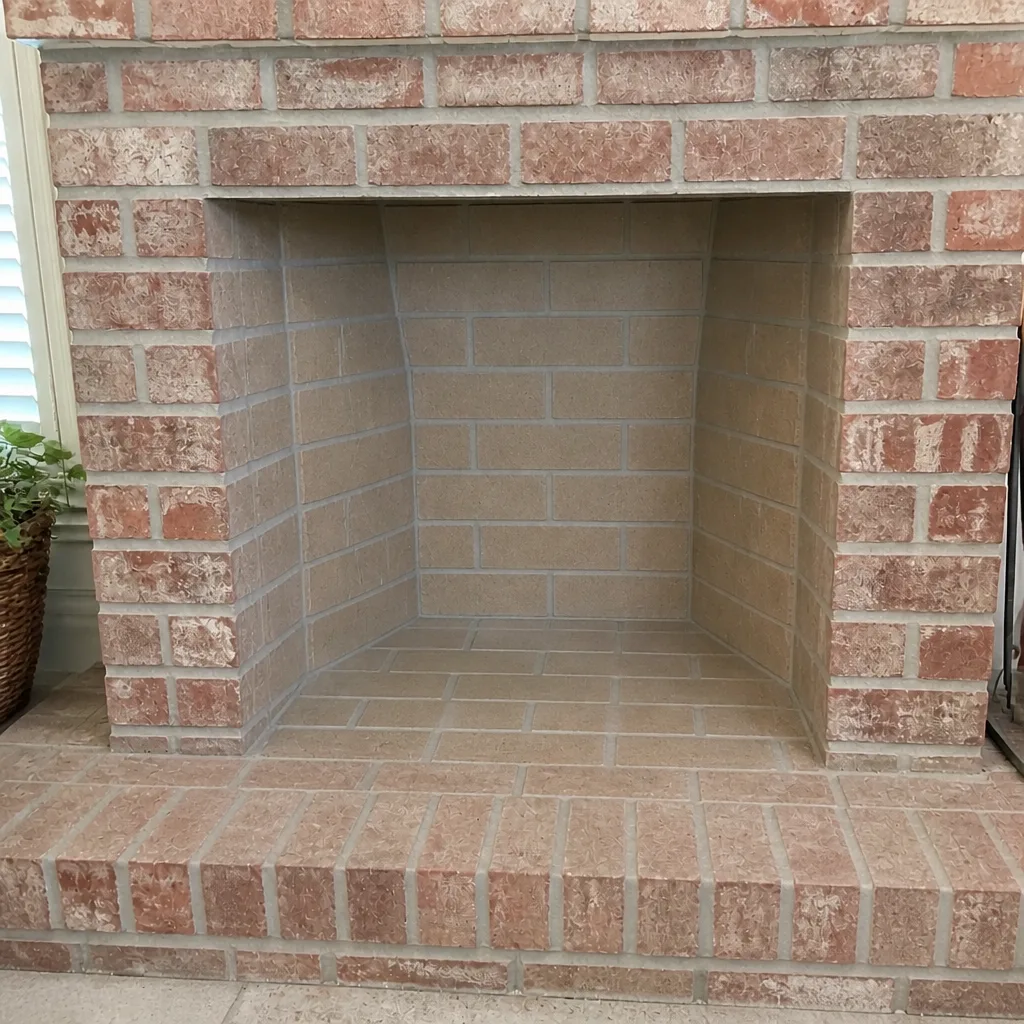
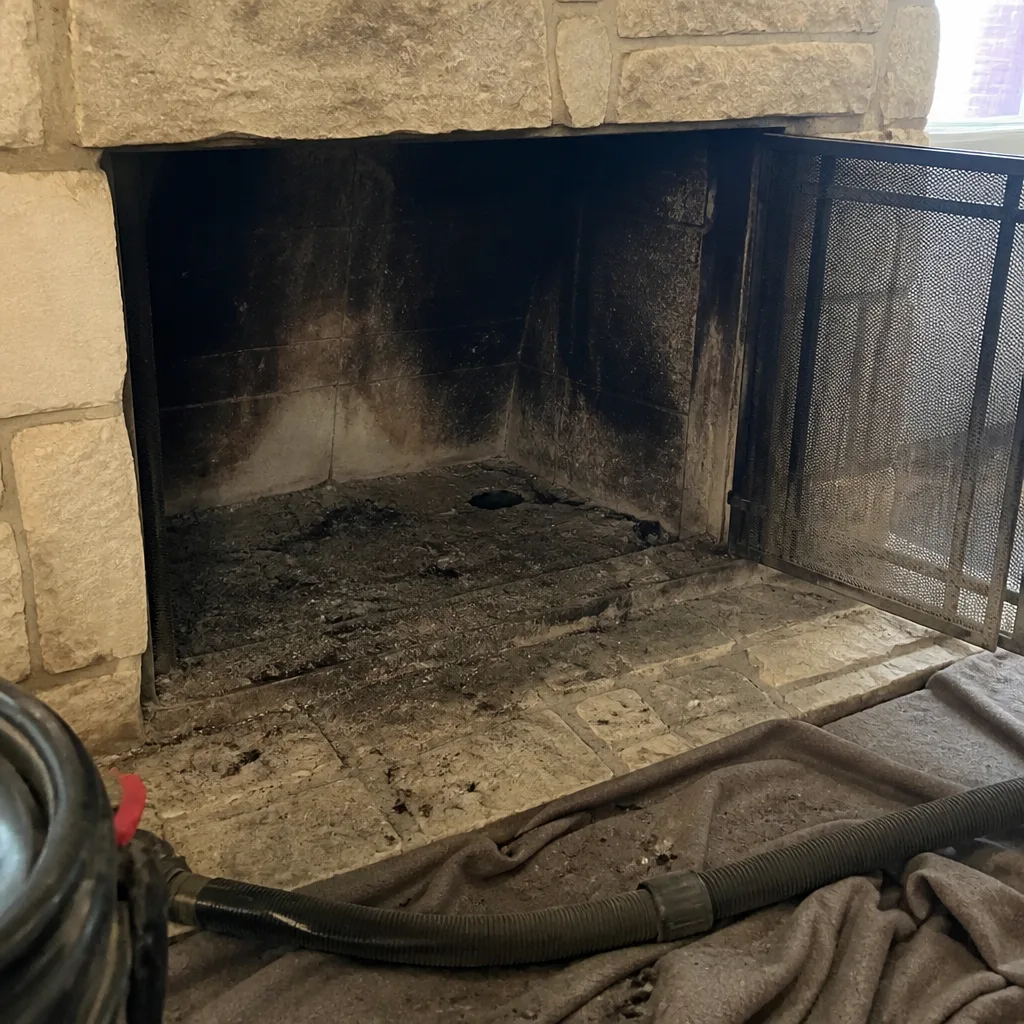
See the difference
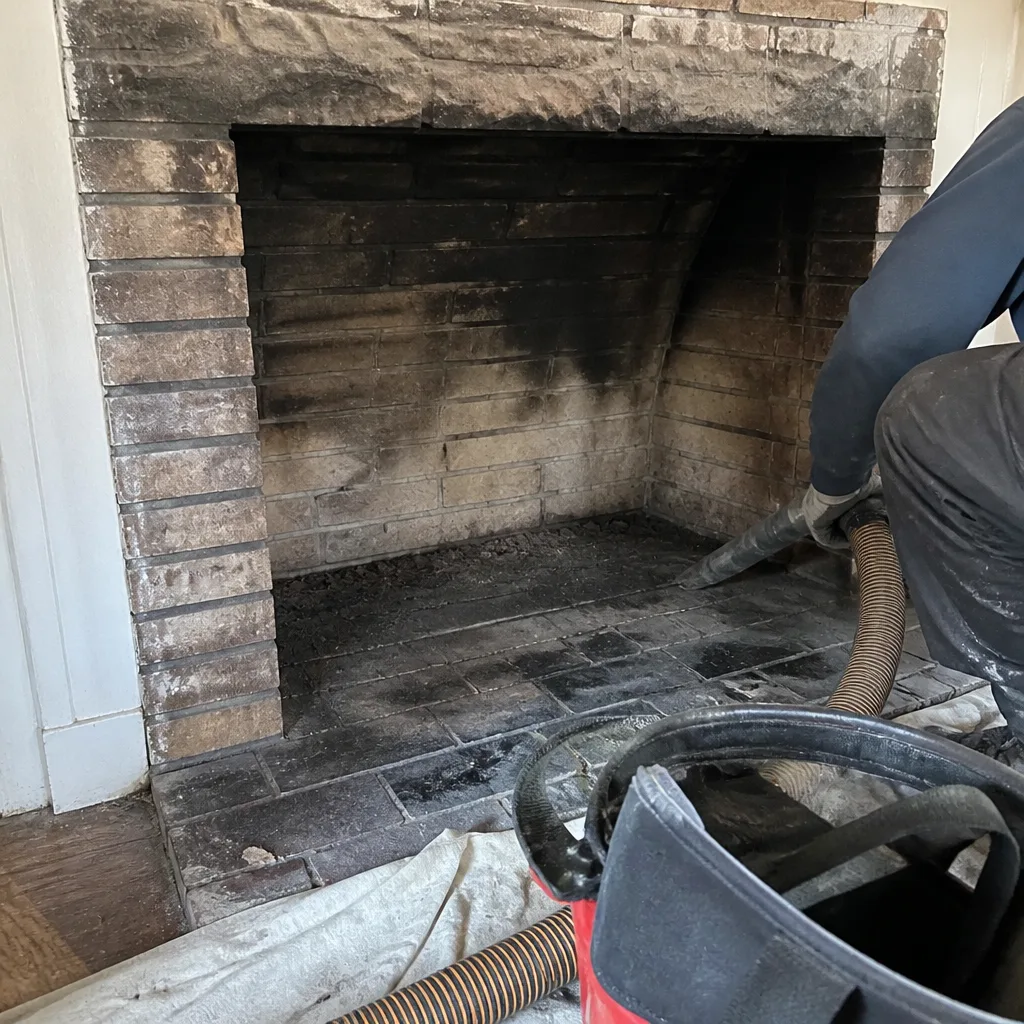 Before
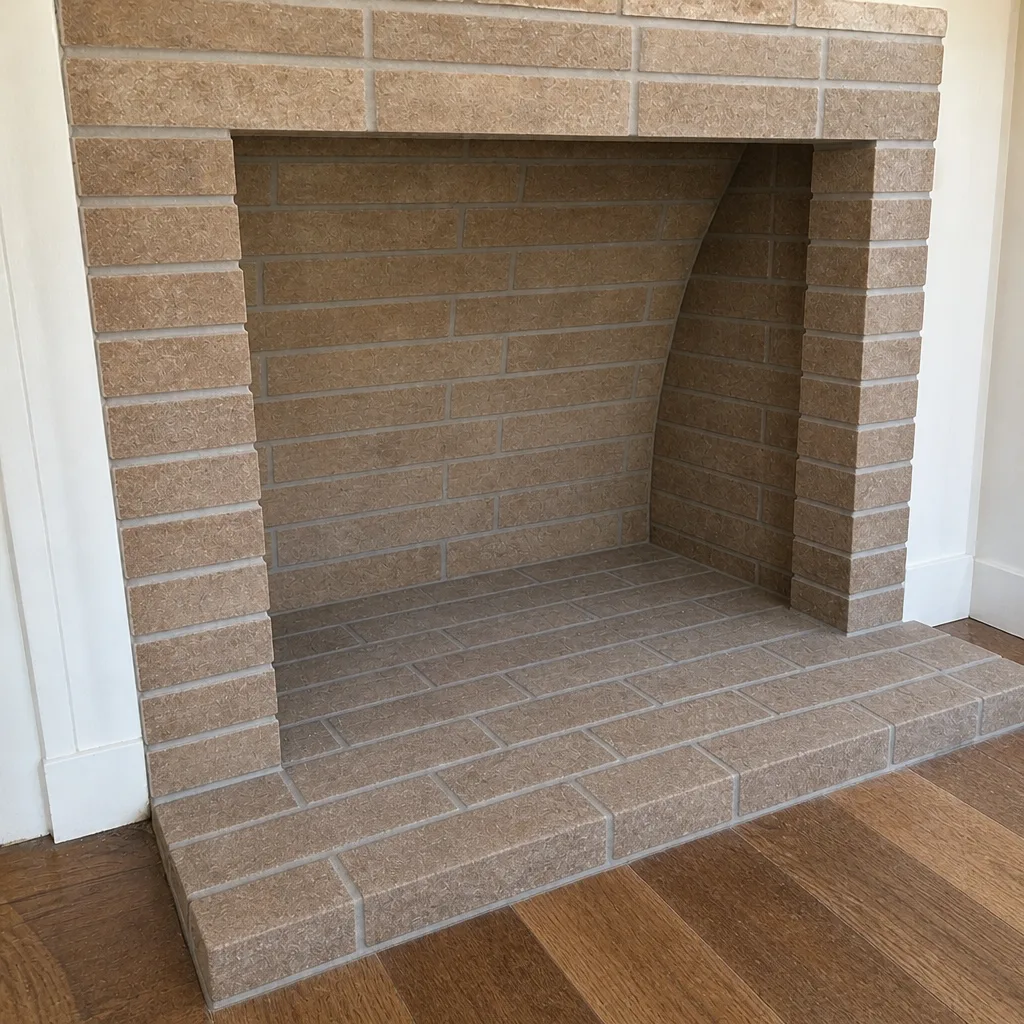 After
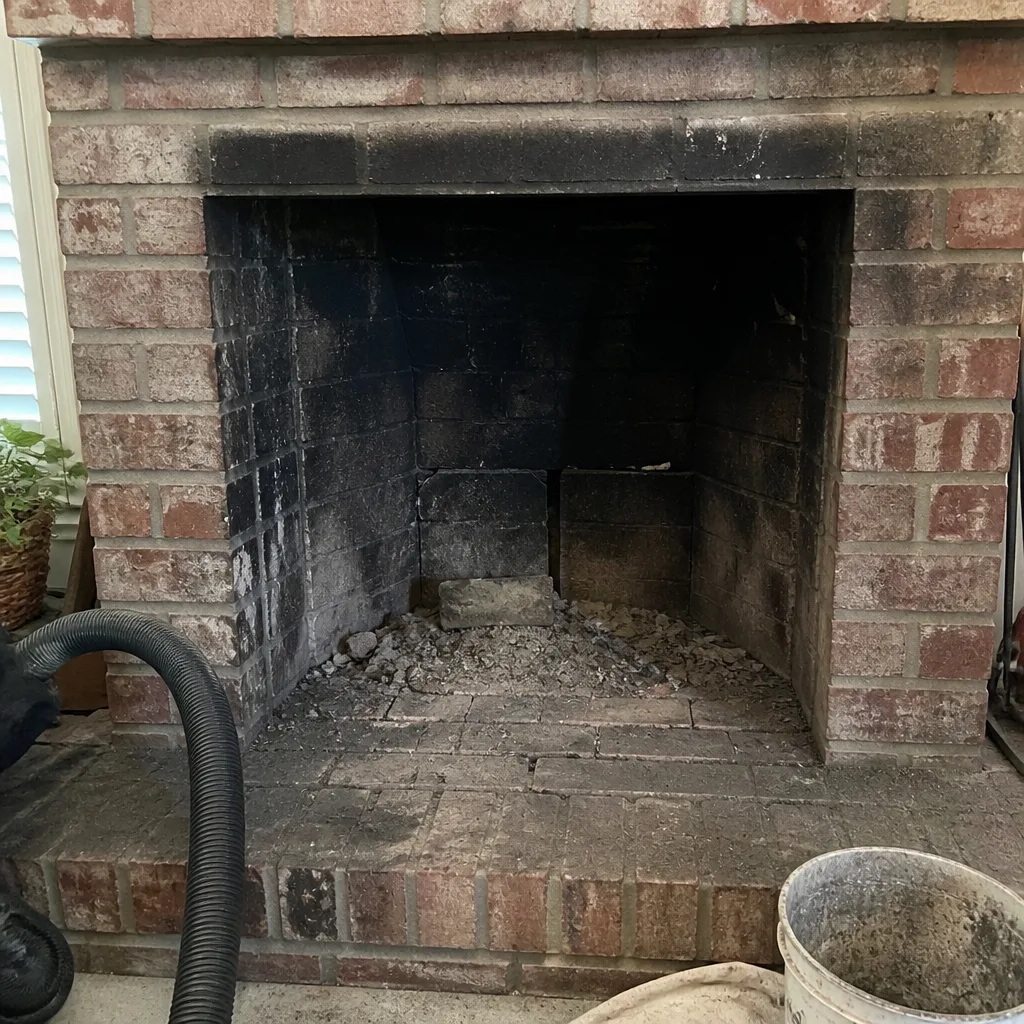 Before
 After
 Before
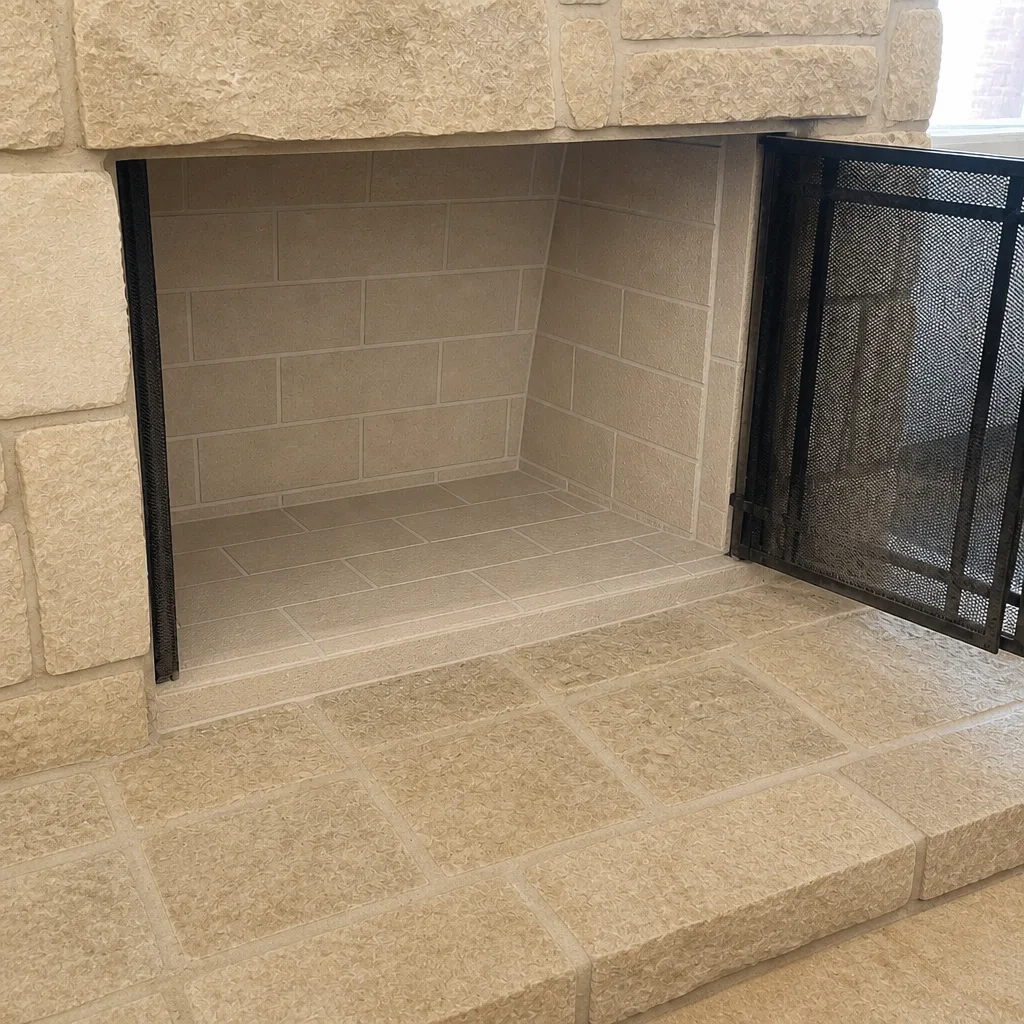 After
When to Call a Professional
Call for a professional chimney inspection when any of these apply: you’ve never had the chimney inspected (a common situation in a first home purchase in Tracy), it’s been more than a couple of seasons since a sweep, you’ve noticed smoke rollback, sour or musty odors, dark staining, crumbling mortar, or a crack you can see in the firebox or flue. Stop using the fireplace entirely and call if you’ve heard a rumble, smelled something hot, seen smoke from the masonry, or noticed new dark staining. Those aren’t “get to it eventually” signs. For gas appliances and vented inserts, call before the next heating season rather than after.
Chimney Sweep Tracy offers free estimates in Tracy and the surrounding area. Call (833) 766-1560 and we’ll help you figure out whether you need a sweep, an inspection, or a repair visit. A written report from a camera inspection is the best starting point, and every repair we do is quoted in writing before any work begins.
Frequently Asked Questions
In most Tracy homes, smoke spillage is caused by negative pressure: the house is pulling air out through exhaust fans, a kitchen hood, or the furnace return, and the easiest place for replacement air to come in is down the chimney. Try the candle test near the open damper, and try cracking a window on the same wall as the fireplace before you light. If the fire draws better with the window cracked, pressure is the likely cause and a sweep or a chimney professional can help you confirm it. Call (833) 766-1560 if you want us to take a look.
A sour or sulfur-like smell usually means creosote has absorbed moisture and is off-gassing, and it tends to be worse in warm weather or after a wet stretch. It’s not dangerous on its own, but it’s a signal that the flue needs a proper sweep and that the chimney cap and crown should be checked for water entry. If the smell is musty rather than acrid, water is getting in somewhere and the fix is a chimney inspection rather than a sweep alone. Call (833) 766-1560 for a free estimate.
A chimney fire often runs hot and loud enough that you’d know, but not always; slow-burning chimney fires can happen without anyone noticing. The signs to watch for are a rumbling sound, a hot or metallic smell, new dark or puffy creosote visible above the damper, or new dark staining on the exterior of the masonry. If you suspect one, stop using the fireplace until a sweep has inspected the flue. A camera inspection is the only way to be sure. Call (833) 766-1560 to schedule one.
The standard rule is once a year for a chimney you use regularly, and more often if you burn a lot of fires or burn wood that isn’t fully dry. Homeowners who only burn a few fires a season can often stretch to every other year, but they should still book an inspection to catch liner and mortar issues early. In our experience, the chimneys that get into trouble in Tracy are the ones that were swept diligently for a few years and then quietly dropped off the schedule. Call (833) 766-1560 to book a sweep or inspection.
You can absolutely watch for visible signs from the ground: check the cap, look for staining on the brick, watch the mortar at the crown, and note any changes in how the fireplace behaves. What you can’t do safely is go up on the roof or see the inside of the flue at every joint. That’s what a camera inspection is for, and it’s the only accurate way to see liner condition.
It depends on the condition of the flue. HeatShield ceramic resurfacing can restore a flue that still has sound structural clay tile but has cracked joints or surface damage; it’s a cost-effective alternative to relining when the flue allows. When the liner is badly deteriorated, has offsets, or is out of compliance, a DuraFlex flexible stainless liner is the right answer, because it can handle configurations that rigid liners can’t. The honest answer is always whichever one your flue actually needs, not whichever is easier to sell. Call (833) 766-1560 for a free inspection and estimate.
The Bottom Line
Most chimney problems read like symptoms, not diagnoses. The smell, the smoke behavior, and the sound tell you which family of problem you’re dealing with, and that’s what determines whether you need a sweep, a camera inspection, or to stop using the fireplace until a professional has looked at it. Watch what you can watch from the ground, test for pressure before blaming the damper, and treat any hint of a chimney fire as a stop sign. In Tracy, the seasonal swings are hard on mortar and liners, so a yearly look at the crown and flashing is cheap insurance against a repair job. When you’re ready, call (833) 766-1560. We answer 24/7, with fast dispatch from 7am to 7pm, Sunday through Friday. Estimates are free, and we’ll tell you what we found, not what grows the invoice.
Written by the team at Chimney Sweep Tracy.